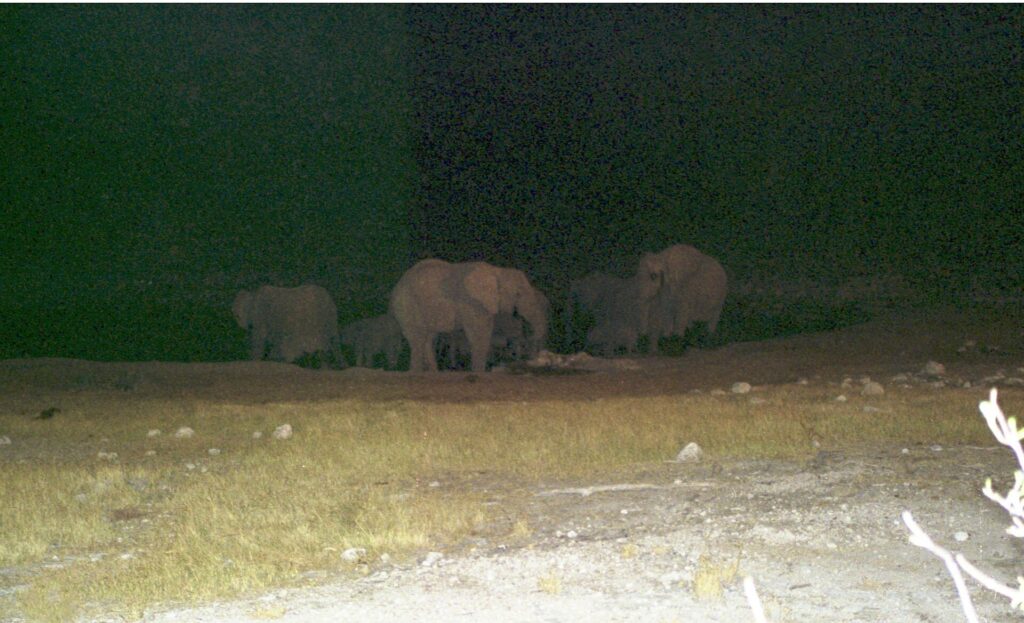
A One-Day Halali Sector Game-Drive Plan
A Halali-based day should protect observation time, not chase every road. Use one compact morning loop, a real break and a flexible afternoon choice.
Search by property, Etosha area, gate or gateway town
A Halali-based day should protect observation time, not chase every road. Use one compact morning loop, a real break and a flexible afternoon choice.
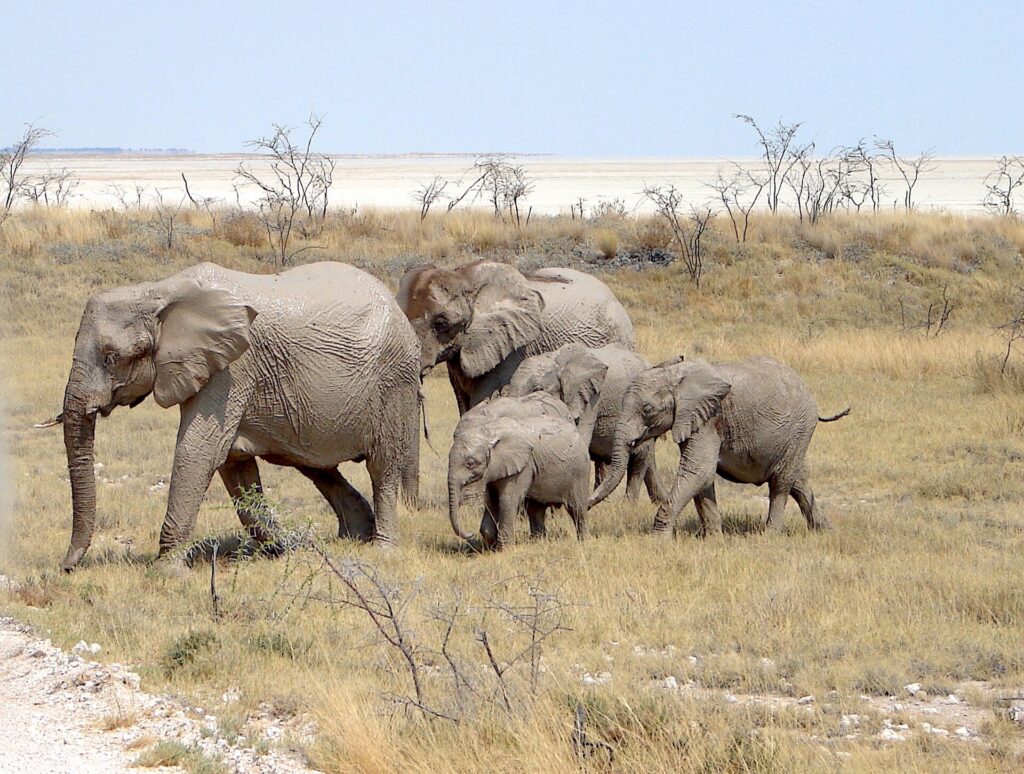
Four nights in Etosha create room for patient waterhole sessions, two park sectors and a flexible wildlife-first route without turning every day into a transfer.
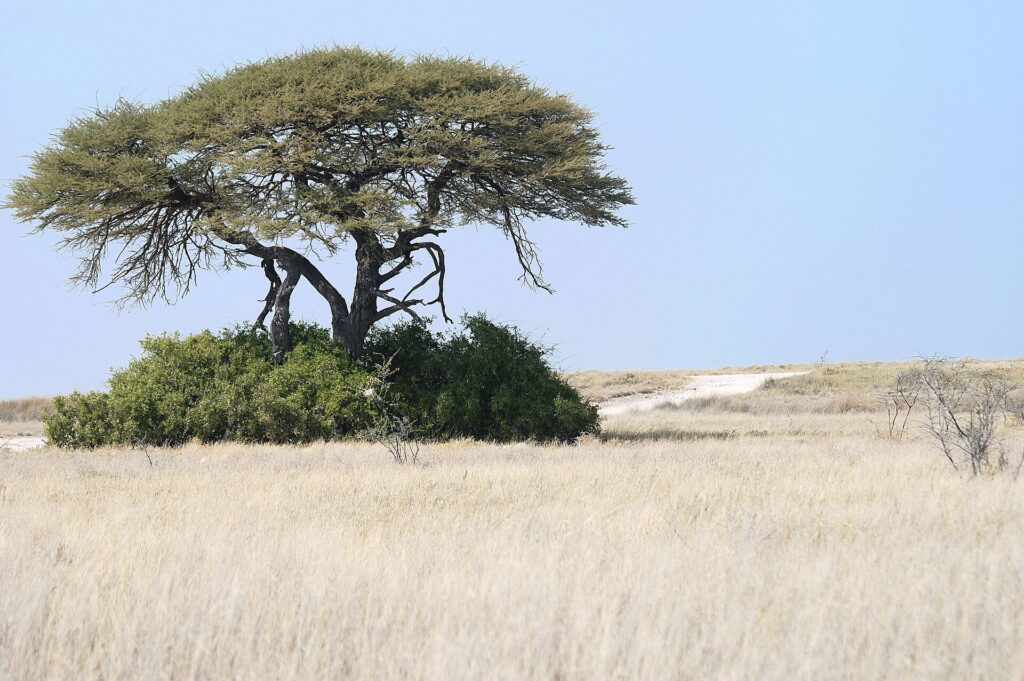
Etosha can look completely open while still hiding wildlife. Grass height, heat shimmer, light and small changes in ground level all alter visibility.

Solo travellers can experience Etosha without renting a car. The key is matching transfers, accommodation and guided drives to one workable itinerary.
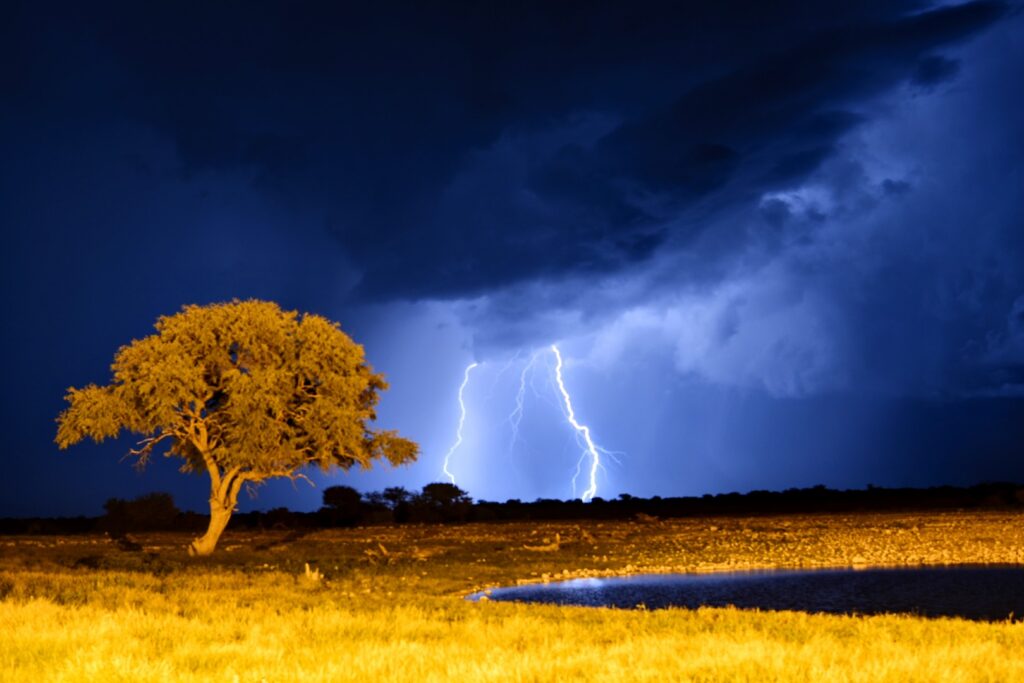
A thunderstorm can transform one Etosha sector while leaving another almost dry. Adjust roads, photography and wildlife expectations to local conditions.
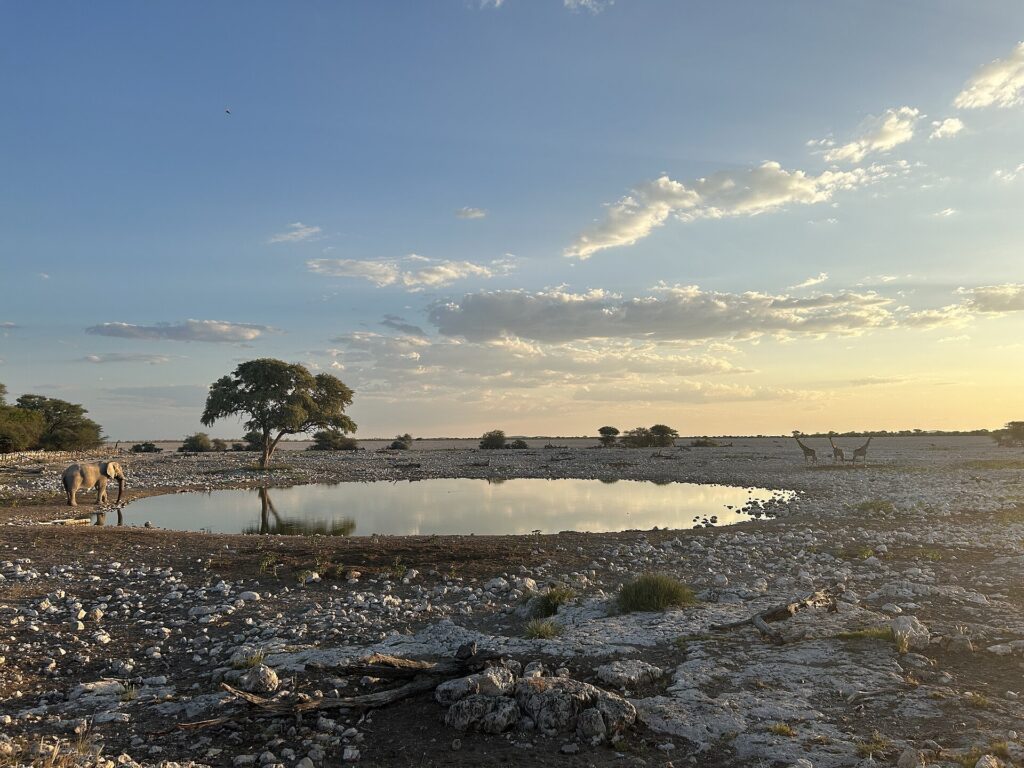
One day near Okaukuejo works best as two compact drives, not a race across Etosha. Use waterholes, open plains and a midday reset.

Evening bite prevention combines an effective repellent, loose long clothing and suitable accommodation. Use products as labelled and seek personal medical advice.
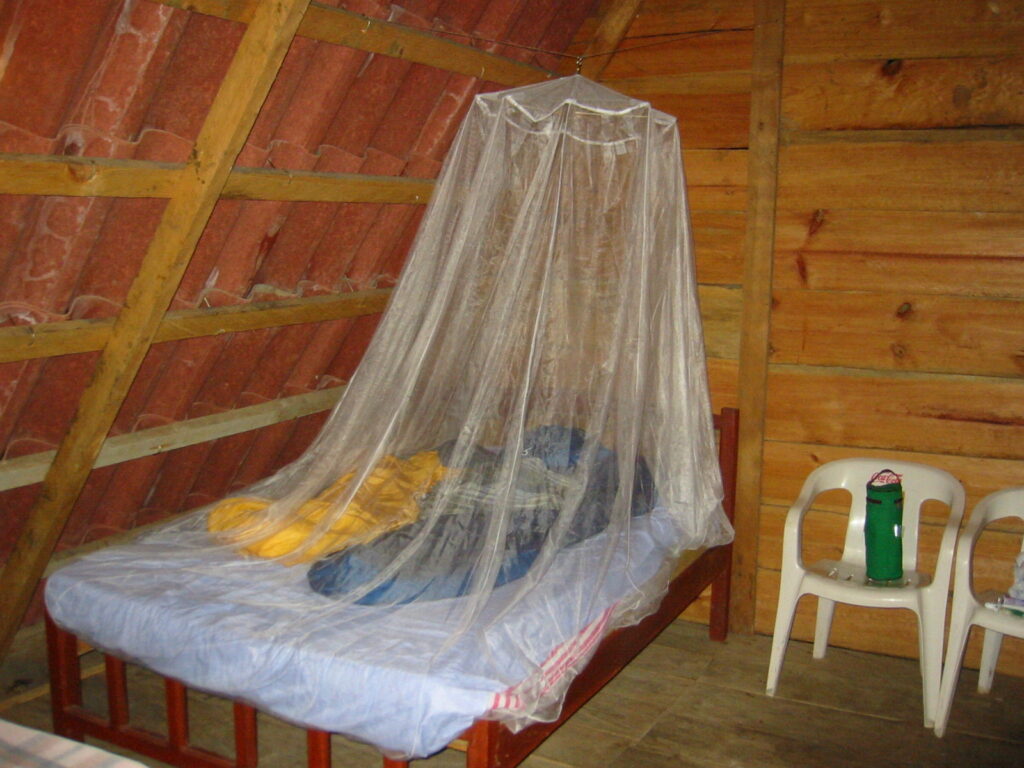
Malaria planning for Etosha is route-, season- and traveller-specific. Current health guidance and a personal clinical assessment matter more than a traveller’s anecdote.

The name on Etosha’s southern gate opens a much larger story: Indigenous knowledge, a nineteenth-century European journey and the difficult history of conservation boundaries.
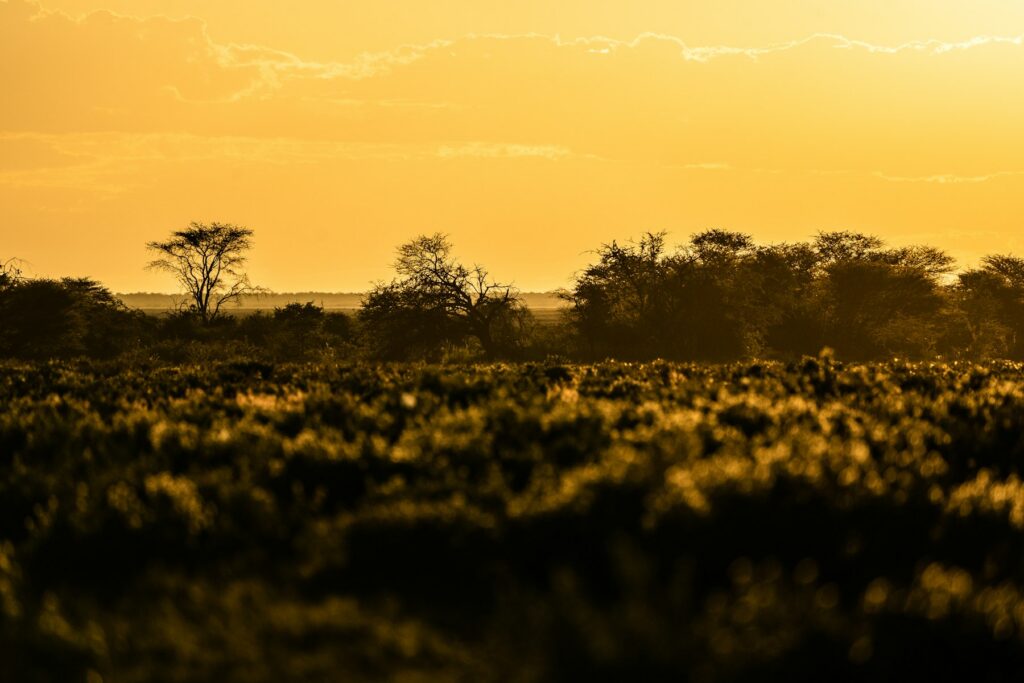
An Etosha day can move from a cold pre-dawn departure to intense sun and back to a cool evening. Plan the vehicle, clothing, food and photography for change rather than one temperature.

Try