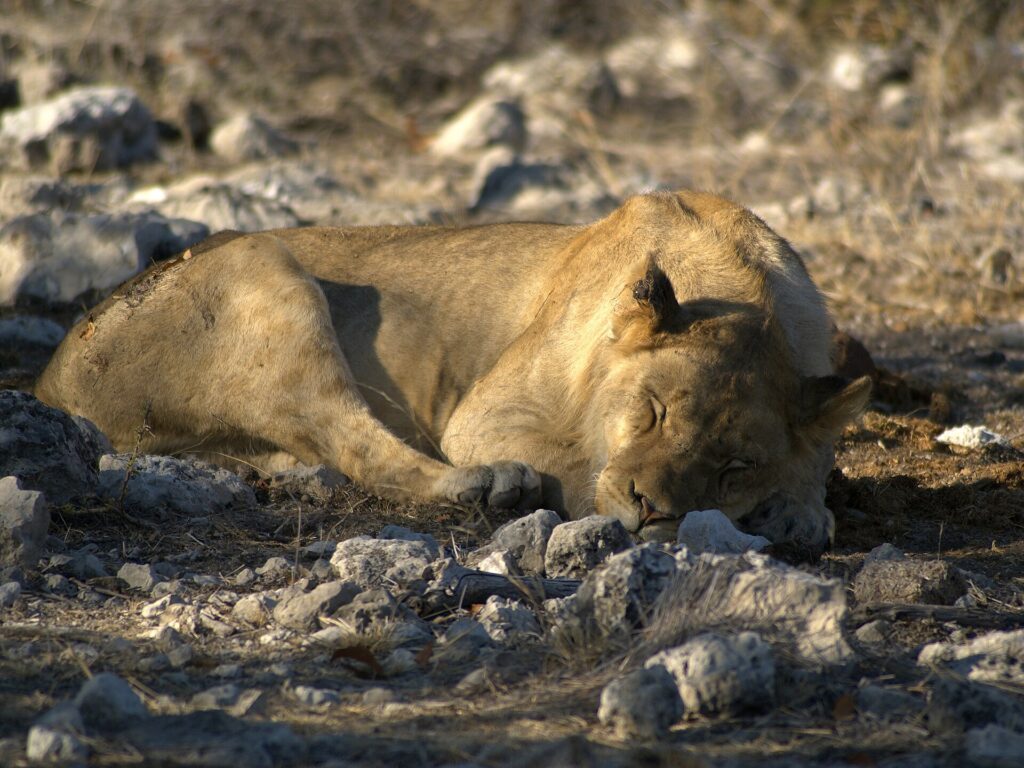
Goas Waterhole: How to Watch Herd Movement and Arrivals
Goas rewards observers who watch the approaches as carefully as the water. Herd spacing, dust and alarm behaviour can reveal the next arrival.
Search by property, Etosha area, gate or gateway town
Goas rewards observers who watch the approaches as carefully as the water. Herd spacing, dust and alarm behaviour can reveal the next arrival.

Natural springs and pumped waterholes are part of different ecological stories. Learn what the water source can—and cannot—tell a safari observer.
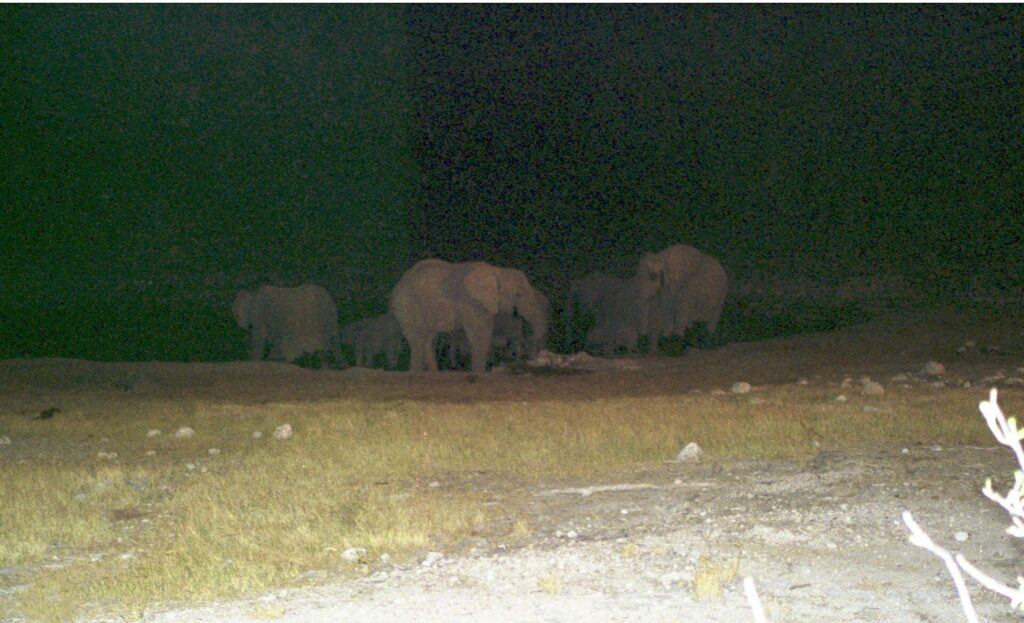
A Halali-based day should protect observation time, not chase every road. Use one compact morning loop, a real break and a flexible afternoon choice.

Rietfontein works best as one deliberate stop in a central Etosha loop, not a promise of animals. Build waiting time and a clear turnaround into the day.
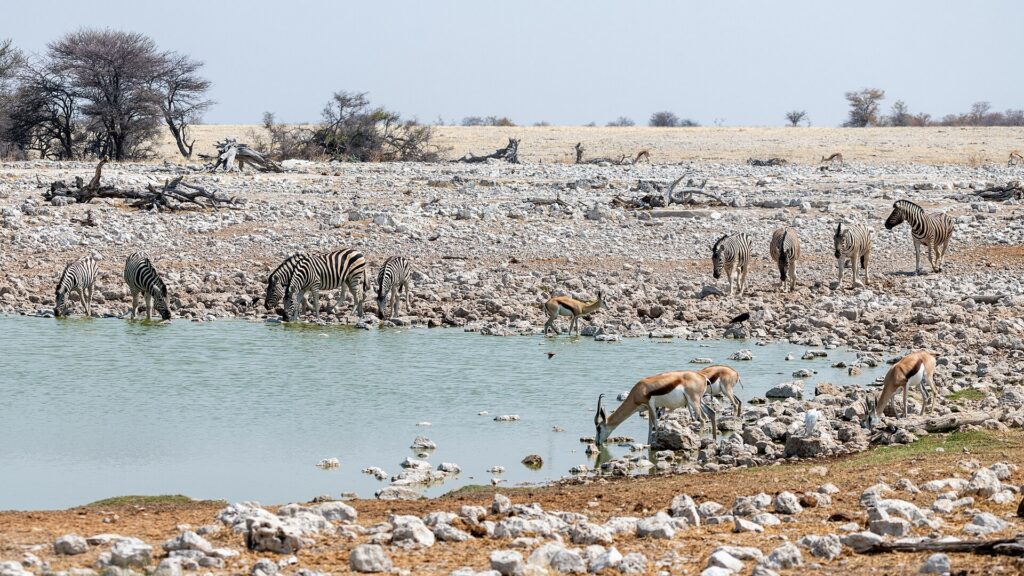
Waterhole access is negotiated moment by moment. Size matters, but so do herd numbers, thirst, caution, arrival direction and individual behaviour.

Sandgrouse may arrive at water in fast, vocal flocks. Learn what to watch, why timing varies and how males transport water to their chicks.

Okondeka combines an Etosha waterhole with broad northern plains. Plan the drive from Okaukuejo, scan patiently and avoid predator-chasing traffic.
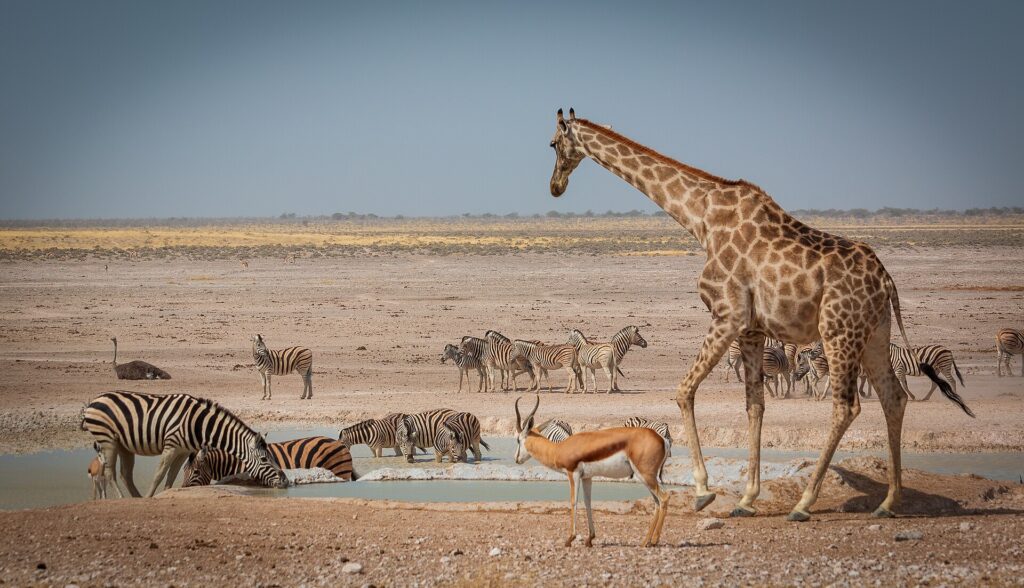
Quiet visitors notice more and add less pressure. A soft arrival, a stable vehicle and patient observation let animals decide whether and how they use the water.

There is no permanent queue at an Etosha waterhole. Animals continually balance thirst, visibility, predators and larger competitors, so the apparent order can change within minutes.

Olifantsbad is a named Etosha waterhole, not a guaranteed elephant appointment. Its strongest visits combine patient observation, safe positioning and enough time for the wider route.

Try