
Galton Gate history is more complicated than a label on Etosha’s western entrance. The gate carries the name of Francis Galton, a British explorer who travelled with Charles John Andersson to the Etosha region in 1851 and later became a leading advocate of eugenics.
For travellers, the gate is also a practical entry to the western sector, often approached through Kamanjab. Understanding both functions avoids turning a contested name into a neutral travel slogan.
Where the Galton Gate name came from
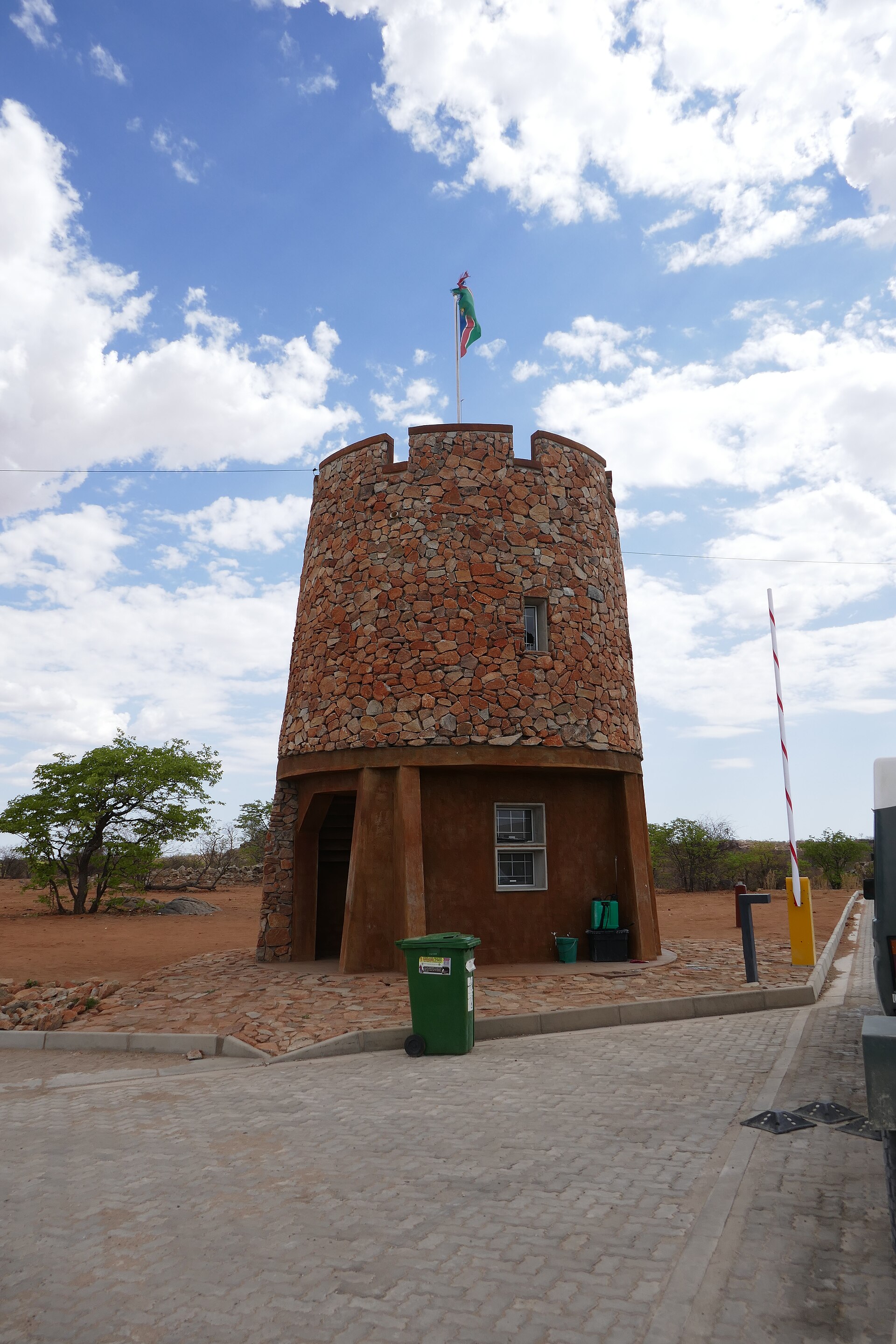
A Namibian place-name reference records that the gate was named for Francis Galton, who travelled with Andersson when Europeans documented the pan in 1851.
That European account was not the beginning of Etosha’s human history. Indigenous communities knew, named and used the landscape long before colonial mapping and protected-area administration.
The name is actively contested
Namibia’s 31 March 2026 parliamentary order paper recorded a motion supporting renaming the gate to Otjovazandu because of Galton’s role in eugenics and scientific racism. Travellers should recognise that public names can change and that debate is part of present-day history.
Use the current official gate name in bookings and navigation, but do not assume it is culturally uncontested or permanent. Check current park information before travel.
How the western entrance fits Etosha
The gate serves routes from Kamanjab and Damaraland into western Etosha. The sector feels more remote than the busiest southern and eastern approaches, and access, accommodation and fuel planning deserve careful confirmation.
| Planning question | Why it matters |
|---|---|
| Is the gate open to the planned traveller and vehicle? | Access rules can change |
| Where is the first booked night? | Internal park distances still matter |
| When was fuel last confirmed? | Western routes have fewer easy fallbacks |
| What is the gate closing time? | Late arrival is not a safe itinerary |
Travel through history without flattening it
A gate history should include indigenous place, colonial exploration, conservation administration and present debate. It should not describe Europeans as discovering an empty landscape or treat a problematic namesake as a simple honour.
- Use contemporary official names for logistics.
- Acknowledge older and indigenous names where reliable.
- Avoid romanticising colonial hunting and exploration.
- Listen to Namibian scholarship and public debate.
Prepare the modern arrival
Carry booking proof, identification, water and current contact details. Reach the gate early enough to complete formalities and drive to the booked accommodation without pressure. Follow staff instructions if route access has changed.
Read the Galton Gate travel guide for practical planning and use the historical context here to understand why the name may appear differently in future.
Notice the landscape beyond the name
Western Etosha is not only an entrance story. Pay attention to vegetation change, road distance and the relationship between park infrastructure and neighbouring routes. Read the broader Etosha history overview and keep the Galton Gate practical guide available for current access details.
Galton Gate history: read the landscape critically
Galton Gate history is best approached through more than a name on a map. The western entrance sits within a landscape with Indigenous histories, colonial-era naming and modern conservation management. Travellers should distinguish documented facts from stories repeated without sources.
Use a three-layer reading method
- Place: note the gate’s position, surrounding habitats and relationship to western Etosha routes.
- Name: ask who applied the name, in which period and which local names or perspectives may be less visible.
- Present use: understand current access, accommodation and conservation rules without assuming they explain the past.
When researching Galton Gate history, prefer museum, archive, academic or official park sources and record publication dates. A travel blog can introduce context, but it should not flatten complex history into a single heroic narrative.
Turn the gate into a thoughtful stop
Allow time to read signs, ask respectful questions and observe how the landscape changes east of the entrance. Do not photograph staff or local residents without permission. If a source disagrees with another account of Galton Gate history, describe the uncertainty rather than selecting the most dramatic version.
The practical value of Galton Gate history is that it connects route planning with a deeper understanding of place. It also encourages travellers to use correct contemporary names and recognise that protected landscapes have human histories as well as wildlife value. Keep the visit concise if gate procedures are busy, and move reading or note-taking to a safe stopping place. A responsible account of Galton Gate history should be sourced, specific and open about whose perspective is being presented.
Galton Gate history: practical questions
Who was Francis Galton?
A British explorer and scientist who later became a major advocate of eugenics.
Is the gate being renamed?
A 2026 parliamentary motion supported Otjovazandu; travellers should check the current official status.
Does Galton Gate suit every Etosha trip?
No. It suits selected western approaches and must match current access and the booked sector.
Galton Gate history links travel logistics with colonial memory and current Namibian debate. Enter the western sector prepared, and treat the name as a question worth understanding rather than a decorative waypoint.
Galton Gate history summary: Galton Gate history becomes easier to plan when current rules, realistic distances and responsible wildlife behaviour guide each decision.