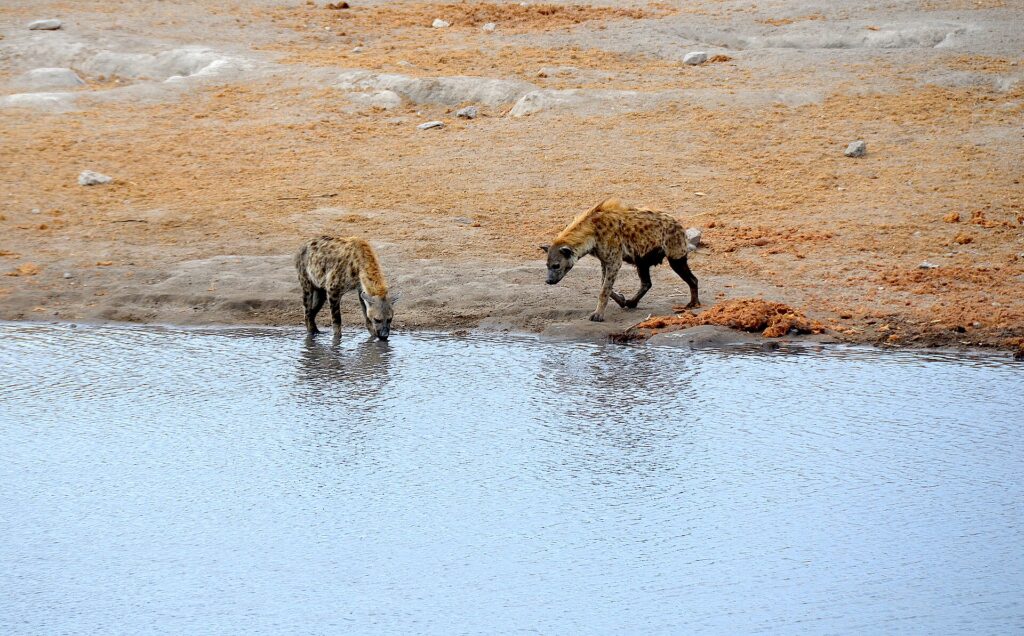
Spotted Hyenas in Etosha: Signs, Sounds and Social Behaviour
Spotted hyenas are skilled hunters with complex clan lives. Learn how calls, tracks and group behaviour can improve an Etosha sighting.
Search by property, Etosha area, gate or gateway town
Spotted hyenas are skilled hunters with complex clan lives. Learn how calls, tracks and group behaviour can improve an Etosha sighting.
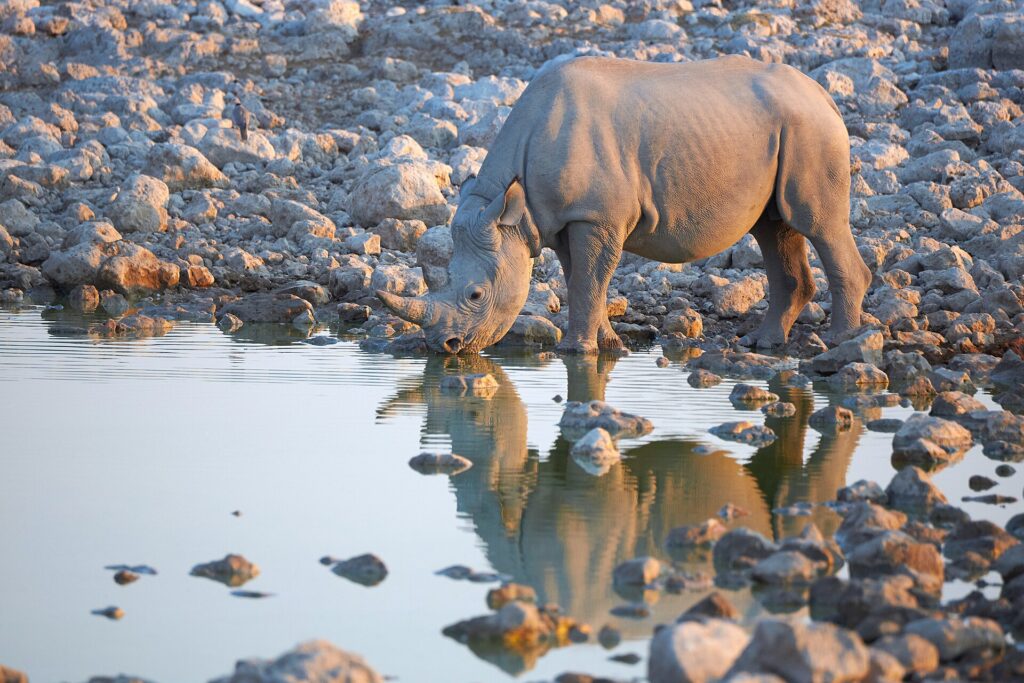
Floodlit waterholes can reveal black rhinos after dark. Prepare a quiet low-light setup and let the animal’s space matter more than the photograph.
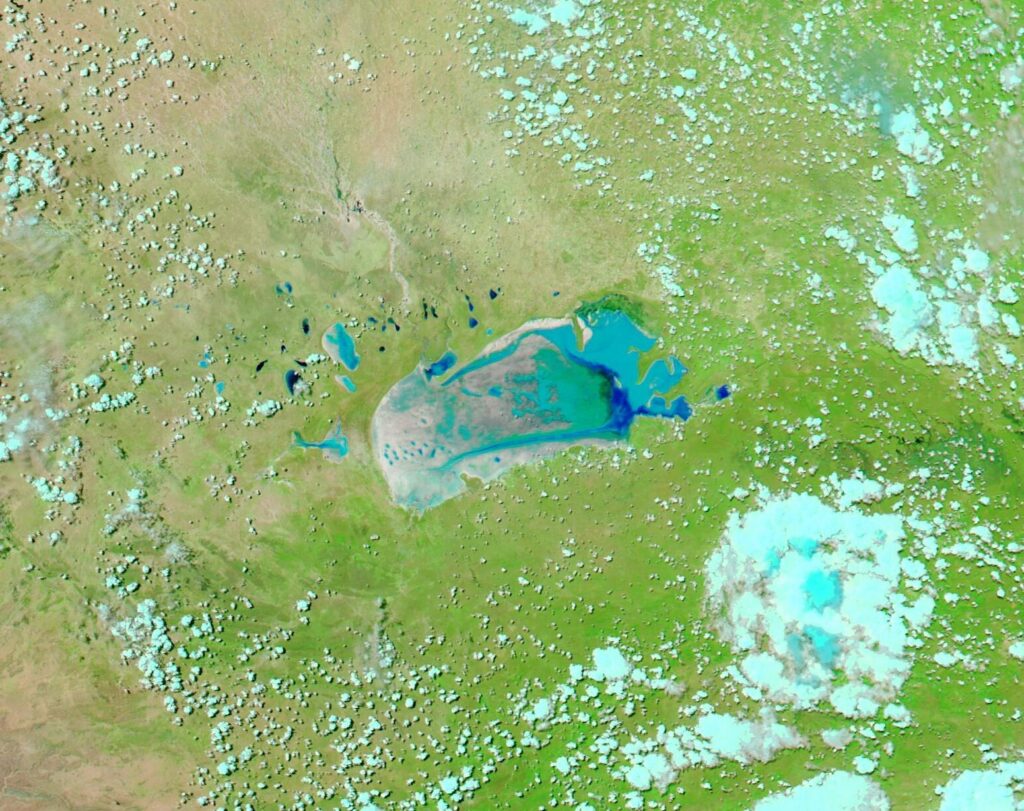
Rain can turn dry-looking depressions into temporary wetlands. These short-lived waters reshape birdlife, grazing and wildlife movement around Etosha.
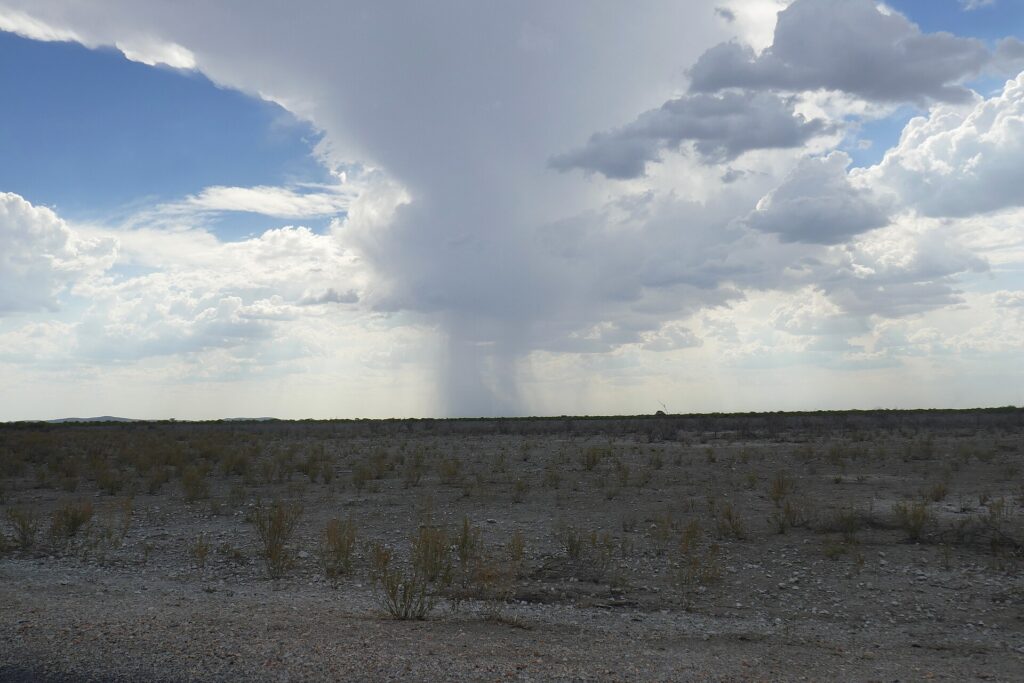
Clouds soften harsh contrast and can extend useful shooting hours. Adjust shutter speed, white balance and composition without treating grey skies as failure.
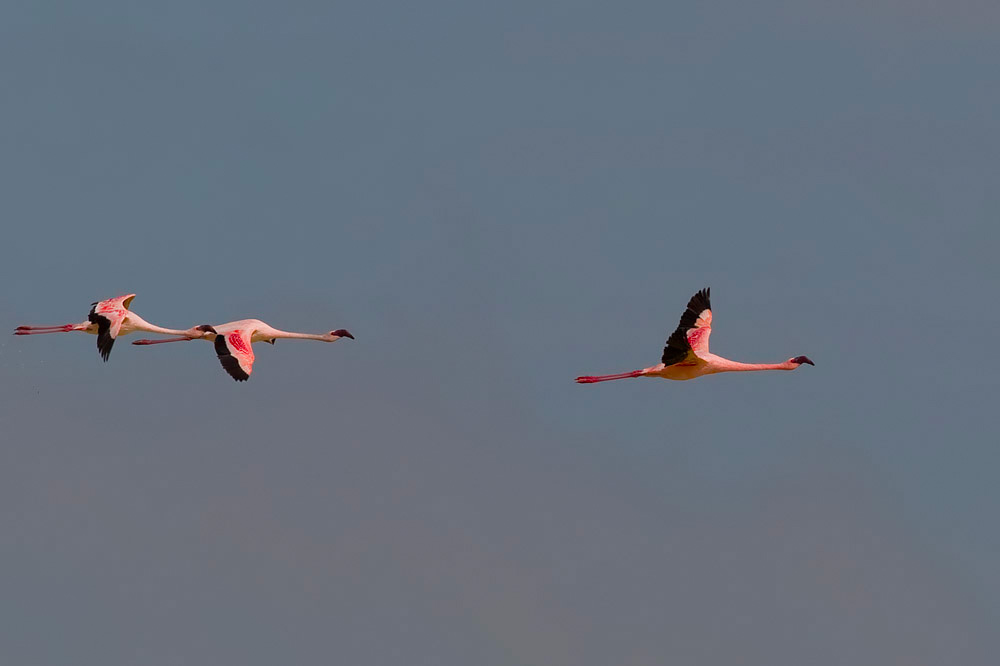
Flamingos may use the Etosha Pan after suitable rains, but water and breeding conditions vary. Plan for a wetland system, not a guaranteed spectacle.
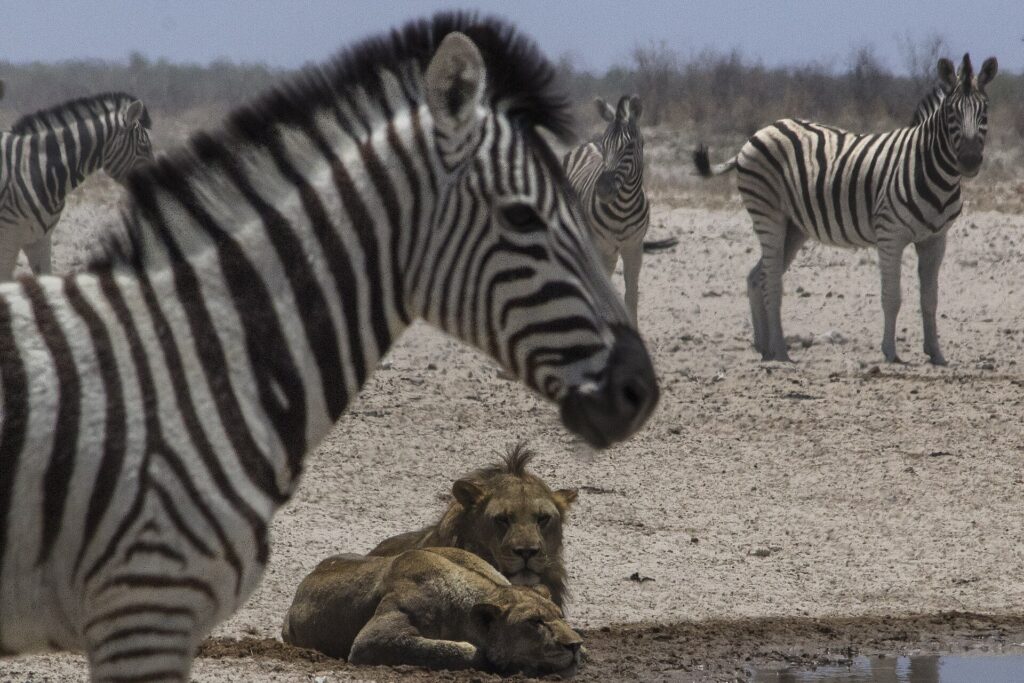
Open plains reveal attention, spacing and avoidance long before a chase. Learn to describe predator–prey behaviour without overstating a single scene.

Sandgrouse may arrive at water in fast, vocal flocks. Learn what to watch, why timing varies and how males transport water to their chicks.
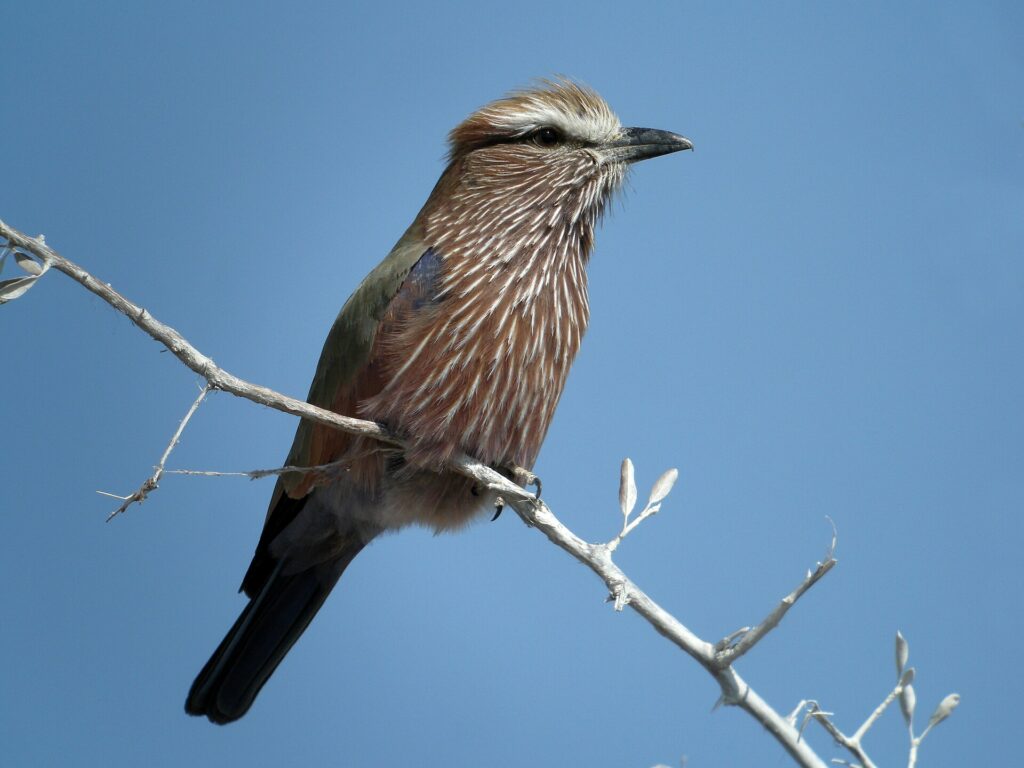
The right birding guide matches your pace and practises low-disturbance fieldcraft. Ask these questions before booking an Etosha birdwatching guide.
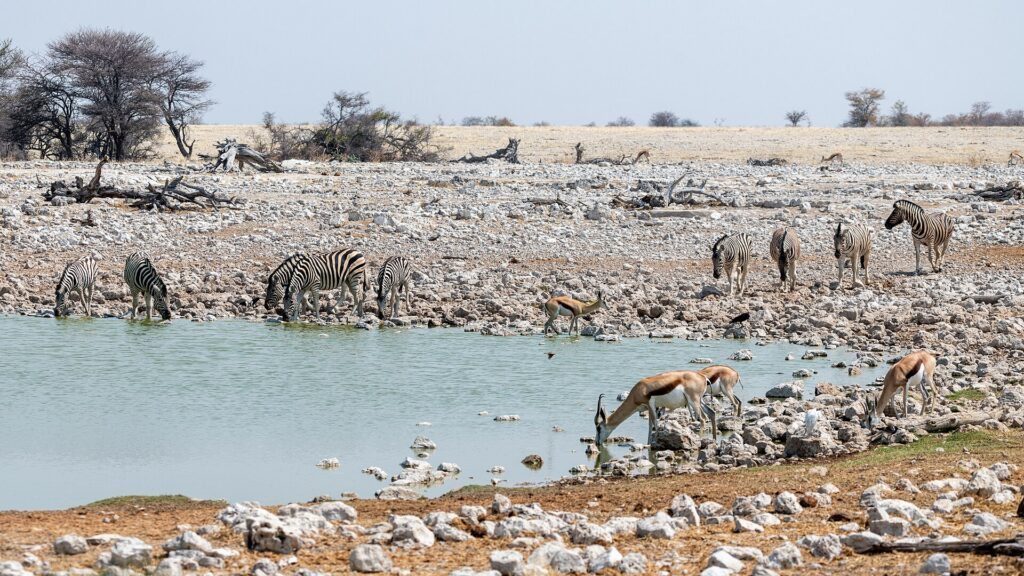
Waterhole access is negotiated moment by moment. Size matters, but so do herd numbers, thirst, caution, arrival direction and individual behaviour.
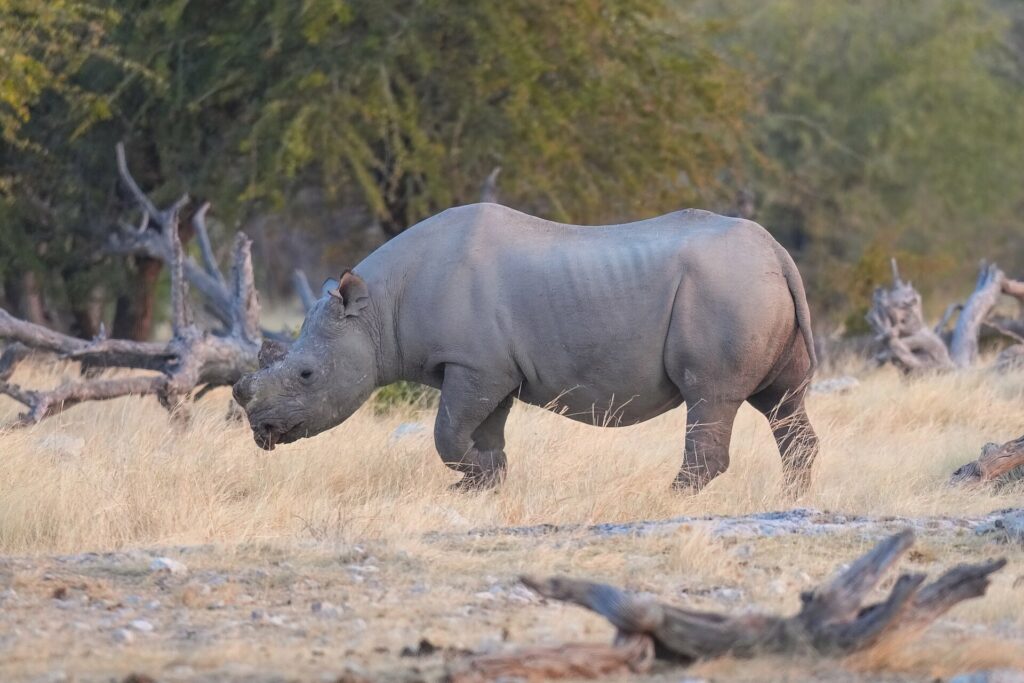
A beautiful rhino image does not need a precise live location. Remove geotags, delay posting and keep ranger or security details out of public captions.

Try