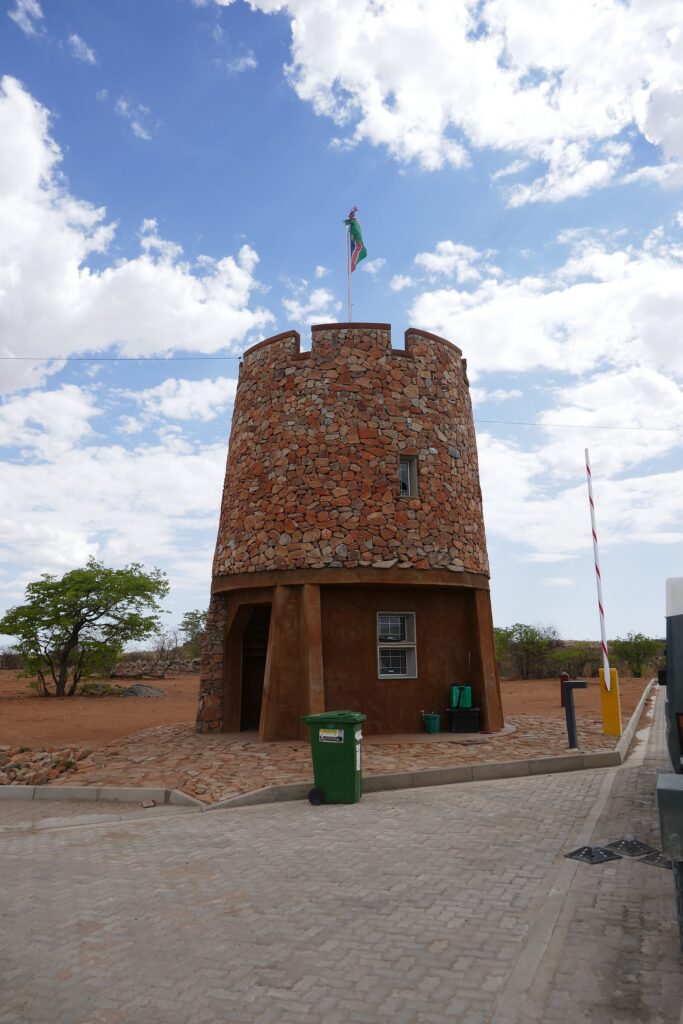
The History Behind Galton Gate
Galton Gate opens Etosha’s western sector, but its name carries a contested colonial history. Understand the route and the debate around public memory.
Search by property, Etosha area, gate or gateway town
Galton Gate opens Etosha’s western sector, but its name carries a contested colonial history. Understand the route and the debate around public memory.
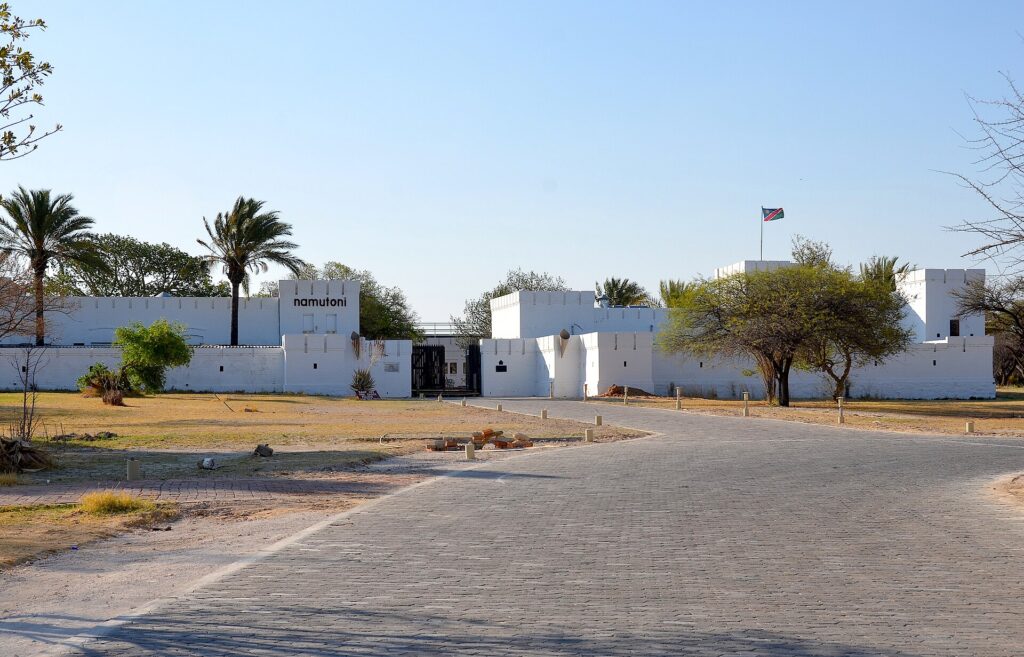
Von Lindequist Gate carries a colonial-era name. Understand the 1907 proclamation, the wider history it represents and how to visit thoughtfully.

The name on Etosha’s southern gate opens a much larger story: Indigenous knowledge, a nineteenth-century European journey and the difficult history of conservation boundaries.

Etosha began as a much larger colonial-era game reserve. Its present shape reflects successive conservation, veterinary and apartheid-era political decisions—not one unchanged boundary.
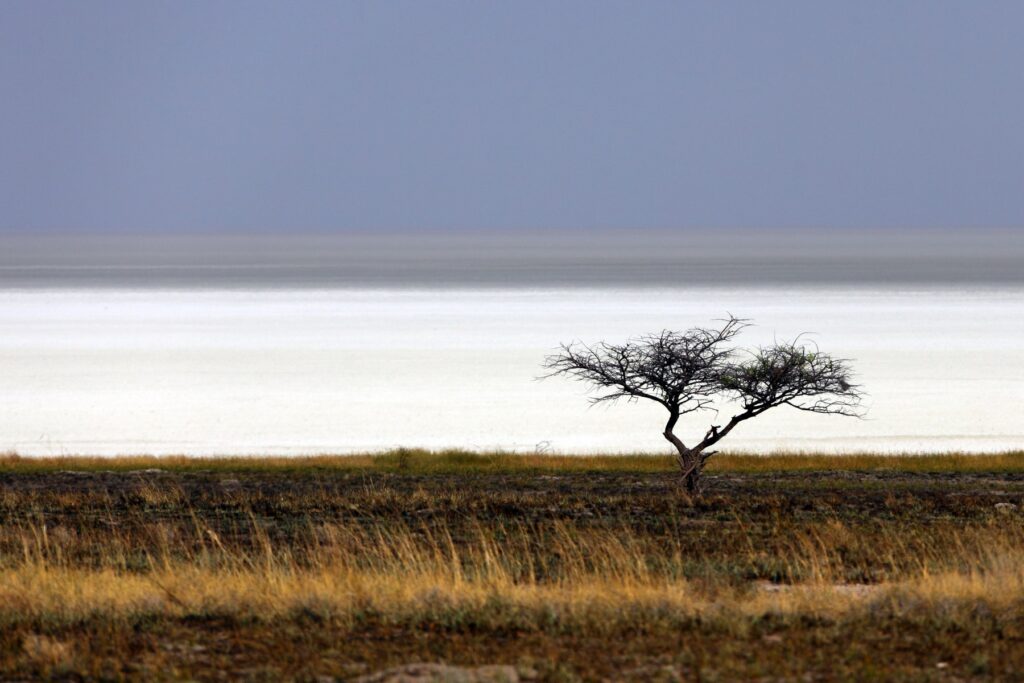
Etosha’s pale ground is more than a backdrop. Learn how calcrete, saline clay, dust, water and vegetation create the park’s distinctive landscapes—and how to observe them without leaving the road.
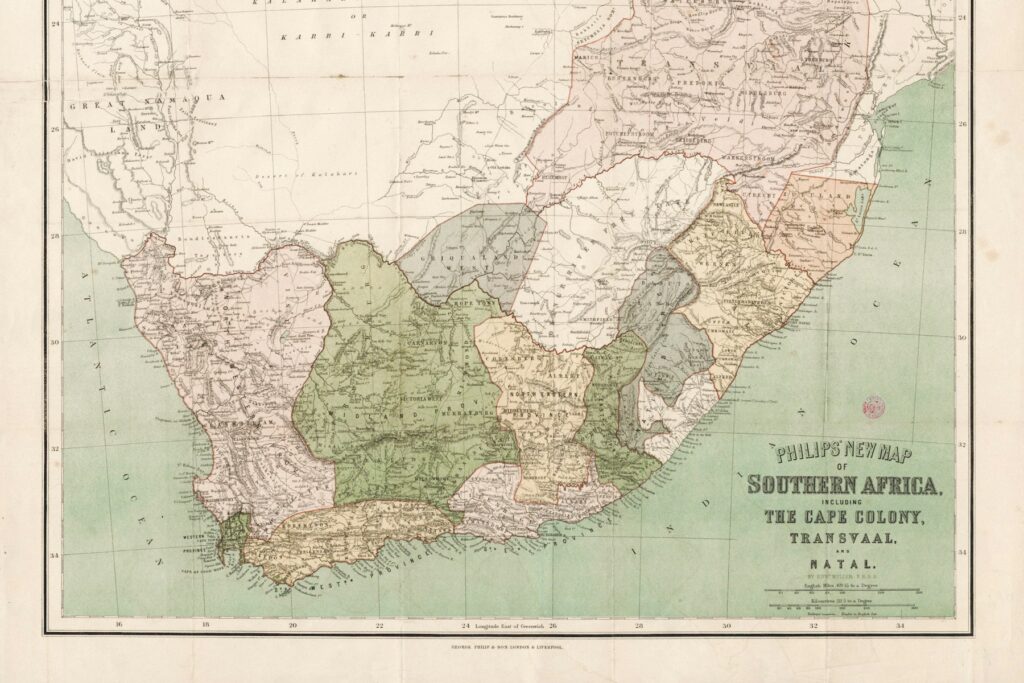
The story of the Etosha game reserve 1907 proclamation begins with a wildlife crisis, but it cannot be reduced to
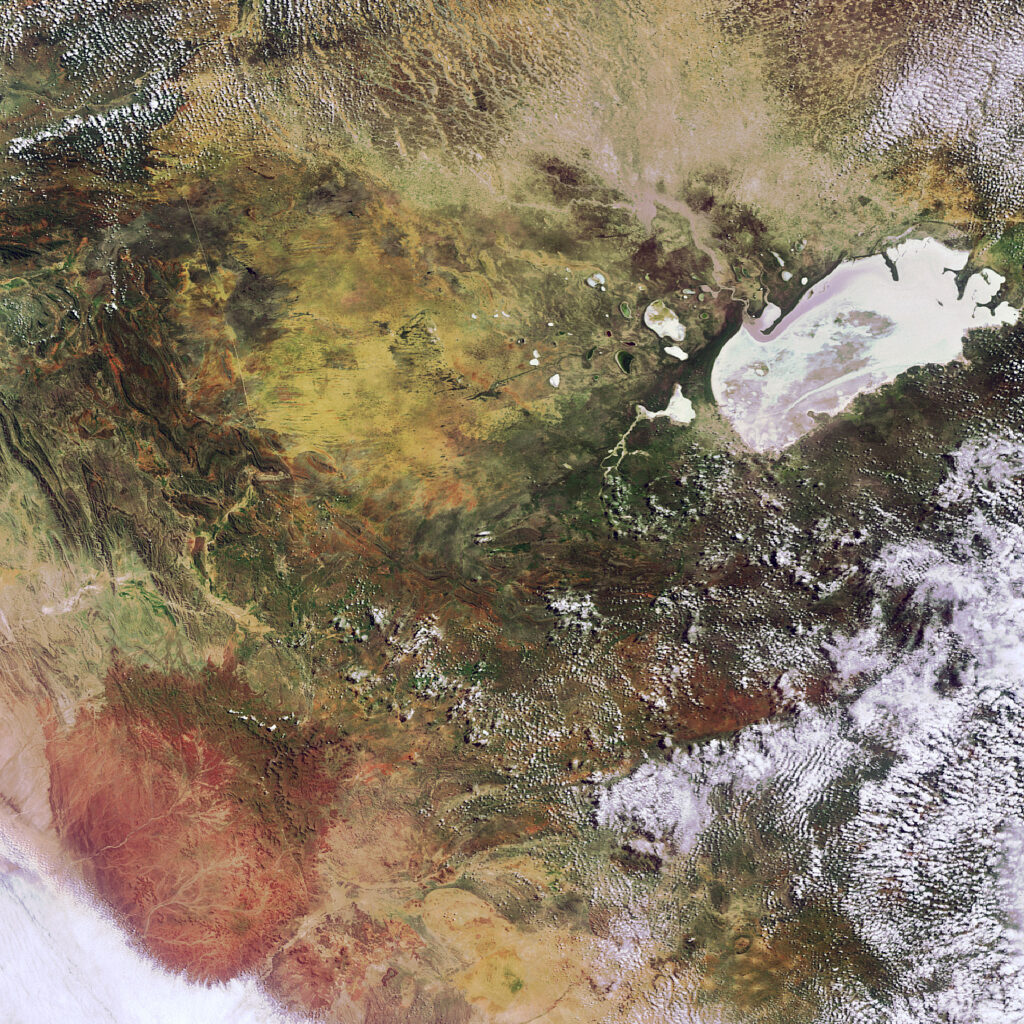
Francis Galton Namibia journey accounts are often mentioned alongside the early European mapping of northern Namibia, but they require careful
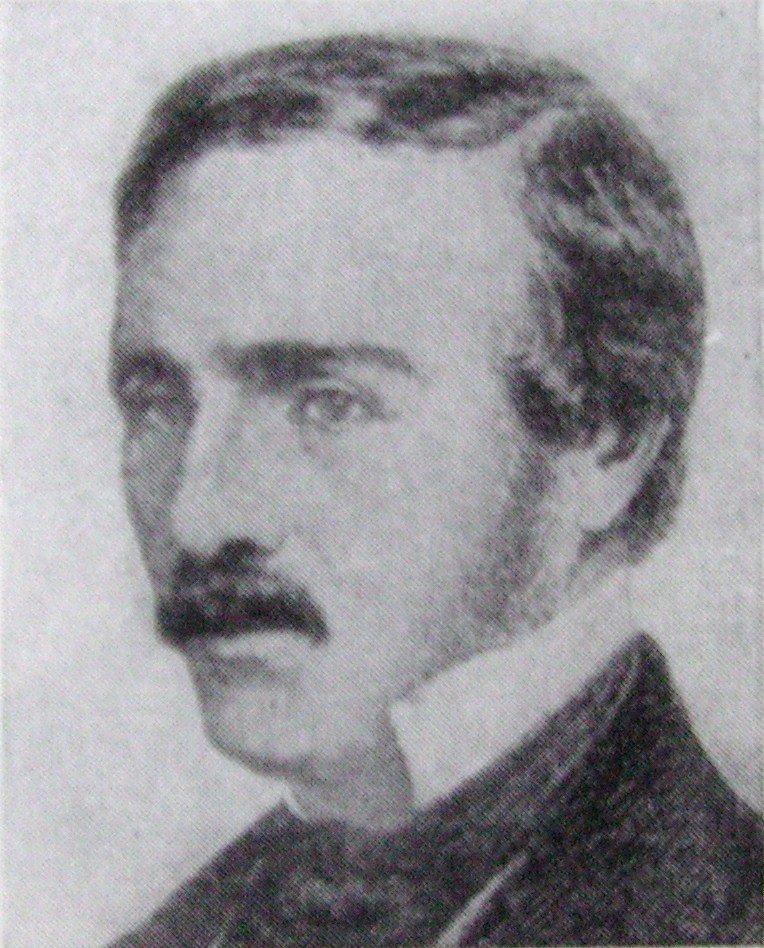
Charles John Andersson is often named in European accounts of nineteenth-century travel through what is now Namibia, including the Etosha
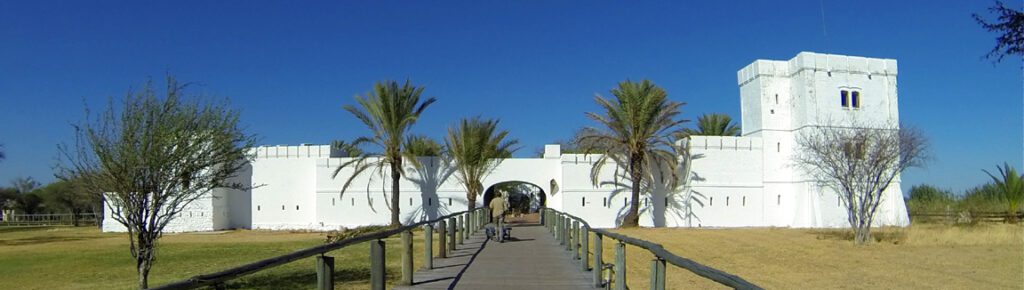
Namutoni Fort, situated in the eastern region of Etosha National Park, is one of Namibia’s most historically significant landmarks. From
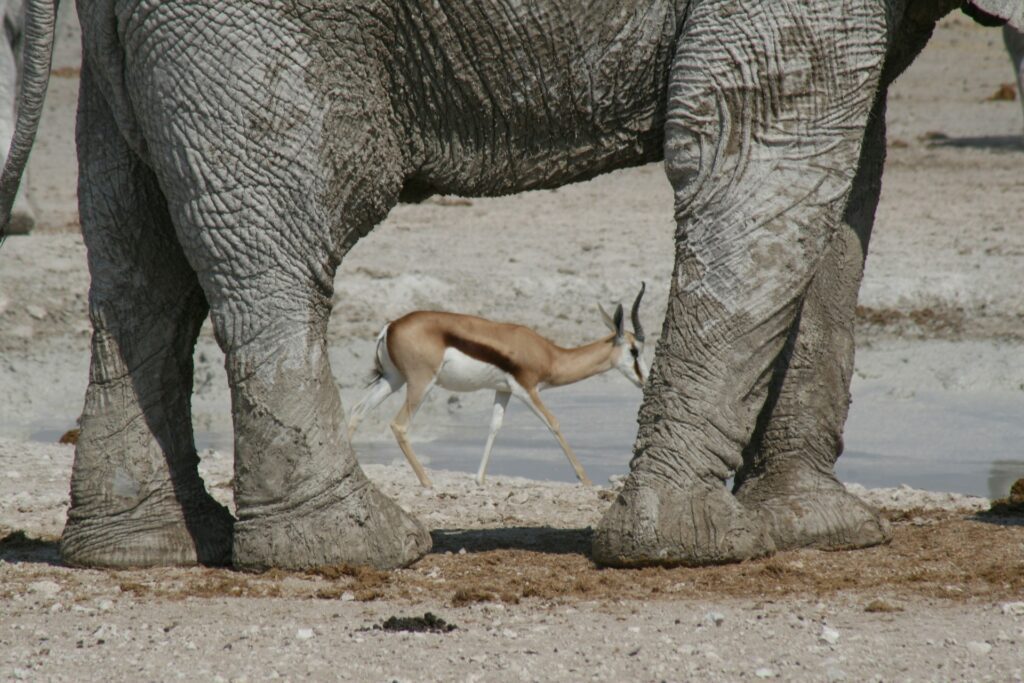
Etosha Salt Pan is the pale, open heart of Etosha National Park. From a viewpoint it can seem almost empty,

Try