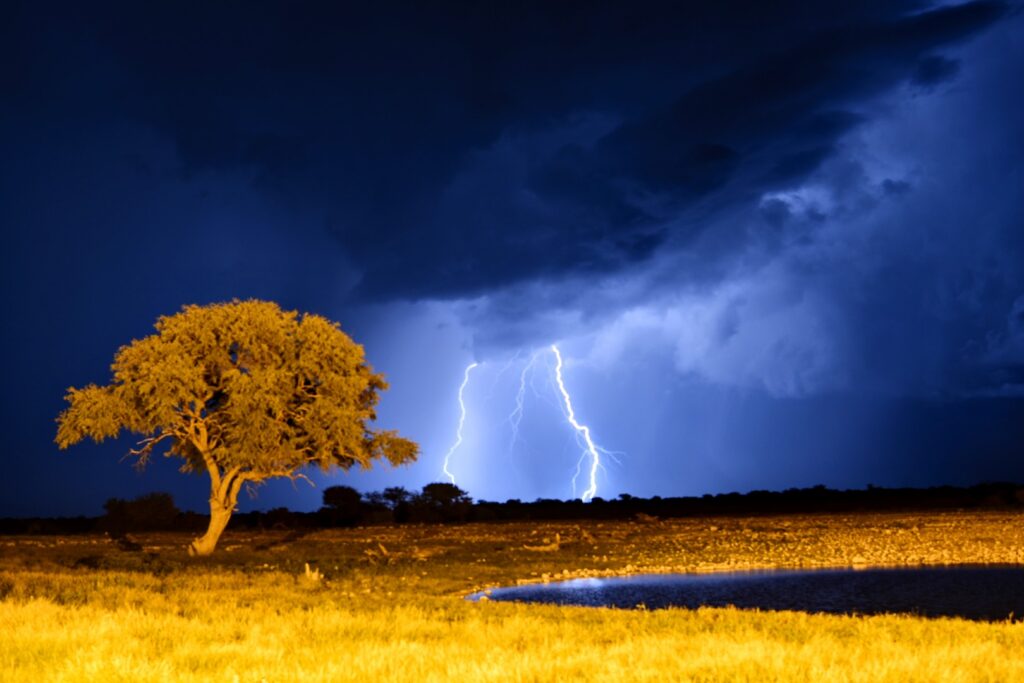
Etosha After a Thunderstorm: Roads, Light and Wildlife Behaviour
A thunderstorm can transform one Etosha sector while leaving another almost dry. Adjust roads, photography and wildlife expectations to local conditions.
Search by property, Etosha area, gate or gateway town
A thunderstorm can transform one Etosha sector while leaving another almost dry. Adjust roads, photography and wildlife expectations to local conditions.

Solo travellers can experience Etosha without renting a car. The key is matching transfers, accommodation and guided drives to one workable itinerary.
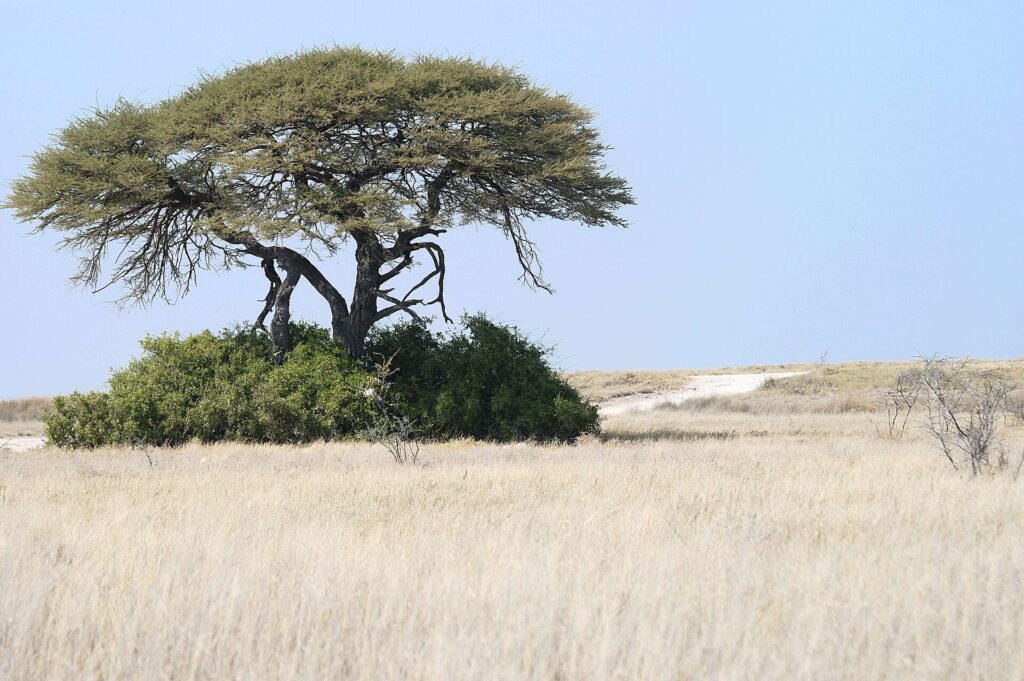
Etosha can look completely open while still hiding wildlife. Grass height, heat shimmer, light and small changes in ground level all alter visibility.
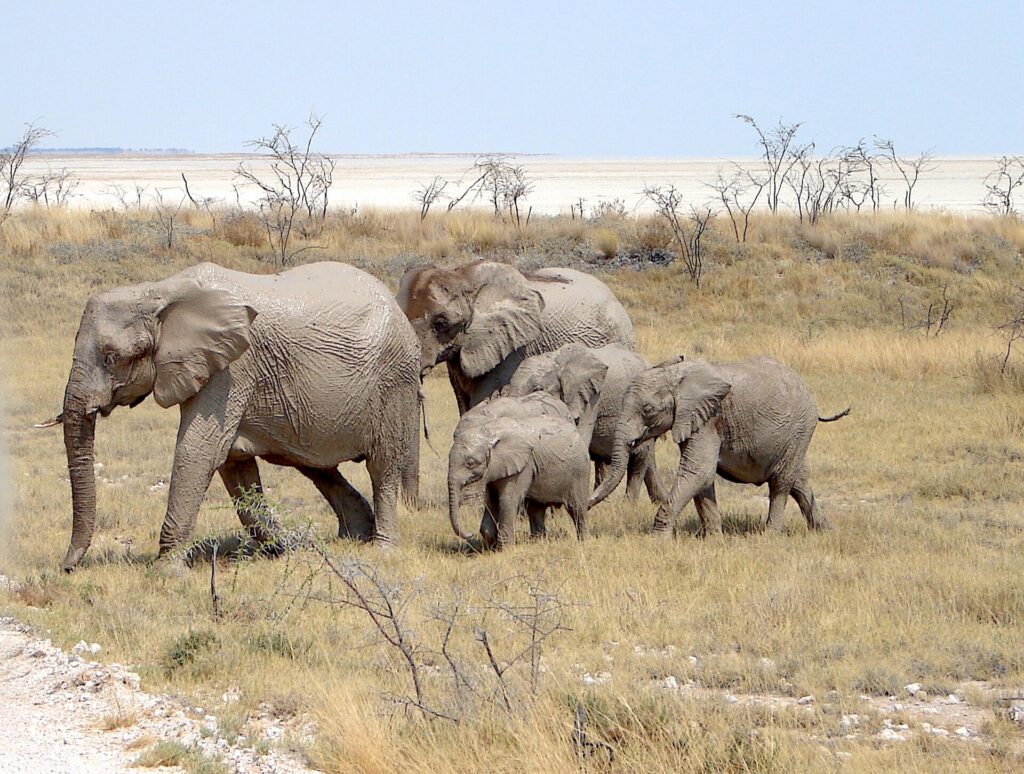
Four nights in Etosha create room for patient waterhole sessions, two park sectors and a flexible wildlife-first route without turning every day into a transfer.
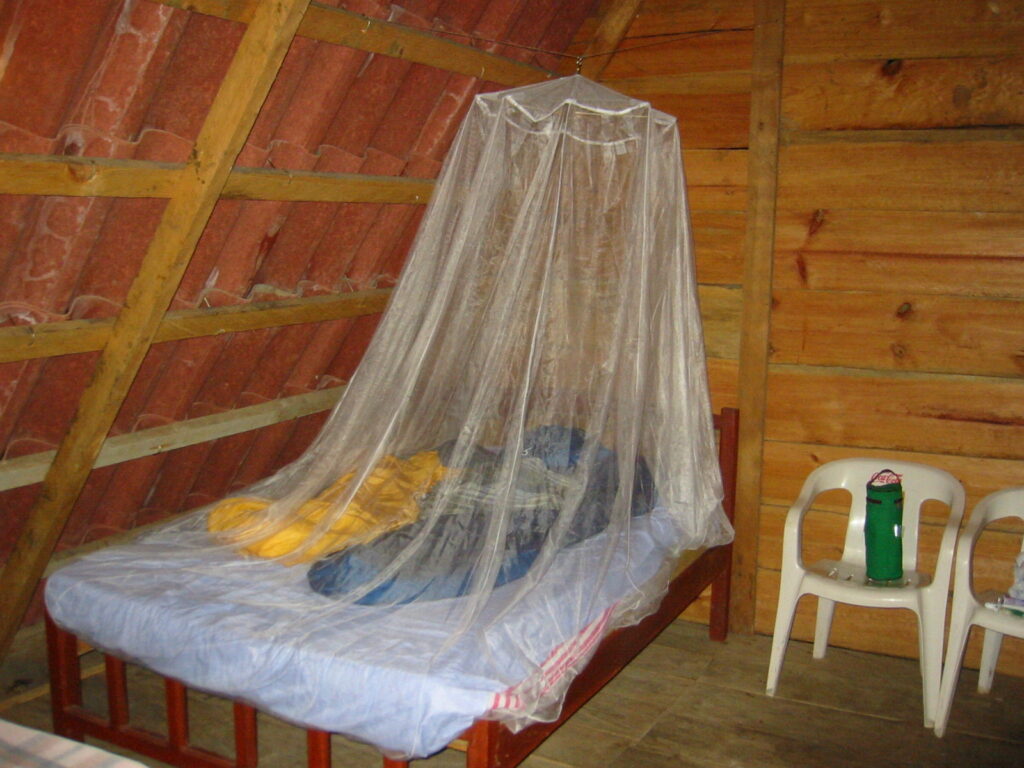
Malaria planning for Etosha is route-, season- and traveller-specific. Current health guidance and a personal clinical assessment matter more than a traveller’s anecdote.

The name on Etosha’s southern gate opens a much larger story: Indigenous knowledge, a nineteenth-century European journey and the difficult history of conservation boundaries.
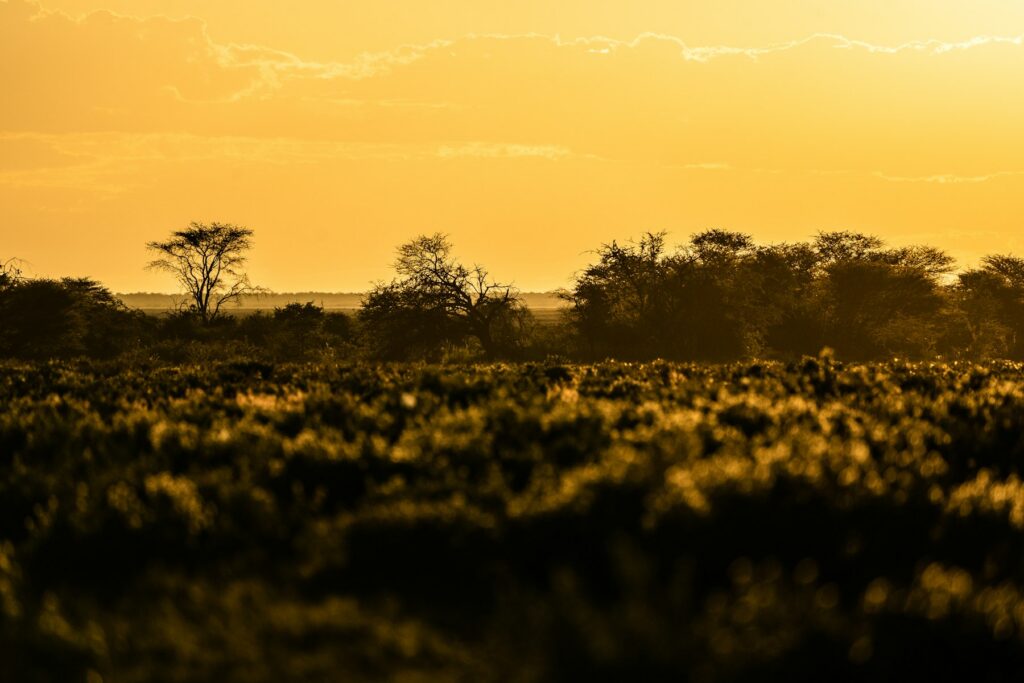
An Etosha day can move from a cold pre-dawn departure to intense sun and back to a cool evening. Plan the vehicle, clothing, food and photography for change rather than one temperature.

Mopane woodland can look quiet from a moving car, yet it supports browsing animals, birds and concealed predators. Slower observation reveals how this habitat works.
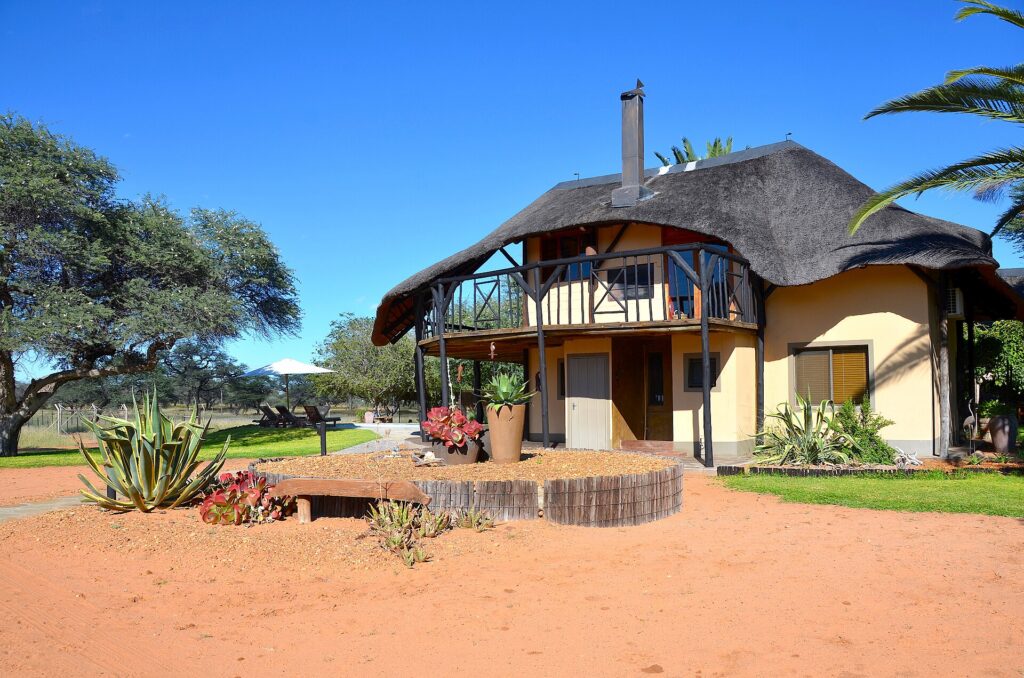
The label on an accommodation listing tells only part of the story. Compare the actual gate distance, room, meals, hosts and activities to choose the stay that supports your Etosha plans.
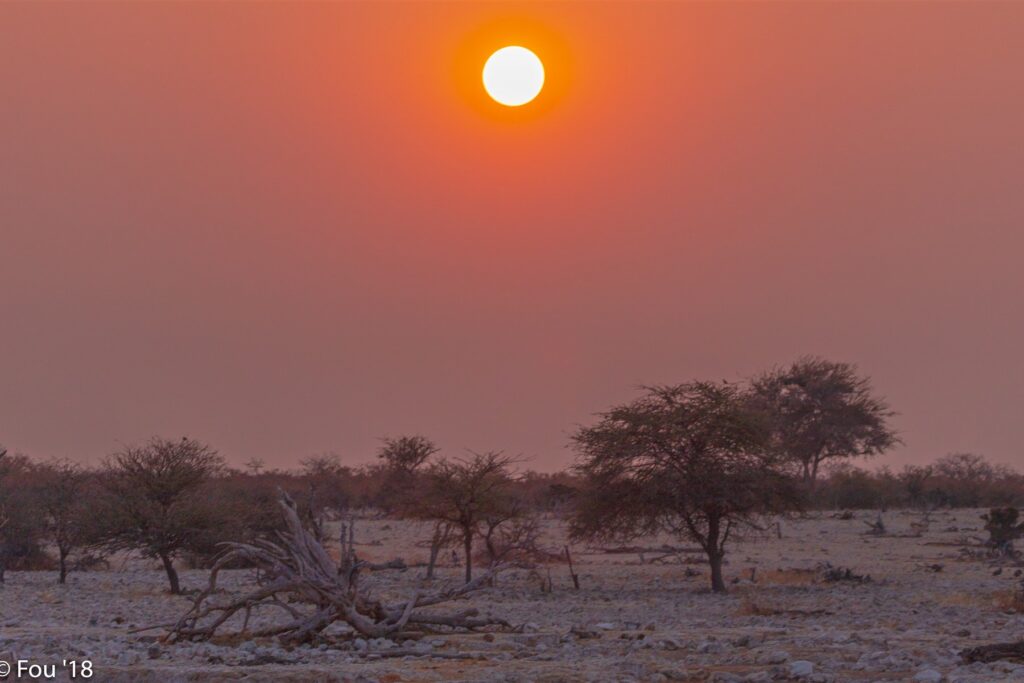
Etosha dawn drives can feel sharply colder than the afternoon. A small, adaptable layering system keeps travellers comfortable without filling the car with bulky clothing.

Try