
Rietfontein Waterhole can anchor a central Etosha loop when the route includes enough time to wait and a firm turnaround. It should not become a long detour made only because an old sighting report sounded dramatic.
Waterhole activity changes with season, time, wind, disturbance and water elsewhere in the landscape. Plan the road and daylight first, then let current signs decide how long the stop deserves.
Give Rietfontein Waterhole a clear role
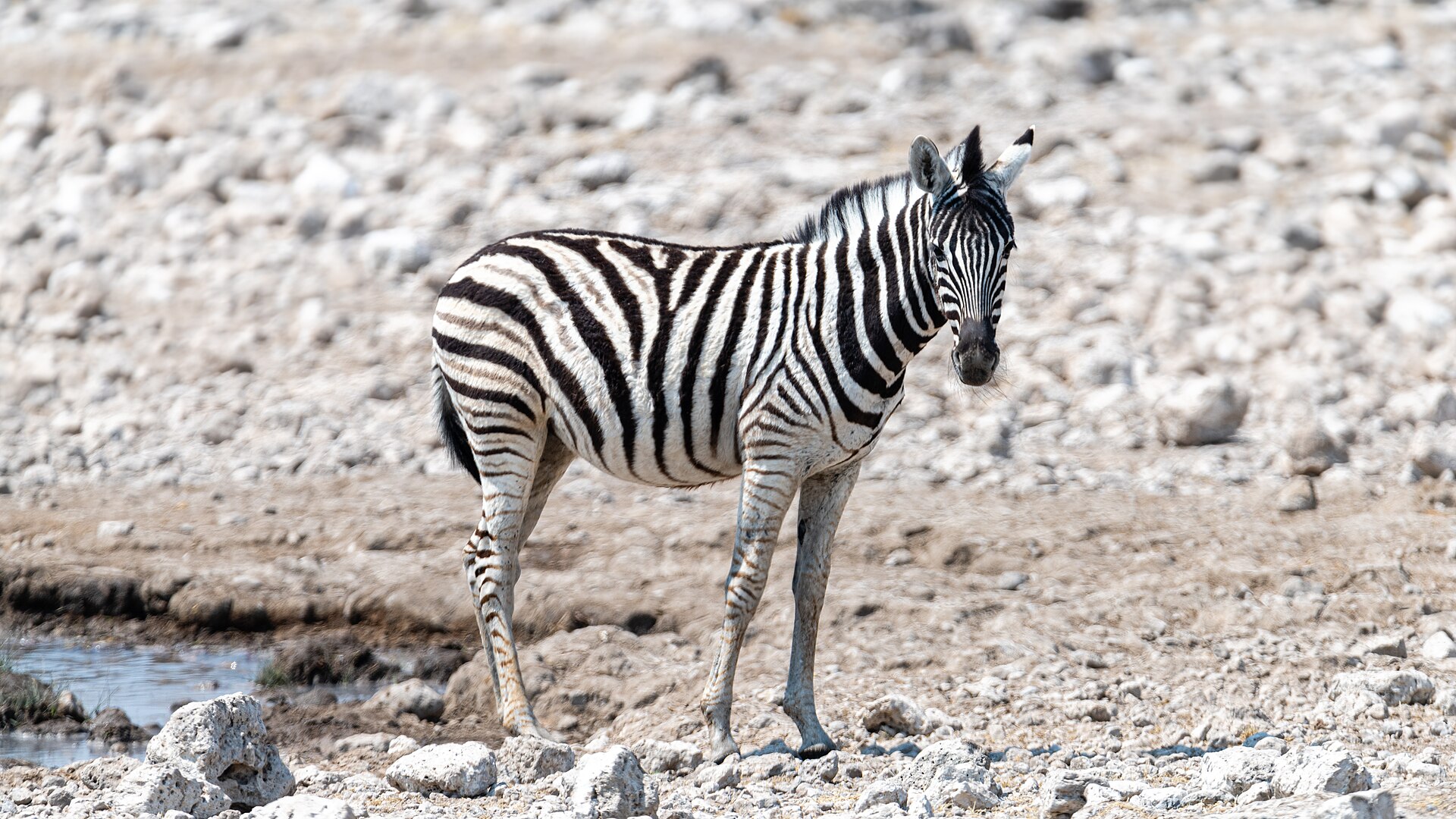
Use Rietfontein as a primary waiting stop, a link between central roads or a final check before turning back. Trying to make it all three can create a day of repeated movement without real observation.
| Visit type | Time approach | Best decision rule |
|---|---|---|
| Primary stop | Allow a longer quiet wait | Stay while signs and comfort justify it |
| Route link | Short structured scan | Leave if the wider schedule is at risk |
| Return visit | Compare another time of day | Do not repeat only from habit |
Scan before choosing a parking position
Look at approach tracks, nearby shade, bird behaviour and animals waiting away from the water. Choose a legal position that leaves access open and does not trap another vehicle. Switch off the engine when appropriate.
- Scan near ground before the horizon.
- Check the downwind approach.
- Watch animals behind the vehicle as well as ahead.
- Leave a corridor to the water.
Use a defined waiting strategy
A useful wait is active observation, not a phone break. Re-scan in layers, note new calls and compare group posture. Decide in advance when thirst, heat or the return journey will end the stop.
The Etosha waterhole guide helps place Rietfontein among other options, while NWR’s Etosha page provides current official resort context.
Build the central loop from time, not pins
- Start near the overnight base.
- Choose one secondary waterhole or habitat stop.
- Protect the longest wait at Rietfontein.
- Set a turnaround from gate or camp time.
- Drop optional stops when the day runs late.
The shortest line on a map may still take longer after stops, traffic and road conditions. Keep the loop smaller than the maximum possible distance.
Keep the waterhole usable for wildlife
Do not form a solid vehicle wall at the bank. Keep voices low, avoid sudden moves and never use food, calls or engine revving to influence an animal. When a herd hesitates because of traffic, more space is often the best sighting decision.
If the waterhole remains quiet, leave without treating it as a failed attraction. The central loop still offers landscape, birds, tracks and the chance of wildlife between named stops.
Review the loop after returning
Note actual driving time, road condition, crowding and how long the group stayed. Those facts improve the next central-sector day more than a list of species alone. Compare Rietfontein with the Etosha waterhole guide and the waterhole behaviour guide before repeating the route.
Rietfontein Waterhole: use a patient waiting plan
A stop at Rietfontein Waterhole works best when it has a time budget rather than a promised sighting. On arrival, park considerately, note the wind and scan the entire edge before moving the vehicle. Animals may be concealed beyond the obvious drinking point or may approach from behind.
Divide a 30-minute stop into phases
- First five minutes: settle, switch off the engine where appropriate and make a slow binocular scan.
- Next ten minutes: watch tracks, shade lines, dust and bird alarms for clues to movement.
- Following ten minutes: observe interaction and allow newly arriving vehicles room to see.
- Final five minutes: decide whether fresh signs justify staying or whether the loop should continue.
This structure keeps Rietfontein Waterhole from consuming the whole game drive simply because it is famous. Extend the stop only when conditions are comfortable, the route still fits the gate or camp deadline and behaviour is genuinely developing.
Record conditions, not only species
Note the time, temperature, water level, wind and traffic. Those details make a Rietfontein Waterhole sighting more useful than a species list alone. If the waterhole is quiet, scan nearby woodland and approach roads instead of assuming wildlife is absent.
Keep voices low, remain inside the vehicle and do not edge forward each time another driver moves. If the viewing line becomes crowded, a calm departure can be better than competing for position. A rewarding Rietfontein Waterhole visit may be a short observation of tracks, birds or cautious antelope rather than a dramatic predator encounter. By giving Rietfontein Waterhole a clear waiting and turnaround plan, travellers protect the rest of the central Etosha loop while remaining open to surprise.
Rietfontein Waterhole: practical questions
How long should visitors wait at Rietfontein?
Use a defined window based on current signs, comfort and the return deadline; there is no guaranteed duration.
Is morning always best?
Cooler periods can be productive, but season and animal movement matter more than a fixed rule.
What if vehicles crowd the waterhole?
Keep access routes open and leave if the animal’s space or safe traffic flow is compromised.
Rietfontein Waterhole belongs in a central Etosha loop when the day protects time for observation. Arrive with a turnaround plan, leave space for animals and accept that patience sometimes produces a quiet result.
Rietfontein Waterhole summary: Rietfontein Waterhole becomes easier to plan when current rules, realistic distances and responsible wildlife behaviour guide each decision.