
Seasonal pans around Etosha can change from dust and pale salt to shallow water, green margins and concentrated bird activity. The change depends on where rain falls, how water moves through the wider drainage and how quickly it evaporates.
A wet-season visit should not be judged by whether the main pan resembles a lake. Temporary pools, flooded grassland and fresh growth beyond the obvious viewpoint may be more important to wildlife than a dramatic sheet of water.
Seasonal pans around Etosha form a connected system
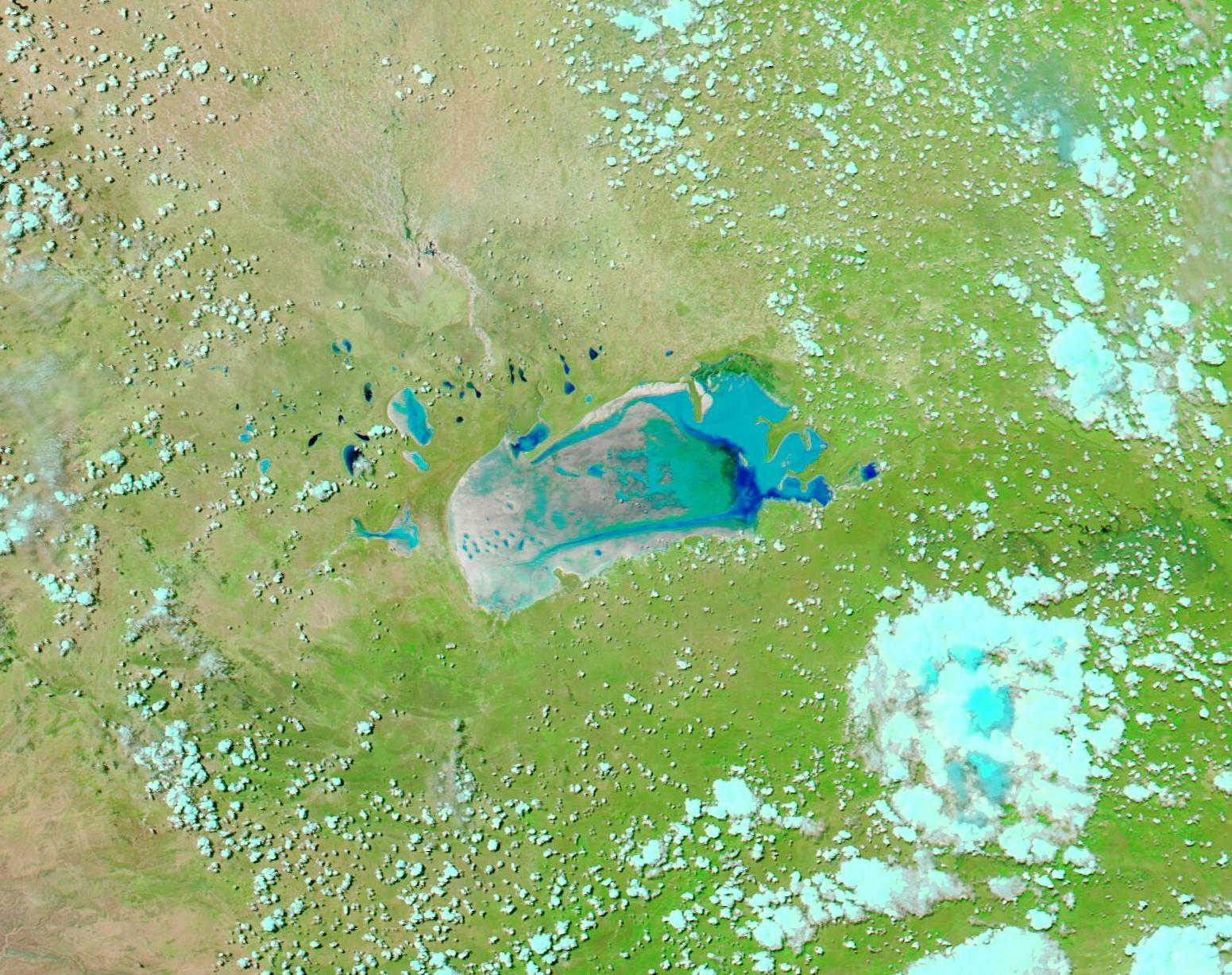
The Ramsar Sites Information Service describes Etosha Pan, Lake Oponono and the Cuvelai drainage as a system of ephemeral rivers, pans and seasonally flooded grasslands. Water can be patchy even in a good rainy period.
Local storms may fill one depression while another remains dry. Upstream rain can matter more than the shower visible from a lodge. Avoid claiming that a single photograph represents the whole park or the whole season.
Temporary water redistributes wildlife
When water and grazing spread across the landscape, animals need not gather at the same pumped waterholes used in dry months. This can make familiar stops look quiet while open grasslands and temporary pools become active.
| Change | Possible wildlife response | Visitor adjustment |
|---|---|---|
| Fresh grass | Grazers spread into new feeding areas | Scan plains between named stops |
| Temporary pools | Birds and small animals use shallow water | Watch edges from legal roads |
| Mud and standing water | Some roads may become difficult or close | Follow current park instructions |
| Insects emerge | Feeding opportunities for birds and bats | Carry repellent and observe quietly |
Wetlands create birding opportunities
Waders, ducks, storks, pelicans and flamingos may use suitable shallow water, but numbers and locations vary. Identify birds by structure, bill, legs and feeding action before relying on colour alone; heat, distance and reflected light can mislead.
- Carry binoculars before reaching for a long lens.
- Use a field guide that covers southern Africa.
- Keep off wet margins and closed tracks.
- Record water depth and habitat with the species list.
Rain changes driving decisions
A shallow-looking flooded road can hide soft ground, ruts or damage. Never create a new track around a closure. Turn back when instructed and ask staff about current conditions rather than relying on yesterday’s social post.
Mud on the vehicle is not proof of adventure; avoiding unnecessary damage protects roads, vegetation and rescue resources. Build extra time into transfer days during unsettled weather.
View temporary wetlands responsibly
- Stop only where legal and safe.
- Leave birds a wide feeding and roosting buffer.
- Avoid playback and repeated vehicle repositioning.
- Do not walk onto salt or mud surfaces.
- Share broad locations when breeding birds or sensitive wildlife are present.
The short life of a seasonal pool makes it ecologically important and physically fragile. The best view comes from patience at the edge, not closer access.
Photograph change without leaving the road
A series made from the same legal viewpoint can show water, vegetation and bird use better than one dramatic frame. Keep dates and broad habitat notes, but avoid sensitive breeding locations. Compare Etosha open-grassland ecology with the guide to Etosha after a thunderstorm for a fuller seasonal picture.
Seasonal pans around Etosha: keep a useful observation log
The appearance of seasonal pans around Etosha can change between visits and even during the same week. Instead of treating water as a promise of birds or mammals, record what is actually present: surface water, wet mud, dry salt, fresh tracks, wind direction and recent cloud activity.
Five details to note at every stop
- Water coverage: estimate whether the pan is dry, patchy, shallow or broadly flooded.
- Edges: scan wet margins, not only open water, because feeding birds may use the boundary.
- Distance: use binoculars and photograph habitat context before attempting close identification.
- Weather: note rain, heat shimmer and wind, all of which affect visibility.
- Behaviour: distinguish resting, feeding, drinking and passing animals.
A dated log prevents one sighting from becoming a general claim about seasonal pans around Etosha. It also helps travellers decide whether to wait, move to a permanent waterhole or return later. Avoid driving onto pan surfaces or following informal tracks; the landscape is fragile and route restrictions protect both visitors and wildlife.
Turn conditions into a flexible plan
If seasonal pans around Etosha are dry, focus on permanent water, grassland edges and dust-free sheltered areas. If they hold water, allow more time for distant scanning and bring a spotting scope or binoculars. After rain, roads can change quickly, so current staff guidance should shape the day.
Use the same notes to compare morning and afternoon without assuming that yesterday’s activity will repeat. The value of seasonal pans around Etosha lies in their variability. Patient observation of seasonal pans around Etosha produces more reliable wildlife records than chasing a checklist, and it keeps expectations realistic when conditions are temporary.
seasonal pans around Etosha: practical questions
Does the Etosha Pan fill every rainy season?
No. Water extent varies greatly with rainfall and the wider drainage system.
Are animals harder to see after rain?
They may be more dispersed, but fresh habitats create different viewing opportunities.
Can visitors drive through shallow water?
Only on open roads and within current park instructions; never bypass a closure.
Seasonal pans around Etosha are temporary by nature. Read the whole landscape, protect wet margins and allow rain to change the safari rather than treating it as a disruption.
seasonal pans around Etosha summary: seasonal pans around Etosha becomes easier to plan when current rules, realistic distances and responsible wildlife behaviour guide each decision.