
King Nehale Gate opens a northern approach to Etosha that can fit journeys from Ondangwa, Oshakati and other parts of north-central Namibia. It is not automatically the fastest entrance for every booking.
The gate makes sense when the previous night, road conditions and first Etosha sector align. A traveller booked near Okaukuejo may add too much internal transit by entering from the north, while someone continuing through the northern regions may gain a much cleaner route.
Confirm current opening information, permitted roads and fuel availability before departure. The northern approach should be planned as a complete day, not selected because it looks novel on the map.
In this guide
- Who benefits from the northern gate
- Build the approach around the first stay
- Fuel, documents and supplies
- Seasonal road checks
- A conservative arrival plan
- Seven essential decisions
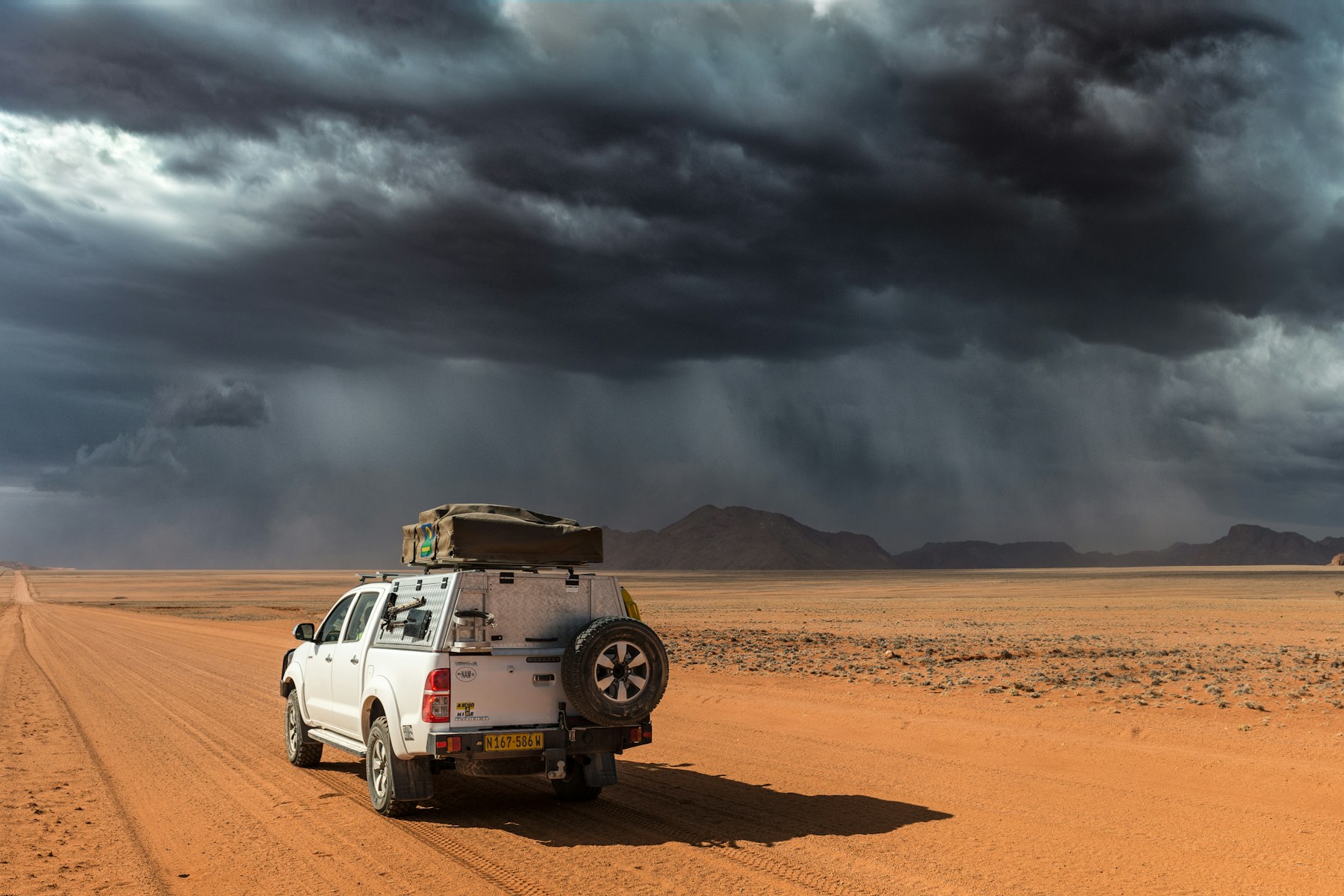
When King Nehale Gate fits the itinerary
Use the gate when travelling from north-central Namibia or when the next accommodation and safari plan are in the relevant northern or eastern part of Etosha. It can help connect Etosha with cultural, business or family travel beyond the traditional south and east approaches.
Do not enter north merely to cross the whole park on the same afternoon. Internal distances, wildlife stops, speed limits and closing schedules make a map line much slower than a highway calculation.
Match the gate to the first night
Plot the exact accommodation, legal route and latest check-in. If the first stay lies outside another gate, compare the whole-day distance. A northern entrance is valuable only when it reduces or improves travel.
Keep a second plan if road conditions change. After rain, a route that was comfortable the previous week may require more time or be restricted. Current staff advice wins over an old itinerary.
| Trip pattern | Gate logic | Main check |
|---|---|---|
| From Ondangwa or Oshakati | Potentially efficient northern entry | Current road and gate details |
| First stay in the north/east | Can reduce backtracking | Internal route and deadline |
| First stay near Okaukuejo | May create long transit | Compare Andersson Gate |
| Continuing north after Etosha | Could work as an exit | Fuel and onward daylight |
Prepare documents and supplies before the final road
Carry identity documents, booking confirmations, vehicle details and payment options where the passenger can reach them. Download maps and contacts for offline use. Cell coverage should not be the only way to find the booking.
Refuel at a reliable town and carry drinking water plus a simple meal. Do not depend on one small outlet or unverified opening time near the gate. Check the spare wheel and rental emergency procedure before leaving major services.
Choose a northern stay that fits the gate
Match accommodation, arrival time and the next safari sector before committing to the northern entrance. A coherent route saves fuel and avoids a rushed park crossing.
Confirm current conditions for King Nehale Gate
Infrastructure and access information can change. Consult the official Ministry of Environment, Forestry and Tourism, the park, accommodation and the Roads Authority as appropriate. Ask specifically about the intended route rather than “roads in the north” generally.
If staff direct a deviation, follow it. Do not use a closed road, private track or community route as an improvised shortcut. Travel respectfully through settled areas and reduce speed around people, livestock and villages.
A newer gate still follows the same safety rules
Gate choice does not change the need for daylight, rest, legal speed, current information and a confirmed overnight plan.
A conservative northern arrival plan
Leave the previous accommodation early enough for fuel and one comfort stop without consuming the gate margin. Complete formalities, ask about open routes and decide whether there is time for a short first loop or direct check-in.
Use the first evening to review the next day. If the route continues east or west, identify one primary waterhole circuit and a shorter alternative. The site’s Etosha National Park information gives broader planning context.
Seven essential arrival decisions
A written plan helps the passenger manage changes while the driver watches the road.
- Why this gate fits the route
- Confirmed first-night location
- Reliable final fuel stop
- Current road-condition source
- Gate and check-in buffer
- Short first-drive alternative
- Fallback if access changes
Build cultural respect into the approach
The northern route passes living communities, not an empty buffer around a park. Drive slowly through settlements, ask before photographing people, use authorised stops and support local businesses where appropriate.
King Nehale Gate can broaden an Etosha itinerary when it connects places thoughtfully. It should not be marketed as a shortcut that ignores the geography and people outside the fence.
A detailed King Nehale Gate planning workshop
Use this workshop to turn the broad King Nehale Gate advice into a written route that another adult can follow. Work through it before the booking deadline, repeat the live-information checks near departure and keep the shorter alternative beside the primary plan.
1. When King Nehale Gate fits the itinerary
Put King Nehale Gate on the map beside “When King Nehale Gate fits the itinerary” and the confirmed overnight location. Calculate the legal route in daylight, then add time for fuel, formalities, stops and slower wildlife traffic. A plan is not ready until the passenger can explain the same route without relying on live mobile data.
2. Match the gate to the first night
Treat “Match the gate to the first night” as a decision point, not a promise. Write the condition that keeps the plan in place and the condition that triggers a shorter alternative. This makes King Nehale Gate resilient when rain, road work, stock, a queue or a productive sighting changes the available time.
3. Prepare documents and supplies before the final road
Check the current source behind “Prepare documents and supplies before the final road”. Accommodation staff can confirm their own check-in; park staff control access; a rental company controls permitted roads; a national authority manages public-road information. Keep those roles separate so one helpful opinion does not become assumed official permission.
4. Confirm current conditions for King Nehale Gate
Allocate one person to manage “Confirm current conditions for King Nehale Gate” while the driver concentrates on the road. That passenger keeps documents, offline navigation, water and the next contact accessible. On a King Nehale Gate day, a calm division of responsibility prevents a small question from turning into a dangerous roadside search.
5. A conservative northern arrival plan
Build a margin around “A conservative northern arrival plan” that can absorb at least one ordinary delay. Do not spend the entire buffer on an optional detour before reaching the important checkpoint. If the day runs perfectly, the unused margin becomes rest or a short legal wildlife stop rather than wasted time.
6. Seven essential arrival decisions
Review passenger comfort when planning “Seven essential arrival decisions”. A route that works for two rested adults may fail with a child, limited mobility, motion sickness or a late flight. King Nehale Gate should protect toilet access, meals, shade and a realistic end to the day as deliberately as it protects kilometres.
7. Build cultural respect into the approach
Use “Build cultural respect into the approach” to check the vehicle rather than only the map. Fuel range, tyre condition, luggage security and emergency contacts should fit the exact road. Bigger is not automatically better; the driver must be able to place, park and reverse the vehicle confidently without blocking wildlife or traffic.
8. King Nehale entrance
Decide what will be removed first if “King Nehale entrance” takes longer than expected. The correct answer is usually an optional loop, shopping stop or photograph—not the gate margin, legal speed or driver break. A written removal order stops the group negotiating safety under time pressure.
9. northern Etosha approach
At the end of “northern Etosha approach”, record what changed: actual driving time, fuel used, road surface, passenger energy and any instruction received. Those notes improve the next King Nehale Gate stage. Avoid turning a single day’s conditions into permanent online advice for future travellers.
10. Etosha gate planning
Finish the “Etosha gate planning” check with a fallback that uses lawful roads and confirmed accommodation. Share the plan with every adult, including the point at which staff will be called. King Nehale Gate becomes enjoyable when the group already knows how to respond if the first option stops working.
11. northern Namibia route
Link “northern Namibia route” to a meal and rest plan. A route can be technically possible while leaving no safe time to eat, refill water or reset driver attention. King Nehale Gate should identify authorised facilities and the latest comfortable stop, with supplies carried in case an expected service is unavailable.
12. Who benefits from the northern gate
Check how “Who benefits from the northern gate” affects the following morning. A late arrival, complicated tent setup or long unpack can destroy the early start that justified the route. Good King Nehale Gate protects sleep by preparing lights, clothing, breakfast and the first navigation step before the group becomes tired.
13. Build the approach around the first stay
Make the cost of “Build the approach around the first stay” complete. Include extra fuel, park or activity charges, food, vehicle category and the value of time lost to another checkout. King Nehale Gate decisions improve when travellers compare the entire day rather than choosing the cheapest room or shortest map line in isolation.
14. Fuel, documents and supplies
Use “Fuel, documents and supplies” to confirm what requires advance reservation and what should remain flexible. Secure scarce accommodation or authorised activities, but do not pre-book every hour. King Nehale Gate needs open time for weather, wildlife and rest, especially after a transfer or on the only full park day.
15. Seasonal road checks
Share the environmental responsibility attached to “Seasonal road checks”. Stay on authorised roads, keep rubbish contained, avoid unnecessary idling and support legitimate local services. A thoughtful King Nehale Gate route reduces repeated backtracking and respects the communities and habitats through which the vehicle passes.
16. A conservative arrival plan
Run a final verbal rehearsal of “A conservative arrival plan” before departure. The driver states the first destination and stop rule; the passenger states the documents, contact and fallback. If those answers are unclear, King Nehale Gate needs another five minutes of planning before the engine starts.
Write the final King Nehale Gate plan on one page with current contacts, the primary route, the fallback and the conditions that trigger it. Review it at breakfast. A clear plan frees the driver to respond to the real road instead of defending an optimistic schedule. Keep the page after the trip and add actual timings, fuel stops and the reason for any change. Those notes make a later route more accurate without pretending that today’s road or operating conditions are permanent.
Recheck King Nehale Gate before departure
Use King Nehale Gate only when the first stay and wider northern route support it. King Nehale Gate conditions and procedures should be verified close to travel. A King Nehale Gate plan always needs fuel, daylight and a lawful fallback.
King Nehale Gate questions
Verify current operational information for the exact travel date.
Where is King Nehale Gate?
It is an entrance on the northern side of Etosha, serving approaches from north-central Namibia. Use a current map and official route information.
Who should use the gate?
It can suit travellers coming from or continuing to the north, especially when the first Etosha stay supports that geography.
Can travellers cross Etosha after entering?
A crossing may be possible only when open roads, distance and schedules permit. Do not plan a long late-afternoon transit.
Are roads always suitable after rain?
No. Conditions and access can change. Obtain current guidance and obey closures or deviations.
Where should fuel be purchased?
Use a reliable service town before the final approach and keep a conservative reserve. Do not depend on unverified small outlets.
Is live navigation reliable?
Coverage may be inconsistent. Download maps and bookings, and carry written contacts and route notes.
Make the northern gate part of a real route
Use King Nehale Gate when it connects the previous night, first Etosha base and onward journey. Good geography is more valuable than novelty.