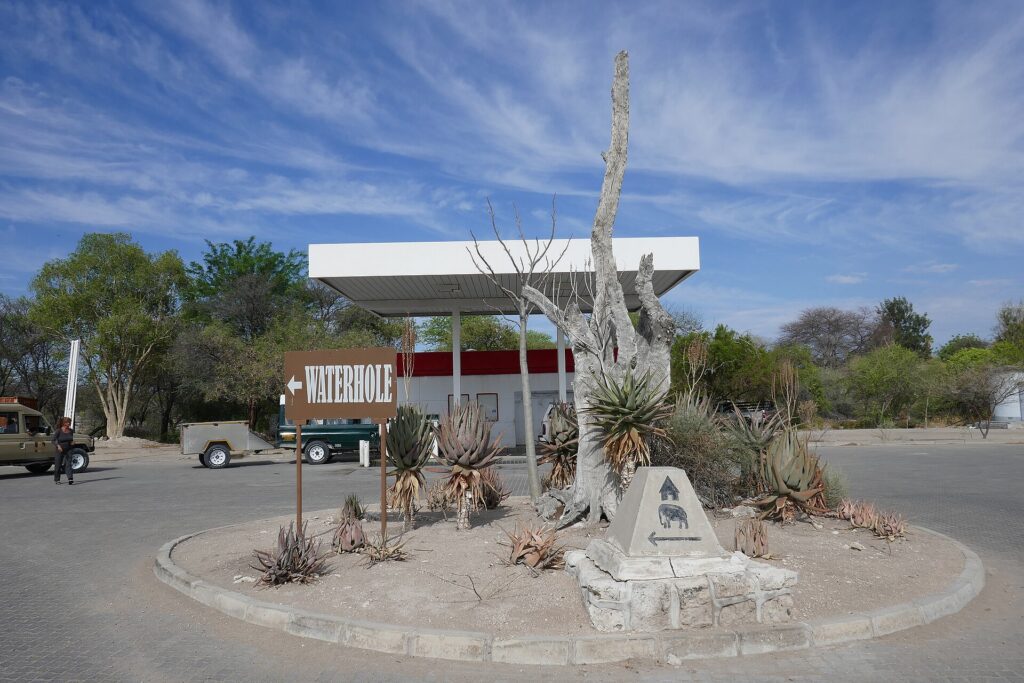
How to Plan Fuel Stops Before and After Etosha
Fuel planning around Etosha is simple when travellers fill early, verify current services and keep enough range for detours instead of driving to empty.
Search by property, Etosha area, gate or gateway town
Fuel planning around Etosha is simple when travellers fill early, verify current services and keep enough range for detours instead of driving to empty.
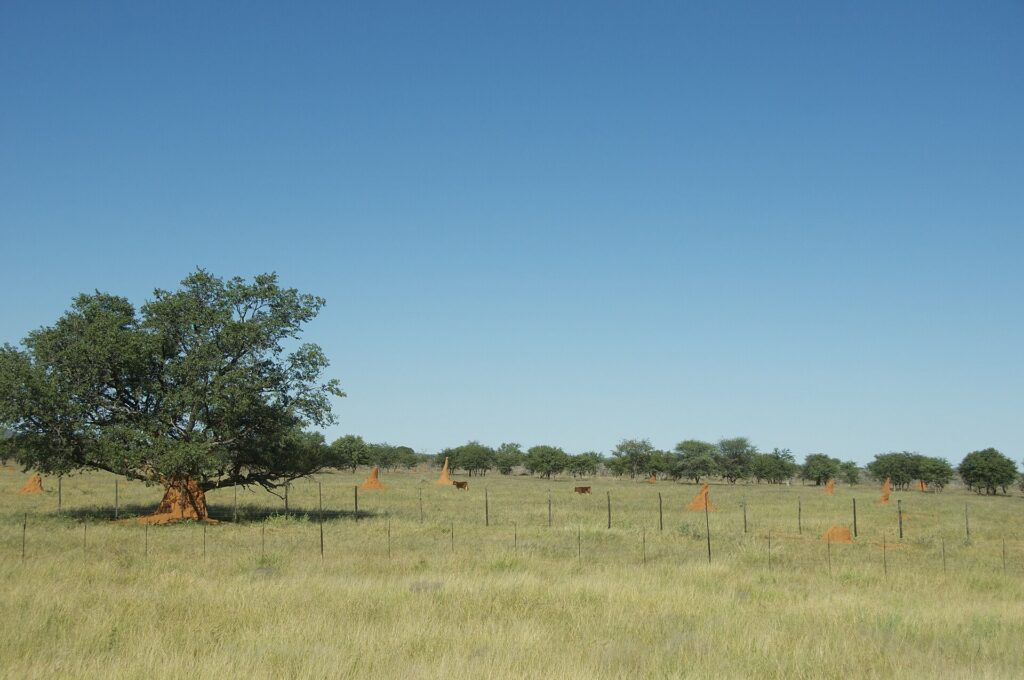
Linking Etosha with Kaokoland needs more than a map line. Plan vehicle capability, fuel, communications and community-aware travel in realistic stages.
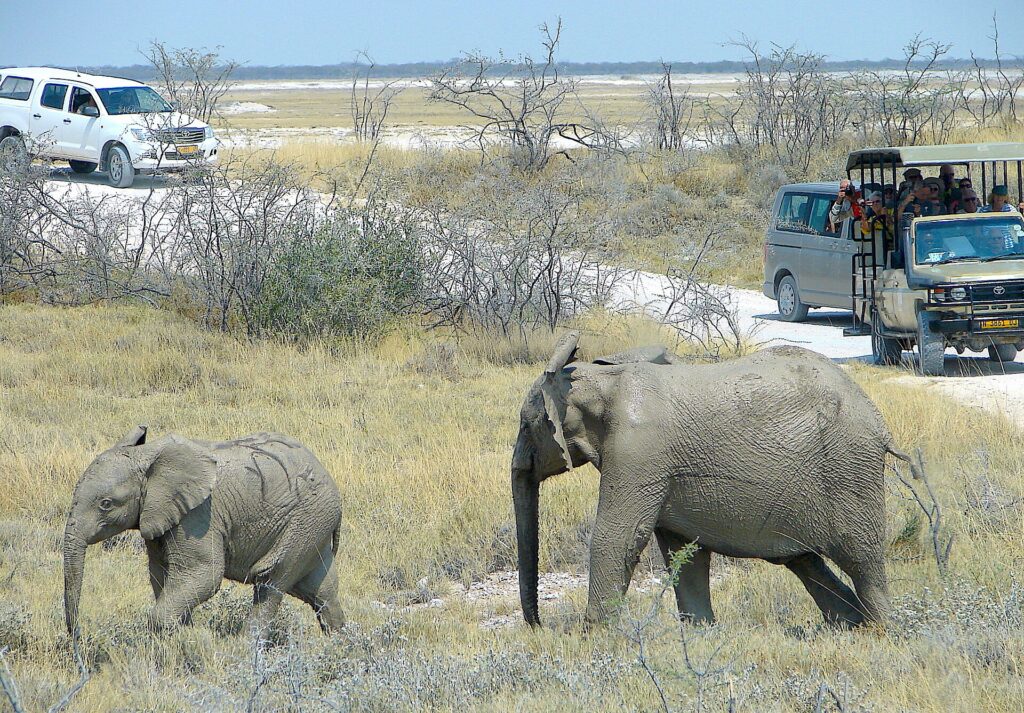
Solo Etosha travel can be calm and rewarding when routes are conservative, communication is planned and the vehicle is checked before the gate.
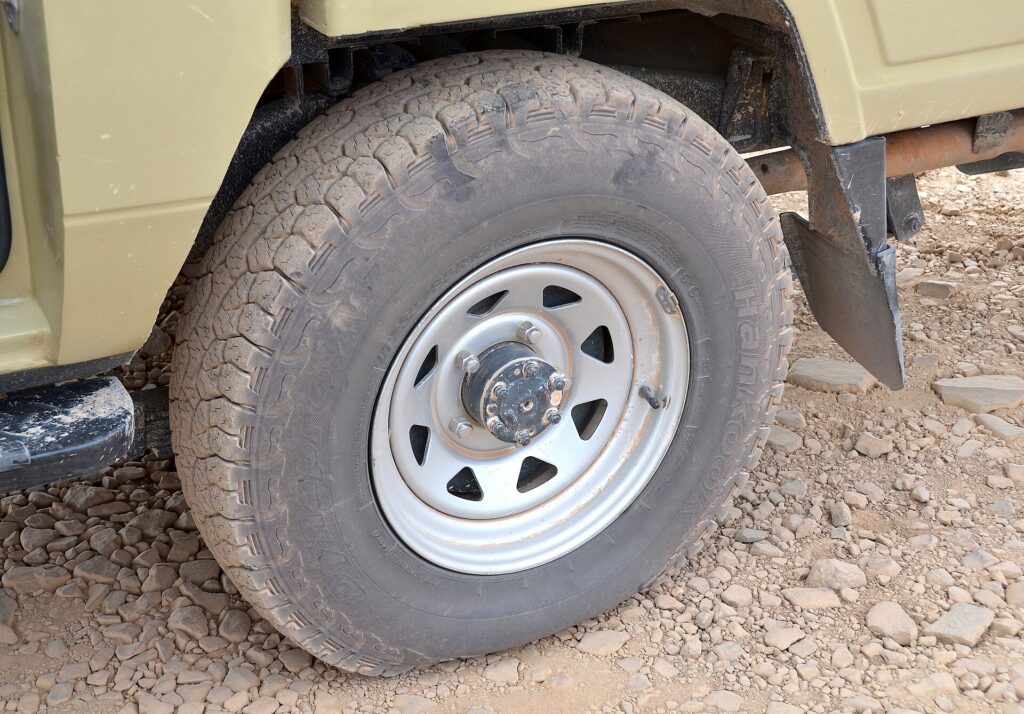
A puncture inside or near Etosha needs a safe stop, clear communication and the correct equipment. Prepare the spare before the trip, not beside the road.
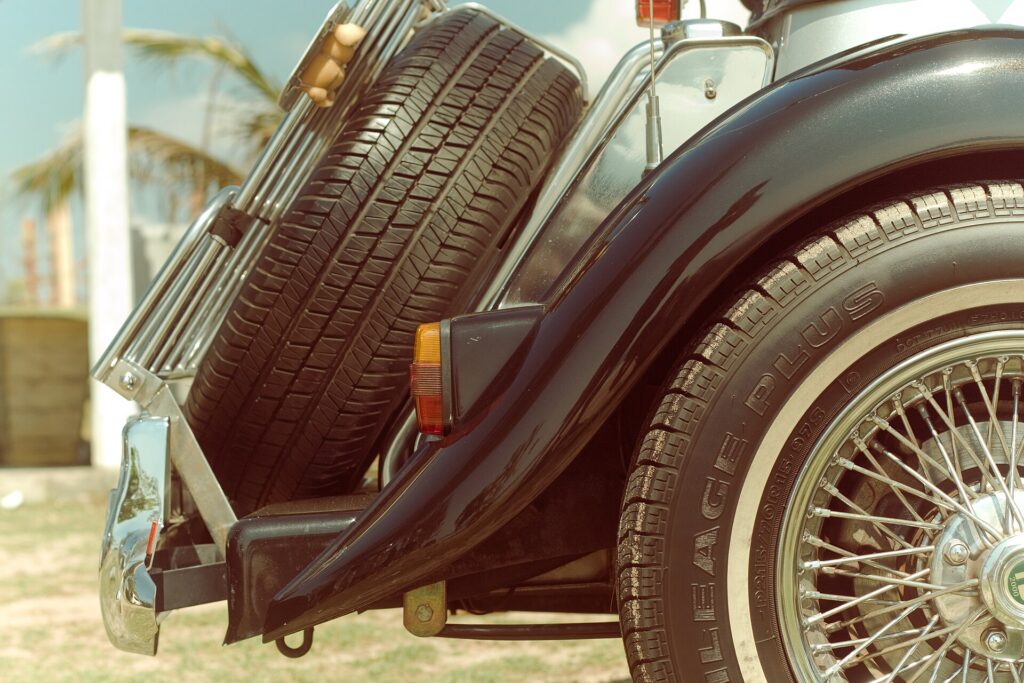
A spare wheel is useful only when it is inflated, accessible and supported by the correct tools. Complete these tyre checks before Etosha.
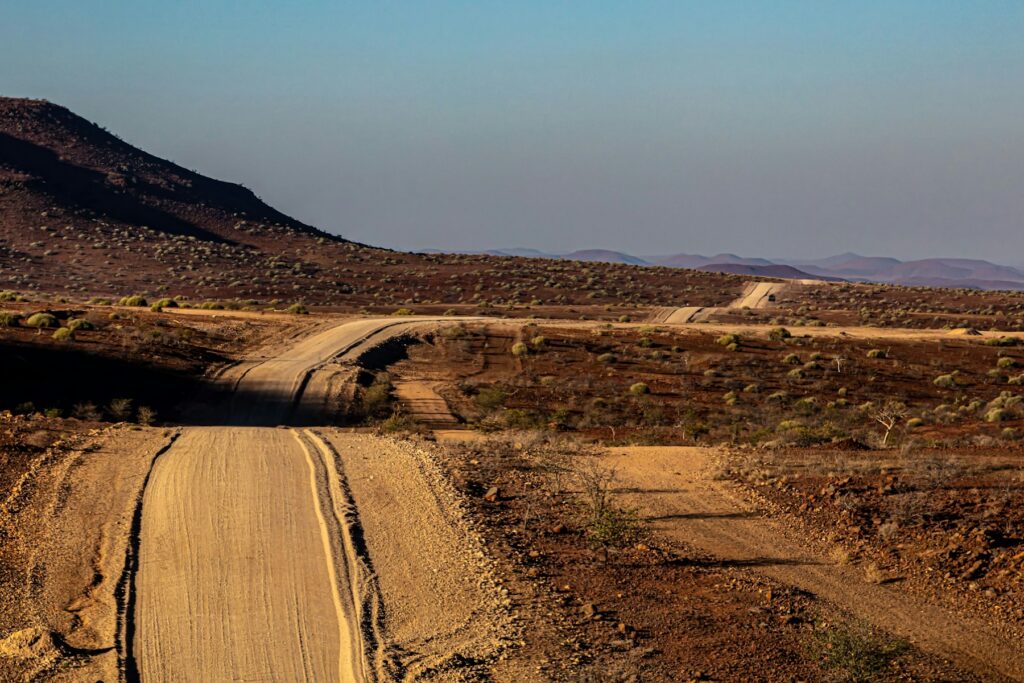
A one-way Etosha crossing can reduce backtracking and show different habitats, but only when gate access, accommodation, vehicle logistics and daylight all fit together.
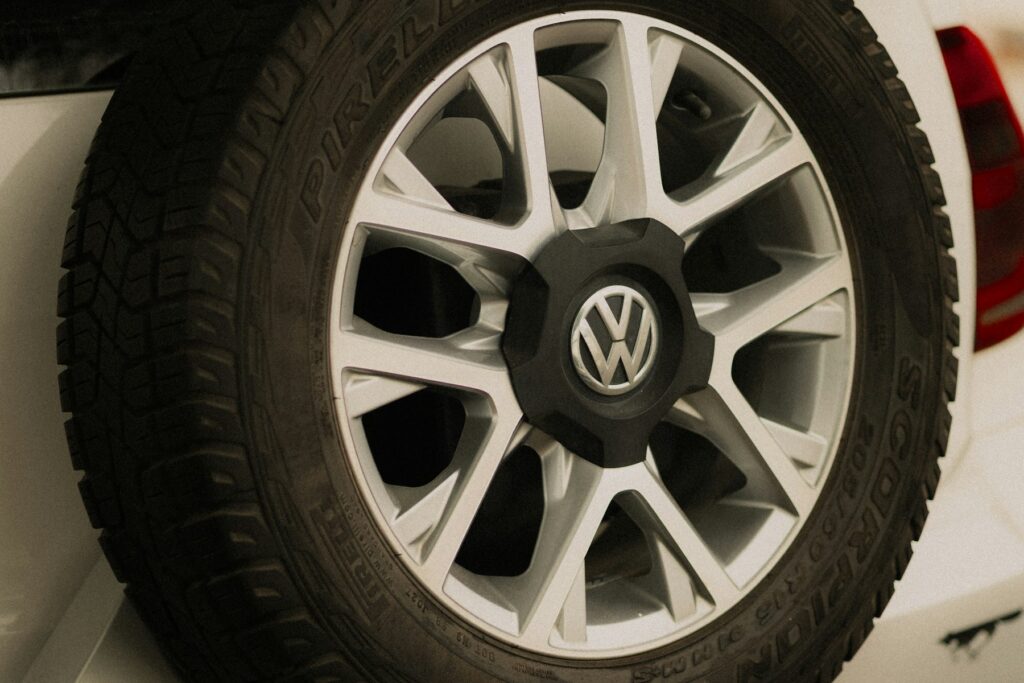
A careful rental-car handover in Windhoek can prevent avoidable confusion later. Use this practical checklist before accepting the vehicle for your Etosha road trip.

Three nights are enough to sample Etosha’s eastern, central and south-western public sectors when each transfer doubles as a wildlife drive. The plan is compact, not rushed.
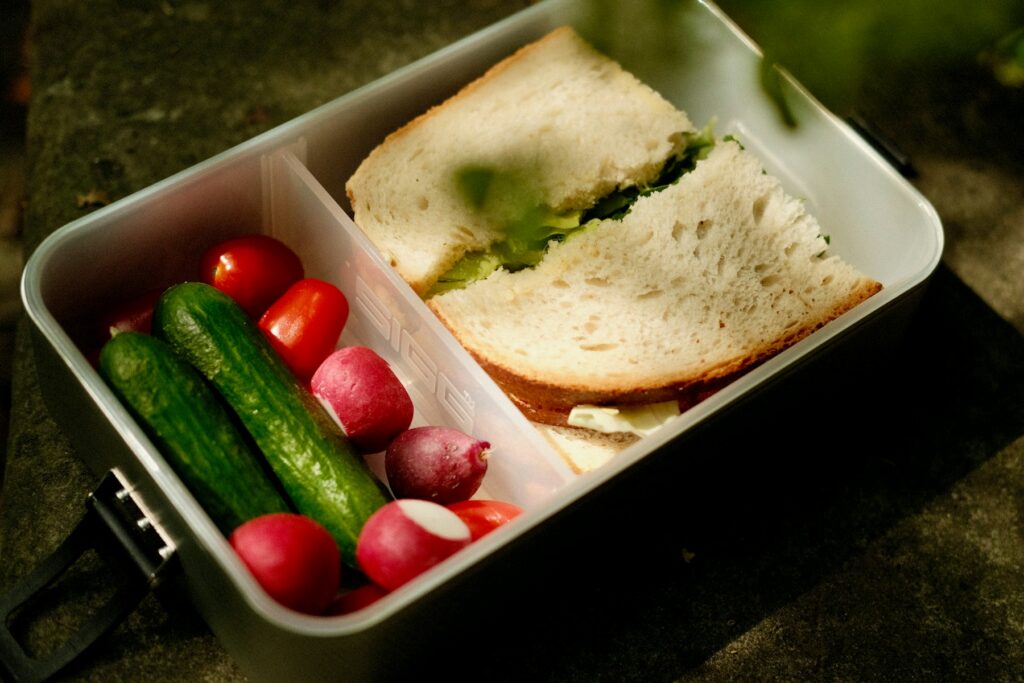
A useful Etosha lunch survives a warm car, takes minutes to eat and creates no wildlife or rubbish problem. Pack a simple meal that supports the route instead of dictating it.

Link Etosha, Twyfelfontein and the Skeleton Coast without turning the trip into a sequence of exhausting transfer days. The key is choosing a direction, overnight bases and a realistic coastal endpoint.

Try