
Etosha temperature swings can make one safari day feel like several seasons. A traveller may leave before sunrise in a fleece, remove layers as the vehicle warms, manage intense sun during the afternoon and reach for insulation again after the light fades.
The exact range depends on season, cloud, wind, recent rain and location. Use a current forecast close to travel, then plan for conditions on either side of it. A single historical monthly average cannot tell you how cold an open window will feel or how fast a parked vehicle will heat.
Good preparation for Etosha temperature swings is flexible: several light layers, accessible water, sun protection, a functioning vehicle and an itinerary that allows a slower middle of the day when conditions demand it.
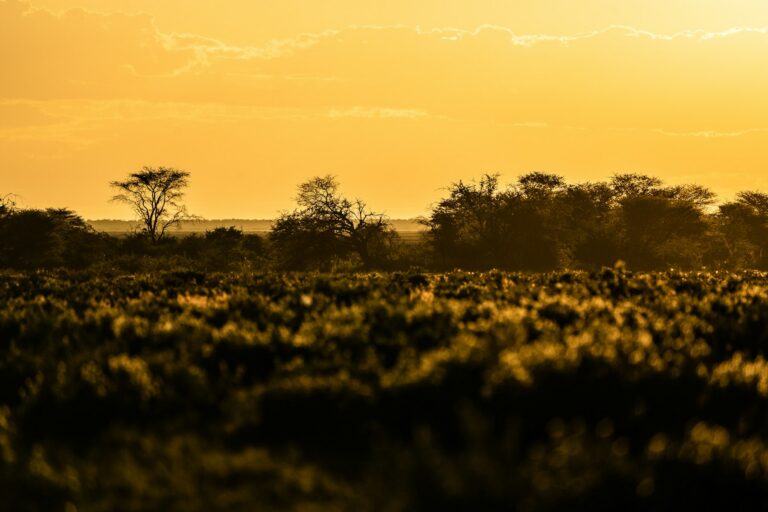
How Etosha temperature swings shape the day
| Time | Typical comfort challenge | Useful response |
|---|---|---|
| Before sunrise | Cold air, wind through windows and cool seats | Begin with removable layers and keep hands functional. |
| Early morning | Fast warming in direct sun | Open or remove one layer before sweating starts. |
| Late morning to afternoon | Strong radiant heat and a warming cabin | Use shade where legal, ventilation, water and shorter stops. |
| Late afternoon | Low sun and changing wind | Add eye protection and keep a light layer within reach. |
| After sunset at accommodation | Cooling air after a hot day | Change out of damp clothing and add insulation early. |
Radiant heat changes before the forecast number
A weather app reports air temperature, while a person inside a sunlit vehicle also feels radiation, glass, upholstery and airflow. A calm shaded stop and an exposed pan can feel very different at the same reported temperature.
Wind makes dawn feel colder
Open windows improve viewing but increase heat loss. In an open safari vehicle, wind exposure is stronger still. Etosha temperature swings therefore affect comfort before the thermometer appears extreme. A wind-resistant outer layer can be more useful than one bulky jumper.
Cloud can reverse expectations
A cloudy morning may warm slowly, while clearing skies can produce a rapid jump. Summer showers may cool the air temporarily and change roads. Keep layers and waterproof protection available instead of packing them below all the luggage.
Because Etosha temperature swings can accelerate after cloud clears, the cabin should be organised so passengers can adjust clothing without unpacking beside wildlife.
Dress for Etosha temperature swings, not one season
Build three light layers
Begin with a comfortable base layer, add light insulation and finish with wind resistance. Each piece should store compactly and return quickly. Avoid a heavy coat that is too warm after sunrise but consumes a seat when removed.
Protect skin throughout the day
A brimmed hat, sunglasses and appropriate sun protection remain useful when the air feels cool. UV exposure does not disappear because a breeze lowers perceived temperature. Reapply products according to their instructions and keep children covered without overheating them.
Keep footwear practical
Closed shoes can be useful in cool mornings and authorised rest areas, while breathable socks reduce discomfort later. Do not remove footwear in a moving shared vehicle if it creates loose items or delays a safe exit at a designated stop.
Pack one personal layer per passenger
A shared blanket cannot solve different comfort levels. Place each person’s layer in the cabin rather than the boot. Label children’s items and use a small bag that will not slide under the pedals.
For a detailed packing approach, see layering for cold Etosha mornings. The same compact system works when temperatures rise quickly.
Manage heating and cooling inside the vehicle
Test air conditioning at collection
The rental handover should include the air conditioner, fan and demister. Ask how the system is used efficiently and report a fault before leaving Windhoek. In hot conditions, cooling is an important safety and concentration aid, not just a luxury.
Ventilate without sacrificing wildlife rules
Open windows only when safe and keep bodies and equipment inside as required. Do not open doors beside wildlife for airflow. If the cabin becomes uncomfortable, move to an authorised rest area rather than improvising a roadside stop.
A parked car heats rapidly
Never leave a child or dependent person alone in a vehicle. Take everyone with you at authorised stops and keep the car locked. Camera bags, batteries, medicines and food can also be damaged by heat; follow manufacturer or medical storage guidance.
Use shade without blocking others
At a waterhole, a small patch of shade does not justify parking across the viewing line or animal approach. Choose a legal position, keep an escape route and move if the driver’s alertness or a passenger’s health requires cooling.
Hydration and heat awareness during Etosha temperature swings
The CDC Yellow Book guidance on heat and cold illness in travellers notes that desert environments can expose people to both problems. Individual needs vary with age, health, medicine, activity and acclimatisation, so seek personal medical advice where needed.
Drink regularly without forcing a fixed universal target
Carry more water than the planned driving day seems to require and make it reachable. Encourage regular drinking, but do not present one volume as correct for every traveller. People with fluid restrictions or relevant conditions need advice from their clinician.
Etosha temperature swings can hide fluid loss: a cool breeze may make the sun feel less demanding while the body still needs attention.
Know early heat-warning signs
Headache, unusual weakness, dizziness, nausea, intense thirst, confusion or worsening illness require attention. Move to a cooler place, stop the safari and seek appropriate help. Confusion, collapse or very hot skin can be an emergency; use local emergency services and professional guidance.
Cold matters too
Shivering, numb fingers and reduced concentration affect photography and driving. Add layers before discomfort becomes severe. Change damp clothing and shield exposed passengers from wind. Infants, older adults and people with certain conditions may need closer monitoring.
Protect food and medicine
Use a reliable cooler for perishables and open it briefly. Never assume a vehicle glovebox or lodge minibar is suitable for temperature-sensitive medicine. Ask a pharmacist or clinician how to transport and store it, including backup plans for power loss.
Adjust wildlife expectations as the day warms
Cool periods often bring movement
Many animals use cooler hours for feeding, travel or drinking, but behaviour varies. A cold morning does not guarantee predators, and a hot afternoon is not empty. Use temperature as one clue alongside water, shade, wind and disturbance.
Midday can favour patient shade viewing
Instead of racing between distant waterholes, choose a legal position with shade or a clear view and wait. Elephants may drink, raptors may use thermals and antelope may remain near cover. Etosha temperature swings can shift activity without ending it.
Do not pursue an animal seeking shade
If wildlife moves into woodland or lies in shade, maintain distance. Repeatedly repositioning for a clear photograph can interrupt rest. A wider habitat image is preferable to pressure for a portrait.
Plan the driver’s concentration
Heat and glare can make a long afternoon tiring. Share driving only with authorised renters, take breaks at permitted places and shorten the route if attention declines. No planned sighting is more important than a safe return.
Camera care across Etosha temperature swings
Prevent condensation after air conditioning
A cold camera moved into warm humid air can fog. Allow equipment to change temperature gradually in a closed bag where appropriate, and follow the manufacturer’s guidance. Do not wipe internal surfaces or change lenses repeatedly in dust.
Protect batteries from extremes
Cold can reduce apparent battery performance, while heat accelerates stress. Keep spares shaded, dry and out of a parked car where possible. Never leave a battery loose with exposed contacts.
Treat Etosha temperature swings as an equipment issue as well as a clothing issue, and check storage guidance for every battery and device.
Recheck exposure as light changes
Low warm light, bright pan surfaces and midday contrast require different settings. Review the histogram and shutter speed after every major lighting change. Heat shimmer may reduce distant detail even when autofocus is correct.
Keep hands usable
Thin gloves with good grip can help at dawn, but remove them if they interfere with controls. A camera strap or secured beanbag protects equipment when passengers begin removing layers in a confined cabin.
A flexible routine for Etosha temperature swings
- Check the current forecast and park notices the evening before.
- Lay out light layers, hat and water for every passenger.
- Start with insulation and wind protection within the cabin.
- Remove one layer before sweating begins.
- Use sunscreen and eye protection even in cool air.
- Keep the hottest period compact and take authorised breaks.
- Watch passengers for heat, cold or dehydration symptoms.
- Recheck the driver’s concentration before the return route.
- Add a dry layer before the evening cool becomes uncomfortable.
Build a temperature-ready Etosha day from start to finish
Prepare the night before, not at the gate
Put the first layer for each passenger beside the day bag and move the next layer to an accessible seat pocket. Fill water containers, chill food correctly and charge devices before sleeping. This prevents a cold dawn departure from becoming a search through luggage and keeps doors closed when wildlife is nearby. It also lets the group notice a missing hat, empty bottle or flat battery while there is still time to correct it.
Check whether the next accommodation supplies breakfast packs, ice or a refrigerator, but confirm rather than assume. If food is collected early, learn where and when. Store it according to the provider’s instructions and separate anything that could leak. The best response to Etosha temperature swings begins with organised food and water, not clothing alone.
Create a warm-up plan for the first hour
A vehicle may feel colder once it starts moving than it did in the car park. Begin with windows positioned for safe visibility and keep a windproof layer ready. Passengers should adjust vents and clothing before the driver joins the tourist road. Do not let a blanket, scarf or loose bag obstruct pedals, the gear selector, mirrors or the driver’s view.
Cold fingers can make binoculars, cameras and phones difficult to use. Keep one simple viewing tool ready rather than unpacking the entire camera system at the first sighting. As the light improves, stop at an authorised place if equipment needs reorganising. Handling batteries, straps and lens caps while the vehicle is moving creates avoidable distraction.
Make the heat transition deliberate
The first person to feel warm should remove a layer before becoming sweaty, while others may remain comfortable. Pack removed garments into a dedicated cabin bag so they do not drift across seats or disappear under luggage. Never place clothing on the dashboard, where it can block vision, overheat or become a projectile during sudden braking.
Use the change in light as a reminder to recheck sunscreen, water and the day’s distance. A clear morning can move quickly from cool to hot, particularly in a closed vehicle parked at a waterhole. If air conditioning is used, avoid an extreme cabin setting that leaves everyone uncomfortable each time a window opens or an authorised rest stop is reached.
Plan a midday reset
A reset can be lunch at a camp, a rest at accommodation or a short legal stop that gives the driver time away from continuous scanning. Refill reachable water, check the cooler, clean the windscreen if facilities and rules allow, and estimate the afternoon route again. The aim is not to force activity into every minute but to preserve alertness for the return.
Children and older travellers may need a quieter or cooler interval even when the main driver feels fine. Agree in advance that any passenger can request a comfort stop at the next authorised place. Group pressure should never override dizziness, confusion, worsening headache, unusual fatigue or another symptom that requires attention.
Reset again before the late drive
Low sun changes glare, contrast and animal visibility. Put sunglasses, a light layer and the route notes back within reach before leaving the final afternoon stop. Check that the vehicle still has enough fuel for the planned circuit and any permitted diversion. If the schedule is already tight, remove an optional waterhole instead of compressing the last kilometres.
The temperature can fall before passengers expect it, especially with wind through open windows. Add a layer early enough to keep attention on wildlife and navigation. Waiting until everyone is very cold often means a hurried stop, tangled clothing and a driver distracted precisely when the light is becoming more difficult.
Review what worked for the next day
At accommodation, note which items stayed useful and which remained buried. Dry damp clothing, recharge devices and return the warm layer to the cabin bag. If the group used much more water or cooler capacity than expected, correct the supply plan. A short review turns one day’s Etosha temperature swings into better preparation for the next.
Use the same review for the route. If heat, glare or fatigue made the planned distance uncomfortable, shorten the following circuit or move the departure time within official operating rules. Safari quality comes from alert observation and safe decisions, not from completing the longest possible list.
Keep one simple contingency bag
A compact contingency bag can hold a dry base layer, wind shell, spare sun hat, sealed snack and the instructions for any personal medicine. Keep it separate from ordinary luggage and confirm that it stays within safe storage temperatures. The bag is not an excuse to overpack; it is a dependable response when Etosha temperature swings, a spilled drink or an unexpectedly windy drive make the clothing currently in use unsuitable.
Check the bag each evening and replace only what was used. That small routine preserves space in the vehicle, keeps essentials easy to find and prevents every passenger from bringing several bulky alternatives into the cabin.
Common temperature-planning questions
What temperature should I pack for?
Use a current forecast for the exact dates and bring a small margin on both sides. Historical averages describe a climate, not the conditions inside an open vehicle on one morning.
Is one warm jacket enough?
Several light layers usually adapt better and pack smaller. Include wind protection and make sure each passenger has personal insulation.
Should we skip midday entirely?
Not necessarily. Use it for a rest, a compact waterhole wait, lunch at an authorised place or a shorter route. Conditions and group health should decide.
Does a guided vehicle provide blankets?
Some do and some do not. Ask the operator what is supplied, whether the vehicle is open and what happens during wind, rain or unusual heat. Bring personal essentials regardless.