
Von Lindequist Gate history begins with a name from German colonial rule. Friedrich von Lindequist, governor of German South West Africa, proclaimed Game Reserve No. 2 in 1907. The reserve later became Etosha National Park, although its boundaries and purpose changed substantially.
A gate name is not a complete history. Indigenous relationships with land and wildlife long predate colonial proclamations, and early conservation policy also served colonial economic and political interests. Visitors should hold those realities together.
Who was Friedrich von Lindequist?
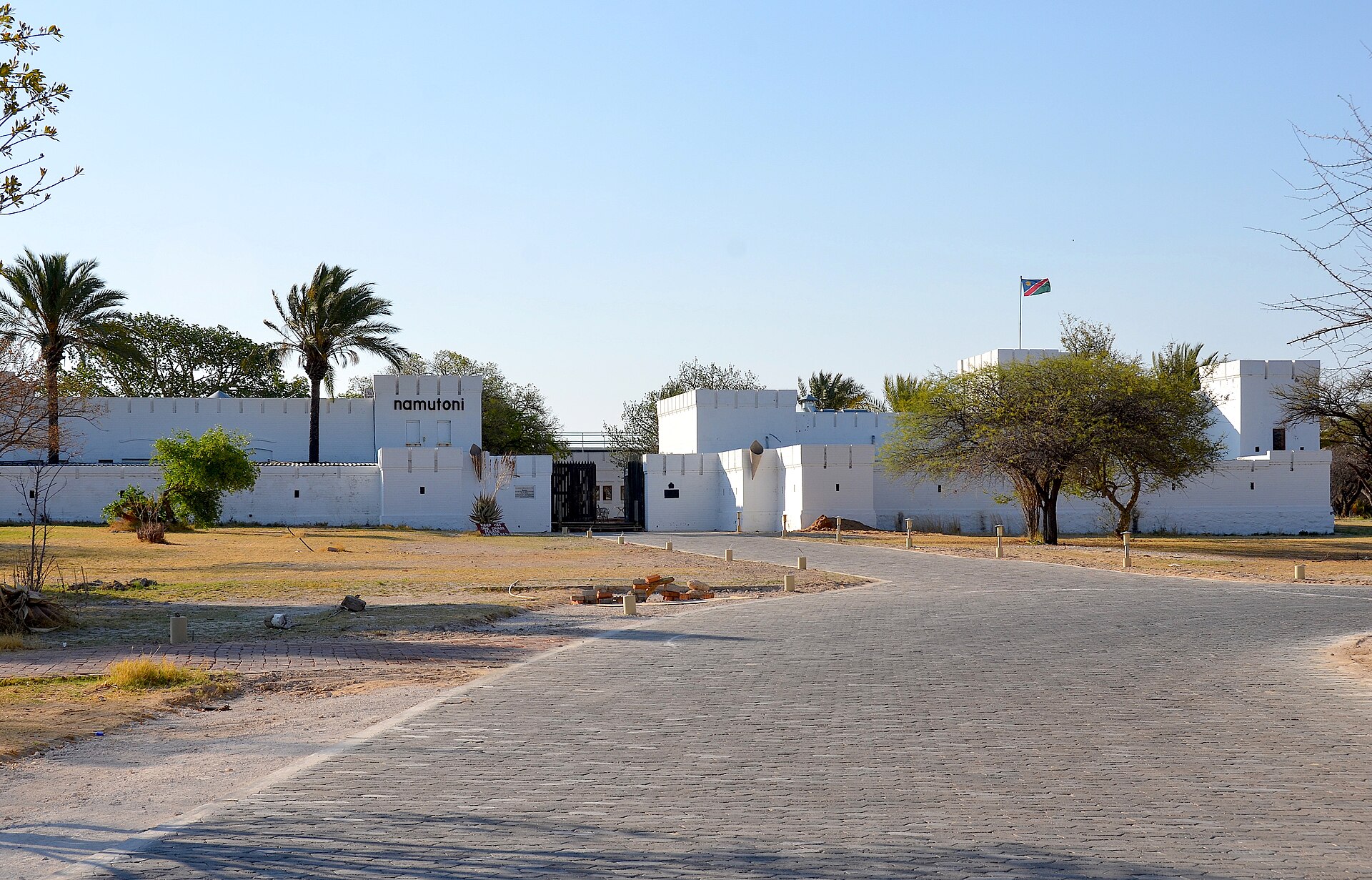
Von Lindequist was a senior German colonial administrator. Attaching his name to the eastern gate links a modern tourist entrance to the period when Germany controlled the territory then called German South West Africa.
That context should not be reduced to a heroic founder story. Colonial rule involved dispossession, violence and unequal power. A responsible account acknowledges the proclamation without presenting conservation as beginning only when a European official signed it.
Von Lindequist and the 1907 proclamation
Namibia’s State of the Parks report records that von Lindequist proclaimed the area around Etosha Pan as Game Reserve No. 2 on 22 March 1907. The original reserve was much larger than today’s park.
The report explains that the reserve aimed to protect depleted game as a resource and also served settler and veterinary interests. This makes the early history more complex than a modern national-park narrative focused only on biodiversity.
How Game Reserve No. 2 became modern Etosha
| Period | Change | Why it matters |
|---|---|---|
| 1907 | Game Reserve No. 2 proclaimed | Formal colonial protection over a vast area |
| 1958 | Etosha National Park name adopted | A new national-park identity |
| 1970 | Boundaries greatly reduced | Current park shaped by apartheid-era policy |
| Today | Park covers 22,935 km² | Major conservation and tourism landscape |
Boundaries shifted more than once, and communities outside the park remained part of the wider ecological and human landscape. Present-day conservation cannot be understood only from inside the fence.
Von Lindequist Gate and the Namutoni side
The eastern entrance is closely associated with Namutoni and the historic fort. Travellers approach through the Tsumeb side and enter a sector of woodland, pans and waterholes. Current gate renovations or procedures may change the arrival experience, so follow signs and staff.
Read two nights near Von Lindequist Gate for practical planning, and compare Namutoni accommodation before fixing the route.
How to visit a colonial-era place thoughtfully
- Separate documented history from legend.
- Use Namibian sources where available.
- Recognise Indigenous history before the park proclamation.
- Avoid treating colonial administration as neutral.
- Support guides and institutions that add local context.
- Leave room for contested interpretations.
Plan an eastern Etosha arrival
History should deepen the journey without distracting from present rules. Carry documents, arrive with time for gate procedures and begin with a local loop rather than immediately driving across the park. The official park page provides background, while current instructions at the gate are decisive.
Von Lindequist Gate history is a doorway into a larger story: colonial power, changing conservation ideas, reduced boundaries and today’s protected area. Treat the name as a prompt to learn, not as the entire explanation.
Von Lindequist Gate history: reading the place carefully
Why does the gate carry this name?
The name is tied to Friedrich von Lindequist and the colonial administration under which Game Reserve No. 2 was proclaimed. That origin should be stated plainly rather than reduced to a romantic safari anecdote.
Was the original reserve the same size as today’s park?
No. Boundaries changed substantially over time. The present park is only part of the area once covered by the reserve, and later political decisions reshaped conservation and access.
How should travellers interpret colonial names?
Use them as an invitation to ask who named the place, who held power and whose experiences were excluded from older accounts. A gate name is not a complete history of the landscape or the communities connected to it.
What evidence is useful?
- Official park sources and archival records.
- Dates of proclamation and boundary changes.
- Local and Indigenous perspectives.
- Careful distinction between documented fact and oral account.
- Contemporary Namibian interpretation.
Does the history affect a modern visit?
It can deepen the journey by showing that parks are managed landscapes shaped by law, politics, conservation and people. That context belongs beside wildlife viewing, not in place of it.
Von Lindequist Gate history is best presented with dates, sources and humility. Entering Etosha from the east is also an opportunity to recognise that the park’s boundaries and names have complicated human stories.
Von Lindequist Gate history summary: Von Lindequist Gate history requires evidence, context and humility. Read Von Lindequist Gate history alongside changing boundaries and Namibia’s wider human story.
Von Lindequist Gate history becomes clearer when dates and boundaries are compared. Responsible Von Lindequist Gate history also acknowledges the colonial context behind the name.