
Sandgrouse at Etosha Waterholes: Timing and Drinking Behaviour
Sandgrouse may arrive at water in fast, vocal flocks. Learn what to watch, why timing varies and how males transport water to their chicks.
Search by property, Etosha area, gate or gateway town
Sandgrouse may arrive at water in fast, vocal flocks. Learn what to watch, why timing varies and how males transport water to their chicks.
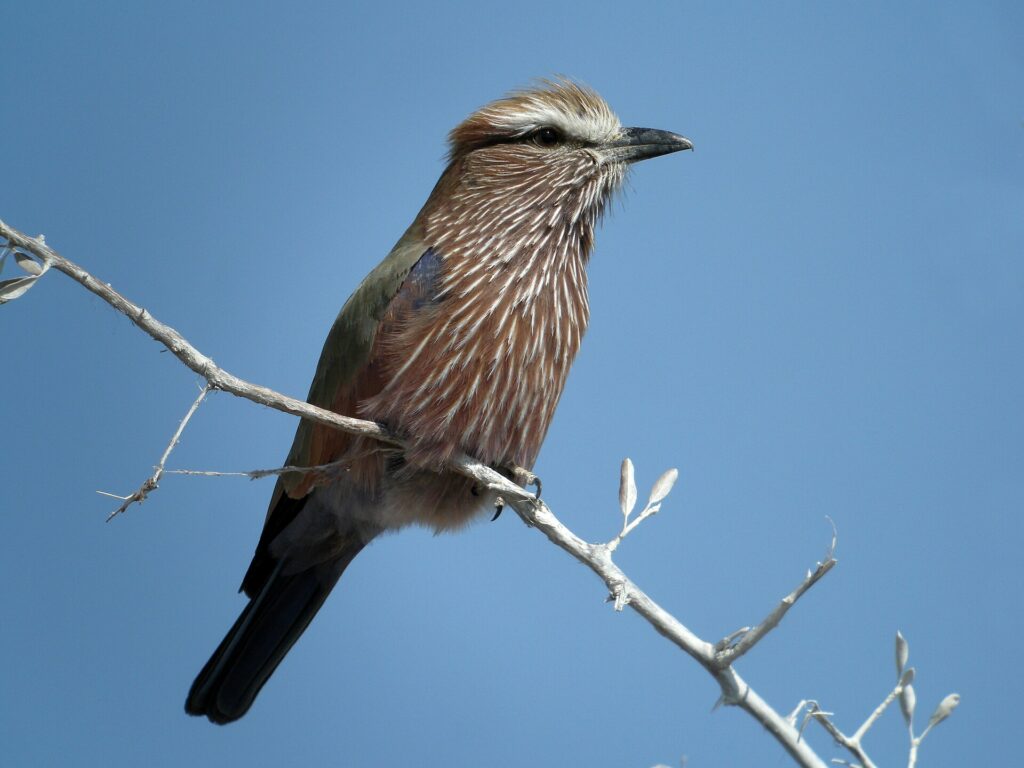
The right birding guide matches your pace and practises low-disturbance fieldcraft. Ask these questions before booking an Etosha birdwatching guide.
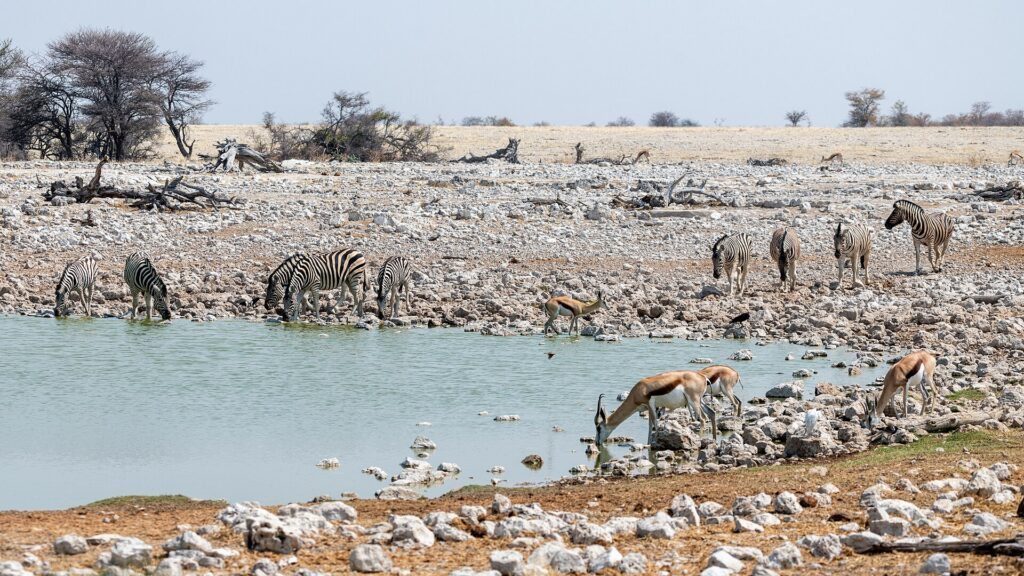
Waterhole access is negotiated moment by moment. Size matters, but so do herd numbers, thirst, caution, arrival direction and individual behaviour.
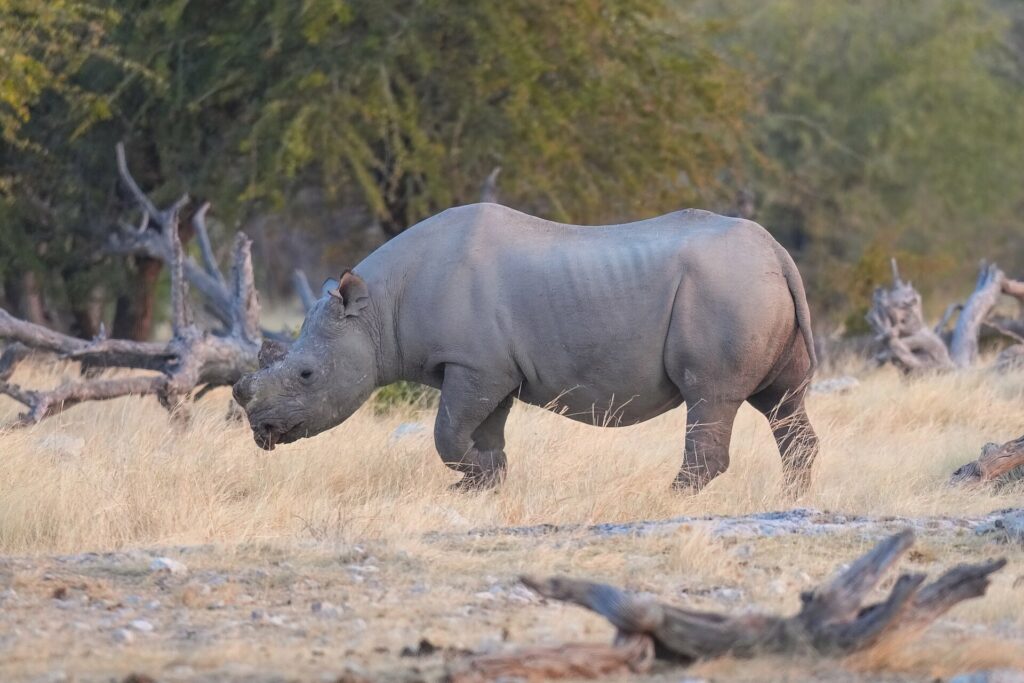
A beautiful rhino image does not need a precise live location. Remove geotags, delay posting and keep ranger or security details out of public captions.

There is no permanent queue at an Etosha waterhole. Animals continually balance thirst, visibility, predators and larger competitors, so the apparent order can change within minutes.

The best photographic guide is not simply the person with the longest lens. Look for ethical fieldcraft, clear communication, suitable vehicle access and a plan shaped around your subjects.
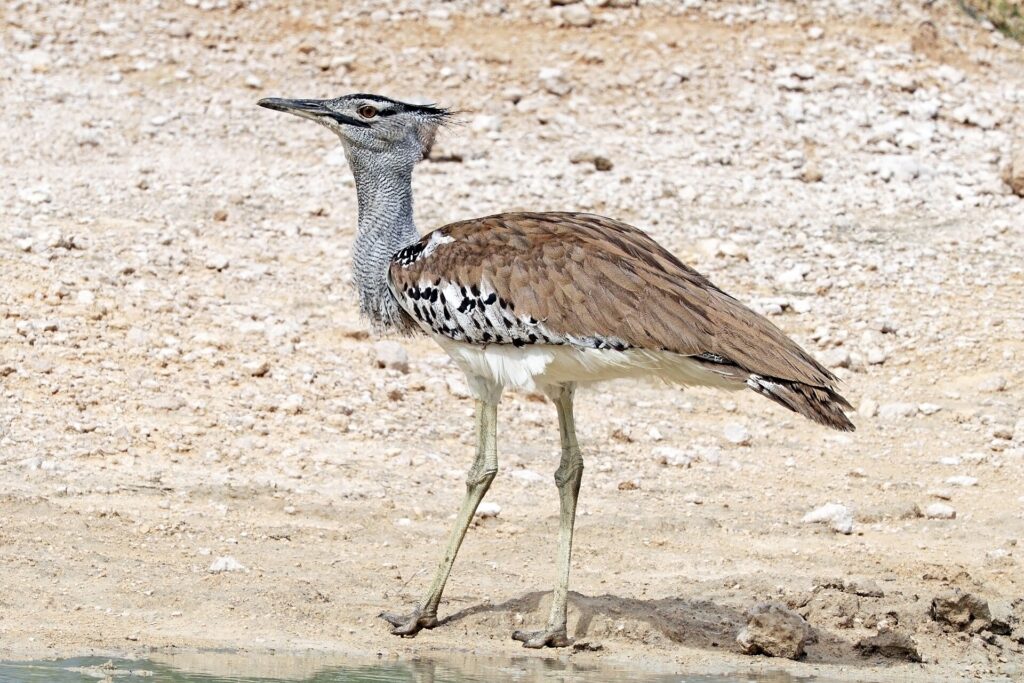
Etosha’s large ground birds are easy to overlook when visitors scan only for mammals. Shape, walking style, habitat and patient observation help separate bustards and korhaans.

Olifantsbad is a named Etosha waterhole, not a guaranteed elephant appointment. Its strongest visits combine patient observation, safe positioning and enough time for the wider route.

Mopane woodland can look quiet from a moving car, yet it supports browsing animals, birds and concealed predators. Slower observation reveals how this habitat works.

Elephants fill a frame much faster than expected. Begin wider, leave space for the moving trunk and feet, and let the animal—not the edge of the photograph—decide the composition.

Try