
Geotagging rhino sightings can reveal more than a visitor intends. Exact coordinates, a live caption, repeated waterhole names and visible ranger infrastructure may help strangers reconstruct where an animal spends time.
The safest rule is simple: share the experience, not the precise current location. Delay posting, remove location metadata and follow any stricter instruction from rangers, guides or conservation organisations.
Why geotagging rhino sightings can create risk
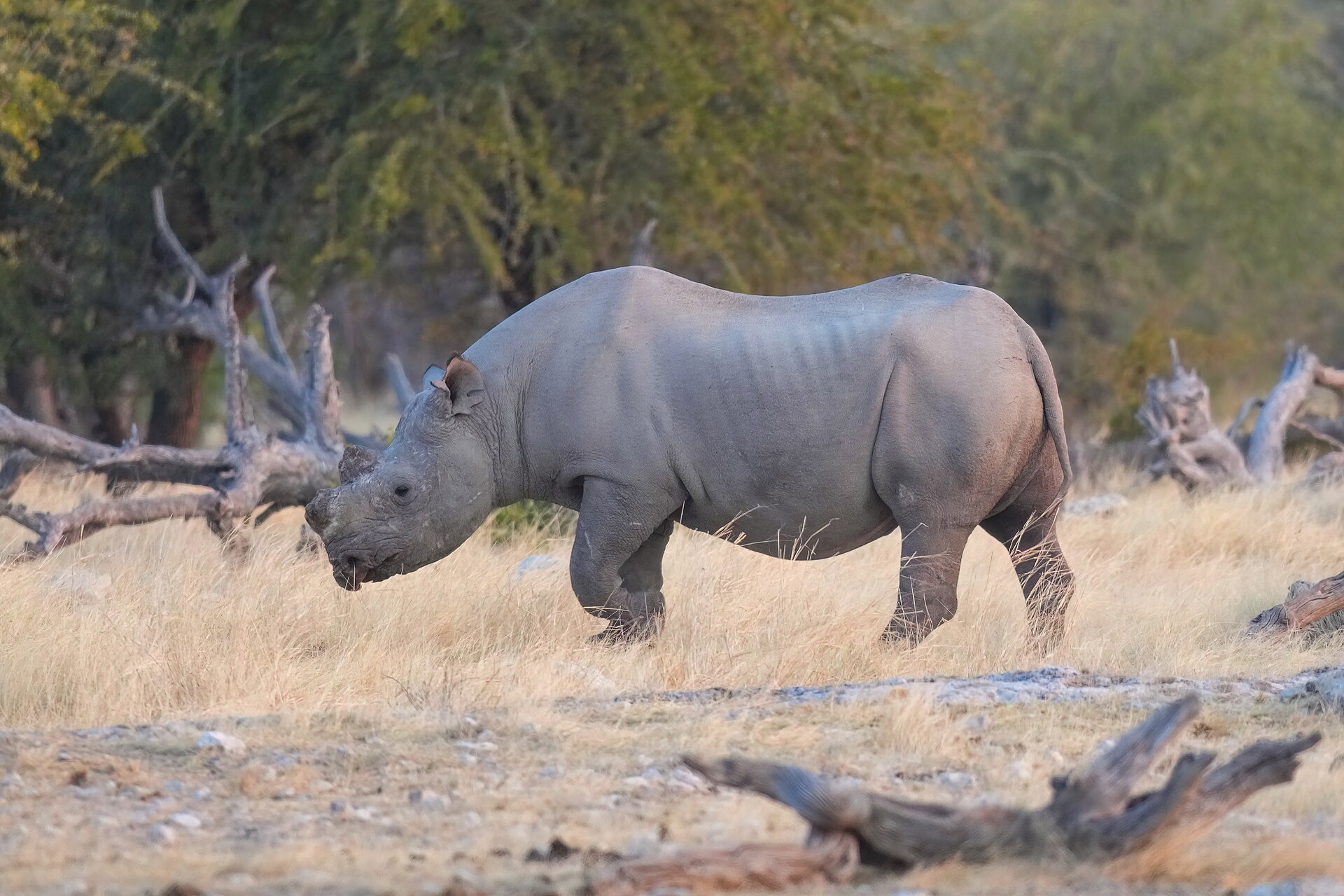
Save the Rhino International warns that geotagged photographs can be used to map identified rhinos and their home ranges. Sharing exact rhino, ranger or outpost locations can put animals and people in danger.
One post may seem harmless, but many posts can form a pattern. A waterhole name, timestamp and repeated background may narrow a location even when coordinates are removed.
Location clues inside and outside the image
| Clue | Example | Safer choice |
|---|---|---|
| EXIF/GPS metadata | Coordinates saved by phone or camera | Strip location data before upload |
| Live caption | “At this waterhole now” | Post later and use a broad region |
| Background | Road sign, ranger post or landmark | Crop or choose another frame |
| Sequence | Daily posts reveal movement | Delay and vary timing |
| Group message | Forwarded outside intended circle | Treat sensitive locations as non-shareable |
A safer workflow for sharing a rhino image
- Wait until you have left the area.
- Remove GPS and location metadata.
- Use “Etosha National Park” rather than a waterhole.
- Check the frame for signs and infrastructure.
- Avoid naming ranger routines or security measures.
- Follow guide and park instructions.
Do not invent a false precise location; that can redirect pressure to another sensitive place. Use an intentionally broad, truthful description.
Guides, tours and private group chats
A private chat is not guaranteed to remain private. Ask before forwarding a guide’s sighting note and never copy coordinates into a public group. Tour operators should brief guests before the first drive, not after a sensitive image has spread.
If another guest posts a live location, respond calmly and alert the guide or platform moderator where appropriate. Public confrontation may amplify the location further.
Report suspicious activity privately
Do not investigate suspected poaching or security activity. Record only what can be observed safely and report it directly to park staff or the appropriate authority. Avoid posting the allegation or location online.
Responsible wildlife viewing also includes vehicle space and quiet behaviour. Read quiet Etosha waterhole viewing and choose experienced providers through guided game-drive planning.
The conservation principle behind delayed sharing
- The animal’s safety outranks engagement.
- A broad location is enough for travel storytelling.
- Security infrastructure stays out of captions.
- Uncertain sightings remain uncertain.
- Ranger guidance overrides social-media habits.
Geotagging rhino sightings is avoidable. A delayed, de-identified post can still celebrate Etosha while protecting the information that a vulnerable animal cannot choose to disclose.
Geotagging rhino sightings: sharing questions
Is removing a location sticker enough?
Not always. The file may still contain GPS metadata, and the caption, timestamp, road sign or background can reveal the place. Review both the image data and the visible scene before posting.
How long should a post be delayed?
Follow the strictest guidance from park staff, guides or conservation organisations. The principle is to ensure that a post cannot be used as a live update on an animal’s position or security activity.
Can a waterhole name be shared later?
Broad location is usually enough for travel storytelling. For rhino and other sensitive species, leave out the waterhole even after departure when local guidance recommends it. The image does not lose value when the caption says only “Etosha National Park.”
What should tour groups agree before the first drive?
- No live sensitive-species locations.
- No ranger routines or security infrastructure.
- No forwarding coordinates from private chats.
- Location metadata removed before upload.
- Uncertain identifications remain uncertain.
What if a friend has already posted a location?
Contact the person privately and ask for the precise information to be removed. Tell the guide or relevant platform channel when necessary. Avoid reposting the screenshot publicly, which can spread the location further.
Geotagging rhino sightings creates avoidable risk because digital clues can be copied long after a holiday ends. Delayed, broad and de-identified sharing protects the animal while preserving the traveller’s story.
Geotagging rhino sightings summary: geotagging rhino sightings can expose exact places, repeated movement patterns and sensitive ranger activity. Avoid geotagging rhino sightings in real time, and discuss geotagging rhino sightings with the guide before anyone shares a group image.