
Never feed wildlife in Etosha—not from a vehicle, not at a picnic area and not because an animal appears curious. A small piece of food can change behaviour, draw animals toward roads and teach them that people and vehicles are a source of rewards.
Responsible viewing means letting wild animals choose where to move and what to eat. The following seven reasons explain why “just once” is not harmless and what travellers should do instead.
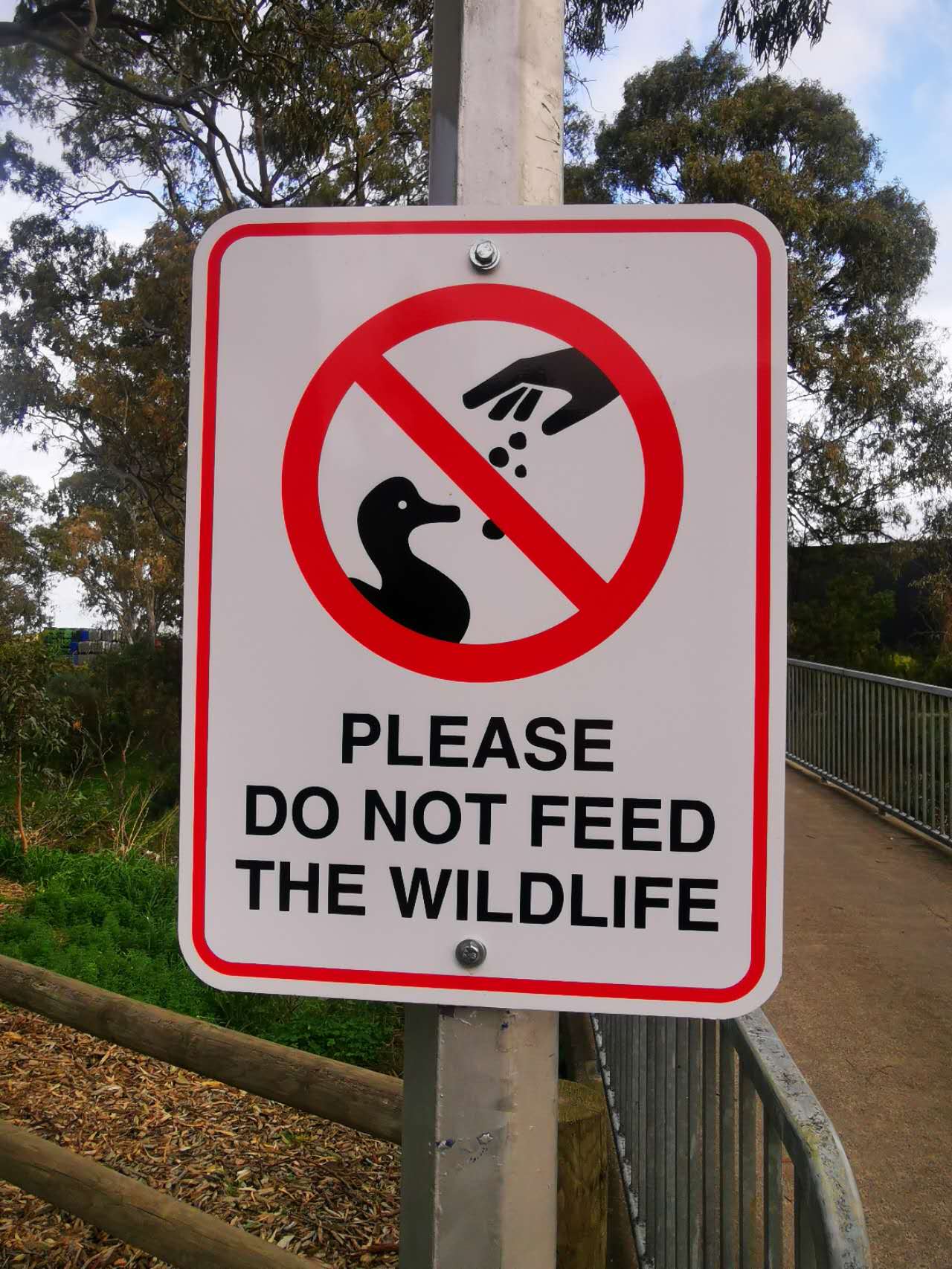
The simple rule: never feed wildlife in Etosha
Food includes obvious handouts, scraps thrown from a window and leftovers left beside a road or waterhole. It also includes deliberately opening a cooler where an animal can reach it. Secure food and rubbish so wildlife never receives a reward.
Park instructions and staff directions take priority. Namibia’s official nature-conservation regulations provide the legal framework for protected areas; visitors should also follow current notices at gates and camps.
1. Feeding changes wild behaviour
Wild animals normally spend time finding natural food, avoiding danger, defending space and responding to their own social groups. A handout can make a vehicle more interesting than the habitat. Repeated rewards can turn a cautious animal into one that approaches people persistently.
The phrase never feed wildlife in Etosha protects that distance. An animal that remains wary of vehicles is less likely to block a road, investigate an open window or follow visitors into a facility.
Curiosity is not hunger
An animal may look directly at passengers, approach a parked vehicle or remain nearby because it has learned that people sometimes drop food. This does not prove starvation. Interpreting every approach as a plea encourages the very behaviour that creates risk.
2. Never feed wildlife in Etosha human food
Bread, crisps, fruit peels and processed snacks do not match the normal diet of Etosha wildlife. Even foods that seem “healthy” can be nutritionally unsuitable, contaminated or offered in a quantity the animal would not encounter naturally.
A single visible handout can also invite several vehicles to repeat the mistake. The cumulative effect matters more than the size of one snack.
Do not leave “biodegradable” scraps
Orange peel, apple cores and other organic waste still change animal behaviour and do not belong beside the road. They can take time to break down, attract scavengers and make the park look neglected. Keep every scrap in the vehicle until it reaches an approved bin.
3. Food draws animals into road danger
When animals associate vehicles with food, they may wait near roads, approach moving cars or remain in traffic. That increases the chance of collisions and sudden braking. It can also create congestion as visitors stop in unsafe positions.
Never feed wildlife in Etosha is therefore a road-safety instruction as well as an animal-welfare rule. Keep hands and food inside, stop only where safe, and leave room for animals to cross without being surrounded.
Watch behaviour without changing it
An experienced guide can explain tracks, feeding strategies and social signals while maintaining appropriate distance. Explore guided Etosha tours for wildlife viewing built around patience rather than baiting or crowding.
4. Never feed wildlife in Etosha: habituation creates conflict
An animal that repeatedly receives food may become bold, demanding or aggressive when the expected reward does not appear. The next traveller may face behaviour caused by somebody else’s feeding.
Management responses to dangerous habituation can be serious for the animal. The kind choice is to prevent the pattern from starting. Close windows if an animal approaches too closely, keep food concealed and follow staff instructions.
Never reward an approach
If wildlife comes toward the vehicle, do not throw food to make it move away. That rewards the approach. Wait quietly where safe, create distance only when permitted and seek help if the animal blocks access or behaves unpredictably.
5. Feeding can spread disease
Several animals gathering around one food source can increase close contact, saliva contamination and competition. Human hands, packaging and leftovers can also carry substances that do not belong in the environment.
The US National Park Service explains that feeding wild animals can harm health, change natural behaviour and expose people to injury in its wildlife-feeding guidance. Although that agency manages US parks, the biological principles behind keeping wildlife wild apply broadly.
6. One handout affects more than one animal
Food scraps can attract birds, rodents, jackals, insects and predators. A seemingly small act may alter where animals spend time and how they interact. It can also draw predators closer to facilities or roads where people are present.
Etosha’s ecological relationships are not a visitor attraction to be rearranged for a photograph. Never feed wildlife in Etosha means respecting scavengers and common species just as much as lions, elephants or rhinos.
7. Feeding damages the safari experience
Natural behaviour is the reason people travel to Etosha. An animal begging beside a car is not a better sighting than one browsing, hunting, grooming or communicating on its own terms.
Feeding also pressures other visitors to break rules to compete for a closer photograph. Good safari etiquette protects quiet observation for everyone at the sighting.
What to do with food in the vehicle
- Use closed containers that cannot tip on rough roads.
- Keep snacks out of sight when wildlife is close.
- Collect crumbs, peels and wrappers immediately.
- Take rubbish to an approved bin.
- Do not place food on the roof, bonnet or ground for a photograph.
- Check the footwells before leaving a picnic or rest area.
A sealed bag for rubbish is a simple part of the never feed wildlife in Etosha routine. Store it where animals cannot reach it if the vehicle is opened at an approved stop.
How to explain the rule to children
Tell children that wild animals already have their own food and that a handout teaches them to approach cars. Give the child a responsibility such as checking that wrappers return to the snack bag.
Do not frighten children with exaggerated stories. A clear rule works: food stays inside the vehicle and every crumb leaves the park in the proper way.
Photography without bait
Never place food, scent or objects to pull an animal into a cleaner background. Use binoculars and an appropriate lens, remain on permitted roads and accept that the animal may face away or leave.
Photographs of natural feeding can be especially informative. Our guide to Etosha wildlife helps visitors understand common species and the foods they find for themselves.
What if another visitor feeds an animal?
Do not create a roadside confrontation that increases risk. Note the time, location, vehicle description and what happened, then report it to park staff at the next safe opportunity. Follow their instructions and avoid posting identifying claims online without evidence.
If an animal is in immediate danger, contact staff as soon as it is safe. Do not attempt to chase or restrain wildlife.
Never feed wildlife in Etosha even when food is accidental
Accidental access can teach the same lesson as a deliberate handout. Close cooler lids, do not leave a lunch bag on an open tailgate and sweep up food that falls at an approved stop. At campsites, store supplies according to local instructions and never leave pet food or cooking waste outside.
Food smells also matter
Animals may investigate packaging, braai equipment and bins that smell of food. Clean equipment after use, fasten rubbish securely and use only designated disposal points. Do not burn mixed waste or bury scraps.
Model the behaviour you want repeated
When one vehicle keeps a respectful distance and leaves without litter, other visitors see the standard. Calm conduct is especially important at busy waterholes where impatience can spread. The never feed wildlife in Etosha rule belongs with quiet voices, patient waiting and space for every animal to move.
Facilities and camp areas still contain wildlife
Birds, squirrels, mongooses and other small animals around camps are wild too. The rule does not disappear because an animal is common or comfortable near people. Secure food at campsites and do not leave bowls outside.
Ask accommodation staff about waste, braai and food-storage procedures. Their local instructions support the same never feed wildlife in Etosha principle.
A responsible-sighting checklist
- Keep food and hands inside the vehicle.
- Maintain a respectful distance.
- Do not block the road or animal’s path.
- Photograph behaviour without attracting it.
- Pack out every scrap and wrapper.
- Report serious rule-breaking calmly to staff.
A clean, quiet vehicle leaves no reward, no litter and no reason for an animal to approach the next traveller.
Keep Etosha wild
Never feed wildlife in Etosha because the result is not a harmless moment: it can change diet, movement, road use and expectations. The most respectful gift a visitor can offer is space to remain wild.
For a guided experience centred on ethical observation, contact Etosha Namibia and ask about suitable tours.