
Drinking water for Etosha should be planned as a daily supply plus a separate delay reserve, not as one magic number copied from another traveller. Heat, season, body size, health, activity, air-conditioning and the length of the drive all change what a person may need.
This guide gives a practical packing method without pretending to prescribe an exact intake. Anyone with heart, kidney or other medical conditions, pregnancy, or medicines that affect fluids should ask a qualified clinician for individual advice.
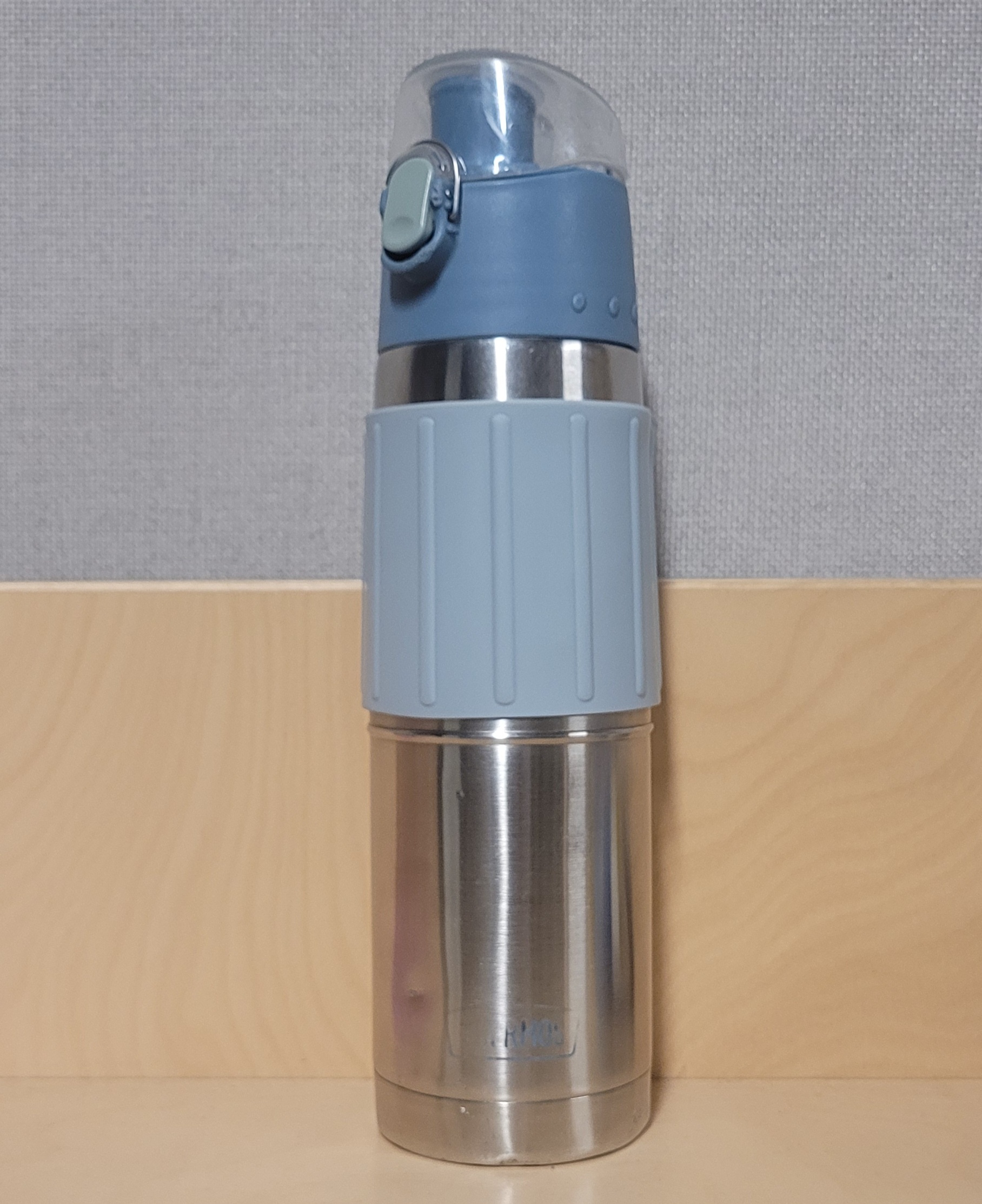
Why drinking water for Etosha has no universal figure
Two visitors can sit in the same vehicle and need different amounts. A child, an older adult, a pregnant traveller and a healthy adult photographer working outside the car do not have interchangeable requirements. Humidity, temperature and recent travel also matter.
Published numbers can help with logistics, but they should not become a command to drink too little or force excessive water. The safer goal is enough drinking water for Etosha to cover the expected drive, normal personal needs and an unexpected delay.
Drinking water for Etosha step 1: count travellers
List every person in the vehicle, including the driver and guide. Record who needs a personal bottle, who may forget to drink and who has professional medical instructions. Children should have water that an adult can monitor without waiting for them to ask.
Questions for each traveller
- How long will the person be away from a reliable supply?
- Are heat, age, pregnancy, illness or medication relevant?
- Will there be walking or other activity outside the vehicle?
- Does the person need water for medicine?
- Is a familiar bottle or drinking cup needed for a child?
Drinking water for Etosha step 2: map the day
Count the hours from departure until return, not only the time inside the gate. Add the transfer from accommodation, check-in or entry formalities, meals and the evening journey back. Then identify approved places where water is confirmed—not merely hoped for.
A short drive near a camp requires a different reserve from a long circuit near closing time. Build daylight and fuel margins at the same time as the drinking water for Etosha plan.
Step 3: divide daily water into personal bottles
Give each traveller an accessible, labelled container. This makes it easier to notice who has drunk very little and prevents the whole group from repeatedly handling one large bottle. Secure bottles so that corrugations do not turn them into projectiles.
Keep the day’s active supply inside the cabin where it can be reached without opening a door. Never leave a vehicle in an undesignated area to collect water from the boot.
Useful container features
- A lid that cannot pop open on a rough road.
- A shape that fits the vehicle’s storage.
- A wide opening that can be cleaned each evening.
- A visible label for families and groups.
- At least two containers rather than one single point of failure.
Choose stops that support a comfortable safari
Accommodation close to the right gate can reduce hot transfer time and make refilling simpler before an early drive. Compare Etosha accommodation and build the water plan around the actual gate, room or campsite.
Step 4: add a separate delay reserve
The reserve is not the first bottle opened. Store it securely and keep it available for a puncture, road closure, mechanical problem, unexpectedly long sighting or delayed gate process. Splitting the reserve between two containers protects against a leak.
The more remote or ambitious the drive, the more conservative the logistics should be. If the main supply is running down earlier than planned, turn back toward an approved facility rather than assuming the reserve permits another loop.
Step 5: store drinking water safely
Keep containers clean, closed and away from fuel, cleaning chemicals and excessive heat. A cooler or insulated bottle can make water more pleasant, but water does not need to be ice-cold to be useful.
Do not refill from an unverified natural water source. Confirm potable-water arrangements with the accommodation or park facility, and follow any current local notices.
Step 6: remember food, shade and rest
Drinking water for Etosha works best as part of a heat plan. Eat normal meals, use shade, wear light clothing and take breaks at approved facilities. Alcohol is unsuitable during a hot safari day and conflicts with safe driving.
The US Centers for Disease Control and Prevention advises travellers in hot climates to drink non-alcoholic fluids and take breaks in shade. Its hot-climate travel guidance explains warning signs and when urgent help may be needed.
Step 7: check the plan during the day
At each safe stop, note how much daily water remains and whether anyone has barely drunk. Headache, dizziness, nausea, weakness, unusual tiredness, reduced concentration or infrequent dark urine can be warning signs, although no single sign diagnoses dehydration.
If somebody becomes confused, faints, is unable to keep fluids down or shows possible heat-stroke symptoms, stop the safari and seek urgent professional help. Do not rely on this article for diagnosis or treatment.
How much should be in the vehicle?
Use this calculation framework rather than a single litre claim:
- Estimate each traveller’s normal needs for the full time away, using professional advice where relevant.
- Add water needed for medicines and any separately planned food preparation.
- Add a group reserve for a realistic delay.
- Split the total across secure containers.
- Review actual use after day one and adjust for conditions.
This method answers “how much?” with evidence from the real group and itinerary. It also prevents the opposite errors of carrying almost nothing or forcing everyone to meet an arbitrary target.
What about electrolyte products?
Electrolyte solutions are not automatically necessary for every ordinary game drive. They can be useful in specific circumstances, but brand instructions and professional medical advice matter. People with heart, kidney or blood-pressure conditions should be especially cautious about self-prescribing salt-heavy products.
Never let a sports drink replace the protected drinking water for Etosha reserve. Pack products separately and keep the water calculation clear.
Common packing mistakes
- Leaving all water in the boot where it cannot be reached safely.
- Carrying one container that could leak or spill.
- Counting an unconfirmed refill point as guaranteed.
- Using the emergency reserve for convenience early in the day.
- Ignoring children or older adults who do not ask for a drink.
- Extending the route when supplies are already lower than planned.
Drinking water for Etosha: questions before departure
Should the reserve be counted as normal daily water?
No. The point of a reserve is to remain available when the plan fails. Keep it separate from the personal bottles and decide in advance which container is the reserve. If it must be opened, the route should normally move toward an approved facility rather than continue farther away.
Can water be left in the vehicle overnight?
Heat and hygiene make a nightly reset preferable. Bring reusable bottles inside, wash them properly, refill from a confirmed potable supply and inspect lids for leaks. Replace any container that has picked up an unusual smell or contamination.
How should groups handle refills?
Assign one person to confirm the drinking water for Etosha supply before departure and again at the midday stop. A simple written checklist prevents the common assumption that somebody else filled the reserve.
What if a traveller dislikes warm water?
Use an insulated bottle or cooler, but do not let temperature preference become a reason to drink almost nothing. Keep one bottle cooler for comfort and the protected reserve safely stored. Ice and coolers are conveniences; confirmed clean water is the priority.
Does a guided drive change the plan?
Ask the operator what is supplied, then carry a personal bottle unless told otherwise. Do not assume the vehicle has unlimited water. A clear drinking water for Etosha plan remains useful even when somebody else drives.
Evening reset for the next drive
Wash and refill bottles, replace the sealed reserve and note how the weather affected consumption. Review the next route on our Etosha map, then shorten the circuit if confirmed refill points or daylight margins are weak.
A useful drinking water for Etosha plan is repeatable: personal bottles, a separate reserve, safe storage, regular checks and an early decision to turn back when conditions change.
Final vehicle check before the gate
Place personal bottles where seat belts and doors remain unobstructed, confirm the reserve is sealed and ask each traveller to show that a bottle is present. Check the cooler lid, remove yesterday’s empty containers and keep one small bottle available for medicine if required.
Write the planned return time and accommodation contact number on the route note. If water use, heat or delays make that plan unrealistic, shorten the drive. The best drinking water for Etosha system supports an early, calm decision—not an argument when the supply is nearly gone.
Pack for comfort and for delay
There is no responsible single answer for every traveller. Carry enough for the actual people and itinerary, protect a reserve, and use health advice that reflects individual circumstances.
For accommodation and route planning that keeps drive days realistic, contact Etosha Namibia with your dates and group details.