
Wildlife waits with children become easier when adults stop treating patience as a test of character. A quiet waterhole can be fascinating for ten minutes and unbearable after forty, especially in heat, hunger or a vehicle with poor visibility.
The aim is not to train a child to sit silently for an adult’s dream sighting. It is to build short, age-appropriate observation into a day with movement breaks, food, toilets and several chances to leave without disappointment.
Set the rules before arriving, choose a realistic time window and give children an active role in looking. A well-managed twenty-minute wait can teach more than a tense two-hour vigil.
In this guide
- Set a time limit before stopping
- Prepare quiet activities
- Make every child an observer
- Manage food, heat and toilets
- Know when to leave
- Nine family waiting strategies
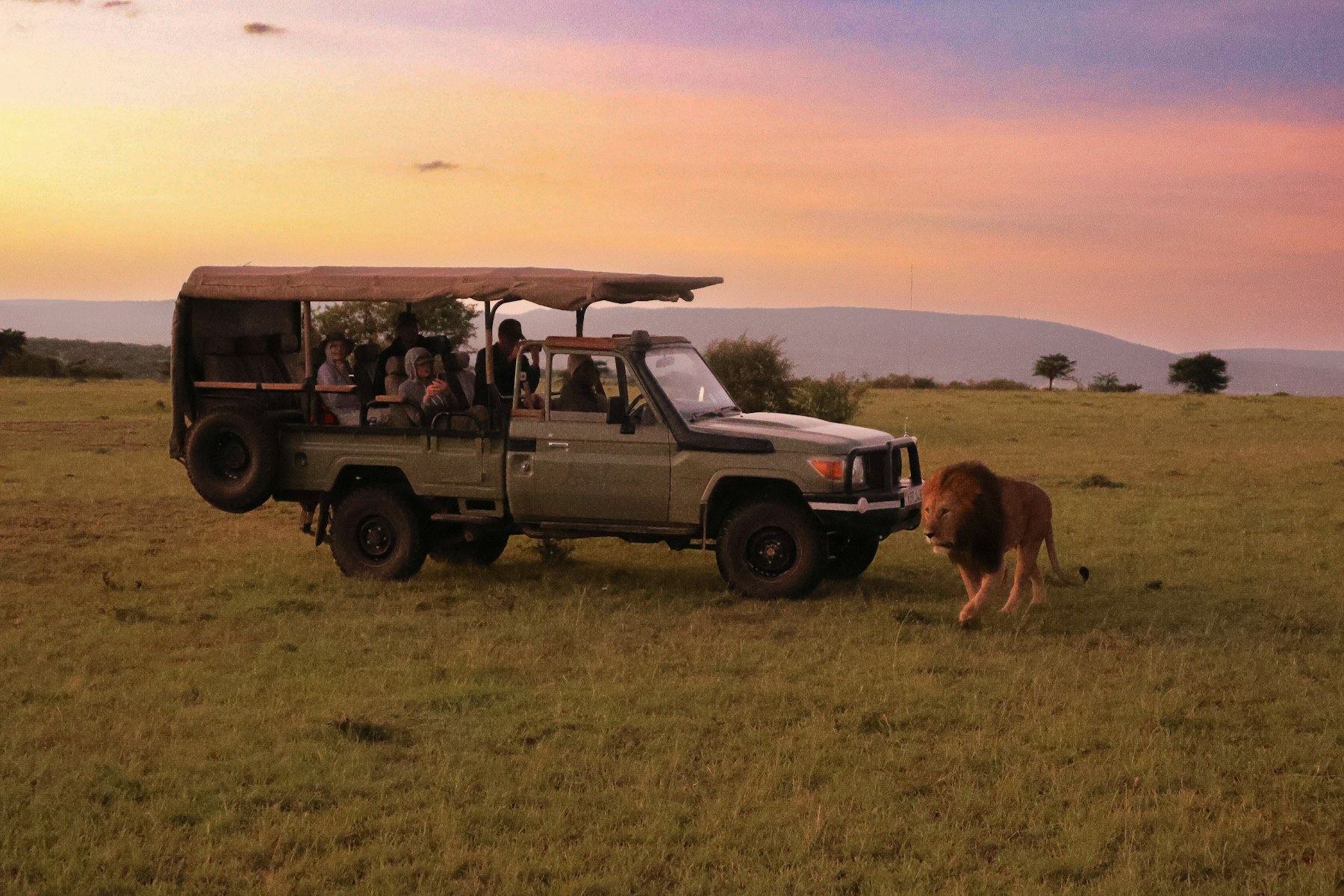
Plan wildlife waits with children before the sighting
Agree on a first wait—perhaps 15 or 20 minutes—before parking. Adults can extend only if the children are comfortable and something meaningful is developing. A visible timer avoids repeated arguments about “five more minutes.”
Explain that wildlife is not scheduled. The family is visiting an animal’s habitat, not ordering a performance. Celebrate tracks, birds, dust and behaviour so the stop does not become lion-or-nothing.
Choose the right stop and vehicle position
Pick a legal space where every child has a view and the driver can leave without asking several vehicles to move. Do not block the road or park so close to another car that opening a window becomes a conflict.
Shade, wind direction and the sun on a child’s side of the vehicle matter. A slightly less famous waterhole with a comfortable position may be better than a crowded hotspot. Keep bodies inside and follow park instructions at all times.
| Child signal | Likely need | Useful response |
|---|---|---|
| Repeated seat movement | Poor view or discomfort | Adjust seating at the next safe stop. |
| Constant snack requests | Hunger, thirst or boredom | Use the planned break, not endless treats. |
| Loud questions | Needs an active role | Give a spotting or counting task. |
| Headache or sleepiness | Heat, dehydration or fatigue | End the wait and address wellbeing. |
Quiet activities that still belong to the safari
Offer a small checklist: find three bird shapes, compare ear movements, draw the waterhole map or count how many species share the area. Binoculars sized for the child make participation easier than borrowing heavy adult equipment.
Avoid loud electronic games and bright videos at a shared sighting. An offline nature app with the screen dimmed can help identify a bird, but the best task turns attention back outside.
Give the family a comfortable safari base
A well-located lodge or camp makes it easier to return for toilets, meals and a midday reset instead of keeping children in the vehicle all day.
Food, water and heat management
Carry water that children can reach without unpacking the boot. Choose tidy snacks with little smell or wrapper noise and follow all rules about eating. A hungry family is unlikely to make good wildlife decisions.
Use hats, sunscreen, light layers and vehicle shade. Never cover a child so heavily that airflow suffers. If anyone feels unwell, wildlife viewing ends immediately; move to the appropriate safe facility and seek help when needed.
The driver’s attention is not available for childcare
Assign another adult to manage snacks, binoculars and questions whenever possible. The driver must remain aware of traffic, animals and a clear exit route.
Give children permission to stop
Create a family signal that means “I need a break.” Honour it before frustration turns into noise or tears. The adult who wants to remain can return alone later only if supervision, park rules and the itinerary allow.
Leaving a quiet waterhole is not failure. The next sighting may be on the road, near camp or after a rest. Protecting the child’s trust makes future waits easier. For broader preparation, use the site’s Etosha with young children guide.
Nine easy family waiting strategies
Rotate these ideas so every stop does not feel like the same lesson.
- Agree on a first time limit.
- Choose a position with a child-height view.
- Give each child one species or behaviour to watch.
- Use a picture checklist instead of a long lecture.
- Plan water and a quiet snack.
- Add a toilet stop before the longest circuit.
- Alternate vehicle waits with legal camp movement breaks.
- Praise observation, not silence alone.
- Leave while the experience is still positive.
A realistic family waterhole rhythm
Start with a short dawn loop, return for breakfast, then choose one or two deliberate waits rather than stopping for long periods at every waterhole. After lunch and rest, use a shorter afternoon circuit that ends before everyone is exhausted.
The official Namibia Wildlife Resorts Etosha information helps families confirm current accommodation and facility contacts. Verify age rules for any guided activity before promising it to children.
A group-ready wildlife waits with children briefing
This briefing turns wildlife waits with children into a shared routine that respects different ages, health needs and attention spans. Read the relevant points together, give each adult a role and keep the exit option available without presenting it as failure.
1. Plan wildlife waits with children before the sighting
Brief the group about “Plan wildlife waits with children before the sighting” before entering the vehicle. Explain the purpose, first time limit, safe behaviour and how anyone can request a break. wildlife waits with children works when children and adults know the plan before hunger, heat or excitement makes a calm conversation difficult.
2. Choose the right stop and vehicle position
Make “Choose the right stop and vehicle position” accessible without unpacking the boot. The passenger—not the driver—should reach water, medication, a quiet activity and necessary food. This simple arrangement protects attention and keeps wildlife waits with children from creating repeated roadside stops or unsafe searching while the vehicle moves.
3. Quiet activities that still belong to the safari
Use “Quiet activities that still belong to the safari” to assign one active role to each traveller. A child can watch a direction, count behaviours or hold a picture checklist; an adult can manage time or equipment. Shared roles make wildlife waits with children participatory without demanding that everyone maintain the same concentration span.
4. Food, water and heat management
Agree on a comfort check around “Food, water and heat management”: thirst, toilet need, temperature, visibility and motion sickness. Ask directly rather than waiting for irritability. wildlife waits with children must change when wellbeing changes, even if another vehicle predicts a rare animal or the planned timetable looks neat on paper.
5. Give children permission to stop
Prepare a low-noise alternative for “Give children permission to stop”. Drawing, a simple identification card or a quiet snack can reset attention without filling the vehicle with bright video and wrapper sounds. The alternative supports wildlife waits with children; it is not a reward withheld until a child performs adult-style patience.
6. Nine easy family waiting strategies
Keep medical and dietary needs separate from general advice about “Nine easy family waiting strategies”. Follow the traveller’s clinician, prescription and product instructions. A blog can support organisation, but wildlife waits with children must never encourage fasting, heat exposure, sunscreen use or medication changes that conflict with personalised care.
7. A realistic family waterhole rhythm
Let the driver remain outside management of “A realistic family waterhole rhythm”. Another adult handles questions, lids, binoculars and dropped items. When only one adult is travelling, the vehicle must stop in an authorised safe place before attention shifts. wildlife waits with children never justifies distracted driving.
8. family waterhole waits
Use a visible end condition for “family waterhole waits”. It may be a timer, facility stop, temperature, symptom or departure deadline. Honouring that condition builds trust. wildlife waits with children becomes much harder on later days when adults repeatedly move the agreed finish because they want one more photograph.
9. children on safari
After “children on safari”, ask each traveller for one observation and one improvement. A child may remember a bird, cloud or sound that adults missed. This short debrief turns wildlife waits with children into shared learning and reveals practical changes for seating, food, layers or the length of the next circuit.
10. quiet safari activities
End the day by repacking “quiet safari activities” before bed and confirming the next start. Rest is a safety control, not lost safari time. Good wildlife waits with children planning protects sleep, driver concentration and the family’s willingness to enjoy another early morning rather than turning the trip into endurance.
11. Etosha family planning
Use “Etosha family planning” to decide seating before departure. Place a shorter traveller where the window and headrests allow a view, keep required child restraints correct and avoid bags on laps. wildlife waits with children becomes calmer when everyone starts with a fair viewing position instead of negotiating at the first sighting.
12. Set a time limit before stopping
Prepare the language for “Set a time limit before stopping”. Replace “be quiet or we will miss the lion” with a clear reason such as listening for calls or respecting nearby viewers. Positive explanations make wildlife waits with children understandable and avoid blaming a child when wildlife simply does not appear.
13. Prepare quiet activities
Build a weather alternative around “Prepare quiet activities”. Wind, rain or extreme heat may shorten a drive, change clothing or cancel an activity. Good wildlife waits with children offers a lodge, camp or travel-day substitute so adults do not push the original plan merely because money or anticipation is invested in it.
14. Make every child an observer
Use “Make every child an observer” to protect privacy and dignity. Ask before photographing family members in vulnerable moments, avoid sharing children’s location in real time and keep health details confidential. wildlife waits with children planning includes digital safety as well as vehicle and wildlife safety.
15. Manage food, heat and toilets
Recognise different definitions of success around “Manage food, heat and toilets”. One person may value a rare bird, another a comfortable sunrise and a child a giraffe crossing the road. wildlife waits with children improves when the day includes several small wins instead of demanding unanimous excitement about an adult target species.
16. Know when to leave
Finish “Know when to leave” with a genuine choice about the next activity. Offer two safe options with clear trade-offs rather than a false choice that both lead to another long drive. Shared control makes wildlife waits with children more sustainable across several days and surfaces fatigue before it becomes a safety problem.
Choose only the parts of the wildlife waits with children briefing that suit the group. A shorter routine followed consistently is better than a perfect checklist abandoned after one morning. Protect comfort early and the family will have more patience for genuine wildlife surprises. At the evening debrief, let each person remove one step that felt unnecessary and add one that would improve tomorrow. Keep medical, dietary and restraint requirements fixed even when the optional routine changes. This makes the plan genuinely shared while protecting the non-negotiable controls that adults must maintain.
Set a family limit for wildlife waits with children
Agree on a first time block before beginning wildlife waits with children. Wildlife waits with children succeed when observation has a task and leaving is allowed. Rotate short wildlife waits with children through meals, toilets and legal movement breaks.
Wildlife waits with children: quick answers
Age, temperament and weather matter more than one universal waiting time.
How long should a child wait at a waterhole?
Begin with a short agreed period such as 15–20 minutes and reassess. Younger or tired children may need less; an engaged older child may happily watch longer.
Are tablets appropriate?
A dim, silent identification app can be useful briefly, but video and games distract from the shared sighting. Keep a non-digital quiet activity ready.
What if a predator is expected?
An expectation is not a guarantee. Do not extend a miserable wait because another visitor predicts a lion. Leave when family wellbeing or the schedule requires it.
How can siblings share binoculars?
Give each child a short timed turn or provide lightweight pairs when practical. Avoid passing equipment while the vehicle is moving.
Should snacks be used as rewards?
Regular planned food works better than bribing silence. Choose tidy, low-noise snacks, keep waste secure and follow park rules.
What is the best sign to end a wait?
Heat symptoms, toilet urgency, unsafe behaviour, escalating conflict or driver fatigue all mean the stop should end immediately.
Make patience achievable
Short waits, active observation and a reliable exit plan turn family safari time into curiosity rather than endurance. The best sighting is one the whole group can enjoy safely.