













Ekoto Selfcatering Camp
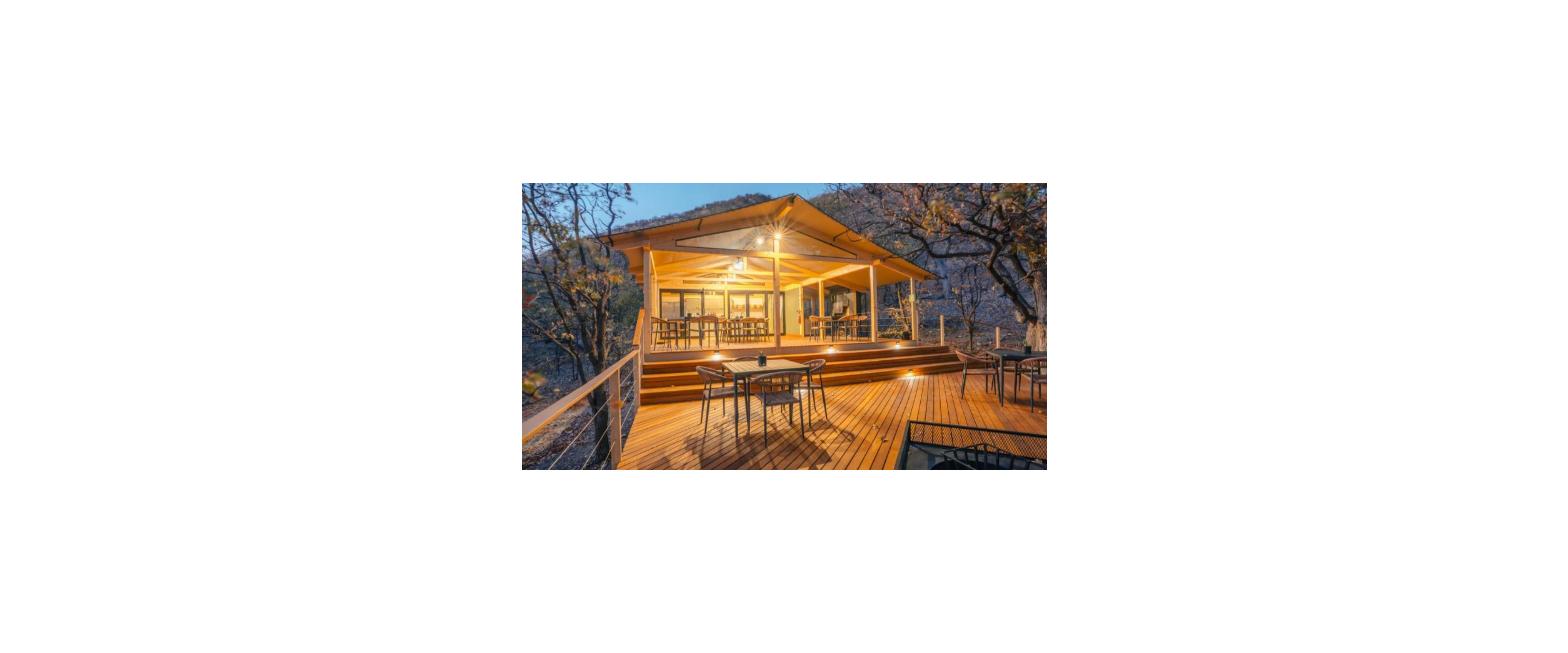
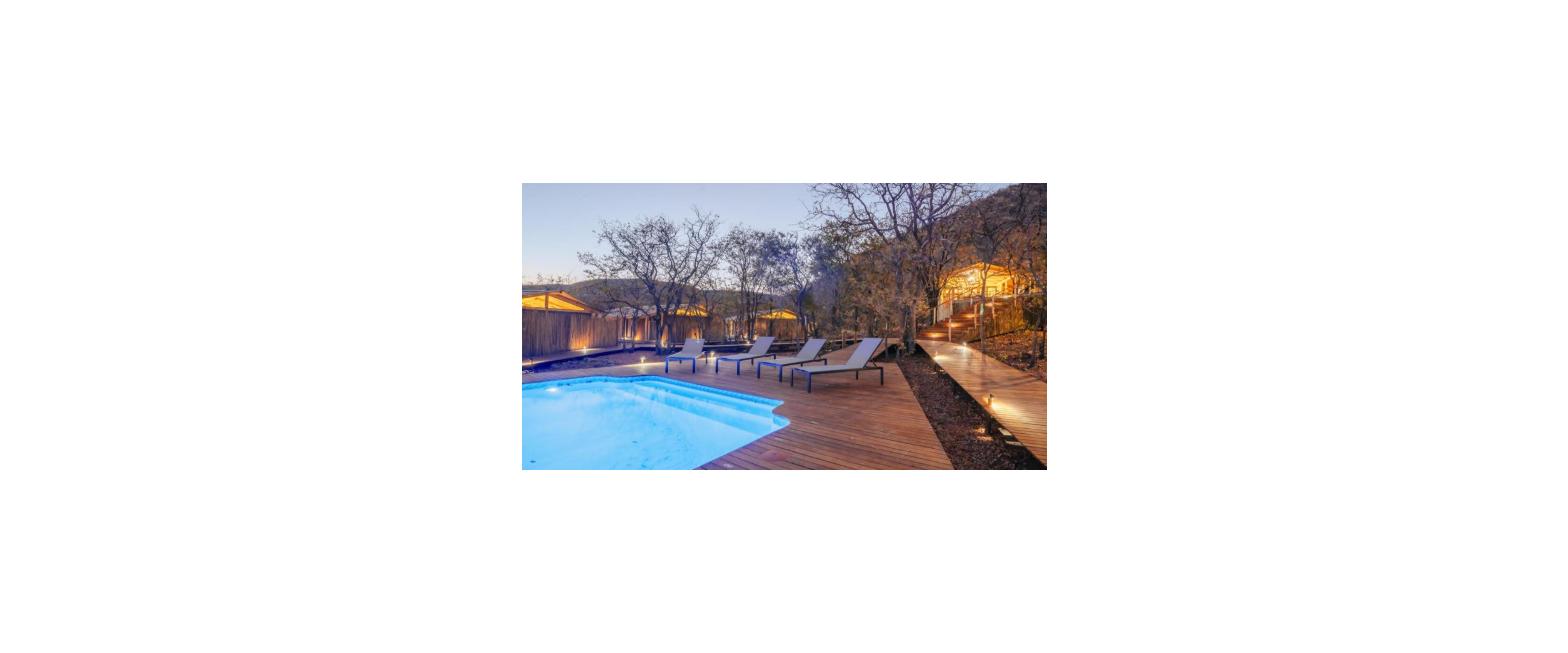
Ekoto Selfcatering Camp is a small architect-designed camp tucked into a rocky valley in the Kunene region, north of Kamanjab along the C35. Built through a partnership with the local Orupupa Conservancy, its self-catering cabins are set on raised timber decks among the hillside trees, giving each unit privacy and wide views over the surrounding valley. The camp makes a distinctive, community-linked overnight stop for travellers following the northern Kunene and Kaokoland routes.
Location and Getting There
Ekoto Selfcatering Camp lies off the C35 north of Kamanjab, in a rocky valley within the Orupupa Conservancy. Roads in this part of the Kunene region are largely gravel, and a higher-clearance vehicle is recommended, particularly after rain. The camp is best reached from Kamanjab or Outjo, both of which have fuel and basic supplies for the onward journey into Kaokoland.
Facilities and Design
Each self-catering cabin stands on a raised timber deck among the hillside trees, giving guests privacy and wide views over the valley below. As a self-catering property, guests should bring their own food and supplies before arrival, since there is no on-site restaurant. The architect-designed cabins reflect the camp’s community partnership with the Orupupa Conservancy, and proceeds from the camp support the surrounding conservancy area.
Best Suited For
Ekoto suits self-drive travellers who enjoy independent, self-catering stays and want a quieter, community-supporting alternative to conventional lodges. Its location makes it best suited to those already exploring the wider Kaokoland and Kunene circuit rather than a simple one-night stop directly on the Etosha route, though it remains a workable overnight option for travellers heading further north from Kamanjab.
Combining with an Etosha Itinerary
Travellers can combine a stay at Ekoto Selfcatering Camp with time in western Etosha, approaching or leaving via Kamanjab, and continuing north into Kaokoland or south towards Palmwag and the Grootberg Pass. For general planning advice on visiting the park, see the Etosha Travel Tips page.
Practical Considerations
The camp lies off the C35 north of Kamanjab; roads in this part of the Kunene region are largely gravel, and a higher-clearance vehicle is recommended, particularly after rain. As a self-catering property, guests should bring their own food and supplies from Kamanjab or Outjo. Advance booking is recommended given the camp’s small size.
Nearby Alternatives
For other options in the same area, see the Kamanjab Area accommodation listings, including Grootberg Lodge, Palmwag Lodge, Safarihoek Lodge and Okamanja Lodge, or browse the full Etosha & Enroute Accommodation archive.
Booking and Availability
Book Ekoto Selfcatering Camp through the booking options below to check current rates and availability for this community-linked Kunene camp.
The Orupupa Conservancy and Conservation
Ekoto Selfcatering Camp forms part of a partnership with the Orupupa Conservancy, one of the community conservancies that make up Namibia’s well-regarded communal conservation network. Income from the camp supports conservancy management in an area shared with desert-adapted wildlife, including elephant and, at times, black rhino, giving guests a direct link between their stay and local conservation efforts. This model has become an important part of tourism across the wider Kunene region, where community conservancies work alongside lodges and camps to protect habitat outside formal national parks.
Wildlife and Scenery
The valley setting around Ekoto is typical of the wider Kunene region, with rocky outcrops, mopane woodland and open plains supporting desert-adapted species that have become well known internationally, including the region’s free-ranging desert elephants. Guests exploring further afield from the camp, whether self-driving or with a local guide, may also encounter Hartmann’s mountain zebra, springbok and a wide range of birdlife typical of this arid part of Namibia.
Because the camp is small and community-run, advance planning helps ensure availability, especially during the busier July to October travel season when self-drive traffic through Kaokoland and the wider Kunene region increases significantly.