
Etosha safari snacks have a harder job than ordinary road-trip food. They sit in a hot vehicle, need to be eaten quietly, should create little litter and must not leave sticky hands on binoculars or camera controls. The right choices also reduce pressure to skip water or rush back to camp.
Separate shelf-stable snacks from food that genuinely needs a cold chain. A cooler helps only while it remains cold, closed and shaded. If a perishable item has warmed beyond safe limits, discard it rather than gambling with the rest of the safari.
Never feed wildlife, deliberately or through crumbs and unsecured rubbish. Pack every wrapper, peel and food scrap out of the vehicle stop and dispose of it in an appropriate closed bin.
In this guide
- What makes a snack vehicle-friendly
- Fifteen practical choices
- Cold-chain food safety
- Hydration and salt
- Family and allergy planning
- A no-litter snack system
The four tests for Etosha safari snacks
A useful snack tolerates the expected temperature, can be portioned before the drive, is manageable with one hand and does not create strong smells or messy waste. It should also fit the health needs of the person eating it.
Chocolate, soft fruit, creamy fillings and greasy foods may taste good at camp but perform poorly after hours in a vehicle. Choose texture and packaging for the real conditions, not an ideal picnic table.
| Test | Good sign | Warning sign |
|---|---|---|
| Heat | Shelf-stable or properly chilled | Melts, spoils or separates quickly |
| Mess | Dry, bite-sized portion | Sticky coating or loose crumbs |
| Noise | Quiet reusable container | Repeated crackling wrappers |
| Waste | Minimal, sealable remains | Peels, drips or light plastic |
Fifteen hot-vehicle snack ideas
Mix protein, carbohydrate and fruit options so the group does not rely on one salty or sugary item. Check labels, allergies and storage instructions for every product.
- Unsalted or lightly salted mixed nuts
- Roasted chickpeas
- Shelf-stable seed crackers
- Whole-grain crispbread
- Dried fruit in small portions
- Biltong or commercially prepared jerky stored as labelled
- Nut or seed butter sachets
- Firm whole apples
- Firm naartjies kept cool where possible
- Bananas eaten early in the day
- Oat bars without meltable coatings
- Pretzels in a reusable tub
- Plain popcorn prepared before departure
- Shelf-stable tuna or bean snack packs where suitable
- Electrolyte product used according to its label and personal health advice
Use the cooler as a controlled system
Pre-chill food and the cooler, use adequate ice or frozen packs, and keep it shaded. A drink cooler opened every few minutes loses cold faster than a separate food cooler. Store items in watertight containers so meltwater does not contaminate them.
The USDA’s outdoor food-safety guidance recommends cold sources for perishable foods and notes that food exposed to high temperatures can become unsafe quickly. When the cold chain is uncertain, choose shelf-stable food.
A cooler is not automatically a refrigerator
If the ice has melted and food is no longer properly cold, do not keep perishable leftovers for later. Pack a thermometer if the group depends on chilled meals.
Hydration is separate from snacking
Salty snacks can increase thirst, while sweet snacks may briefly mask fatigue. Carry accessible drinking water for each passenger and a separate delay reserve. Do not replace water with caffeinated or sugary drinks as the only fluid source.
Use a bottle system that does not leak on cameras or maps. Label bottles for each person and check progress at planned stops. The driver must drink too; avoiding water to reduce toilet breaks creates a safety problem.
Choose a stay that makes early-drive meals easier
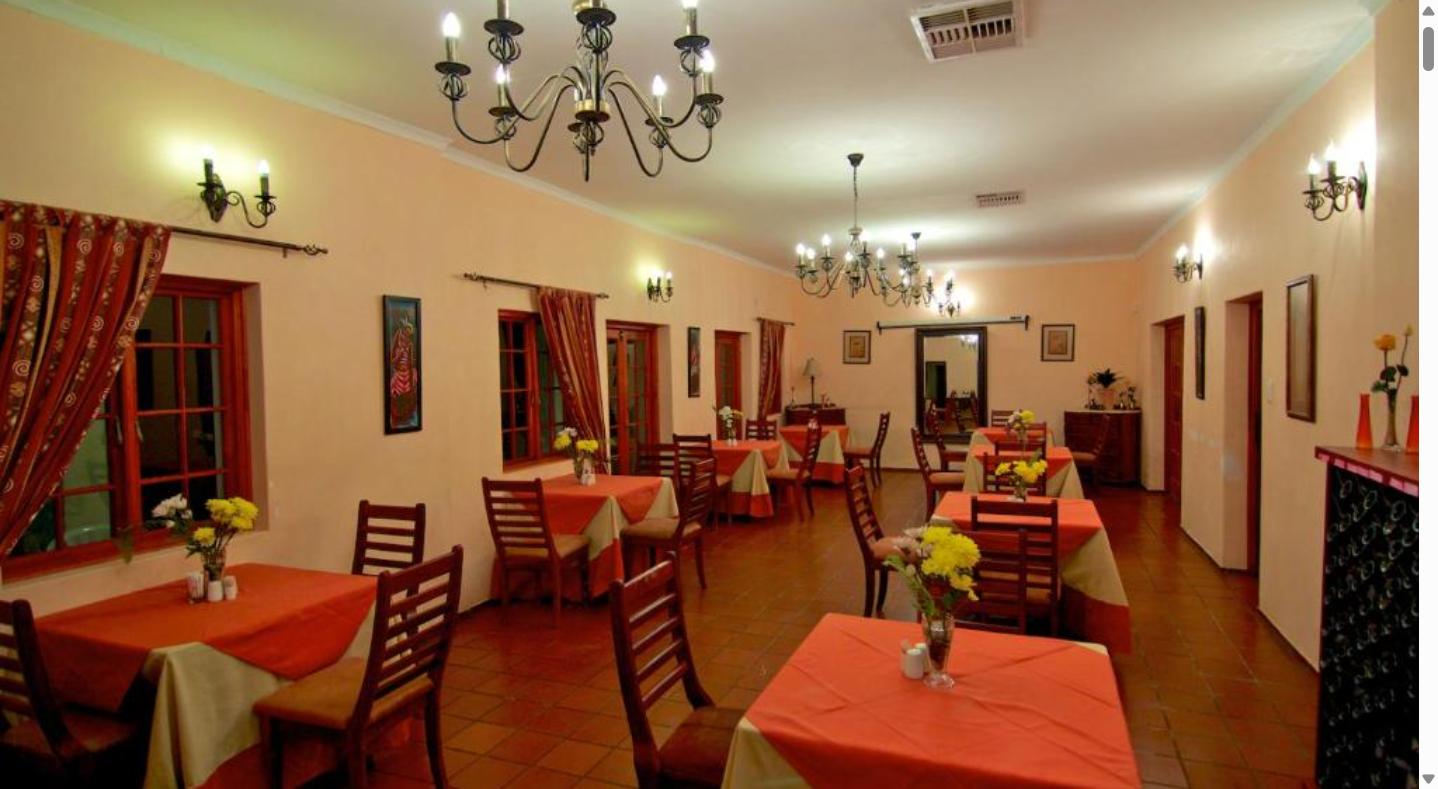
Breakfast packs, refrigeration and a sensible location can simplify full-day game-drive food. Compare Etosha accommodation and confirm meal services directly.
Pack for allergies, children and medication
Keep allergen-free food clearly separated and read labels every time. Shared nut containers are unsuitable when someone has a serious nut allergy. Travellers with diabetes, kidney disease or other dietary needs should obtain personalised advice and carry appropriate emergency food or medication.
For children, choose safe shapes and textures for their age and insist that eating happens while seated. Avoid round choking hazards and foods that require cutting while the vehicle is moving. An adult should manage portions, rubbish and hand cleaning.
A quiet no-litter snack setup
Portion food into reusable containers before leaving camp. Give each row one sealable rubbish pouch and one packet of wipes or a hand-cleaning method. Open noisy packaging before a sensitive sighting, not during it.
At the end of the drive, check door pockets, seat gaps and the ground beside the vehicle at authorised stops. Fruit peel is still litter and can attract or harm animals. Nothing edible belongs outside the vehicle.
- One reusable snack tub per passenger
- One leakproof rubbish container per row
- Hand-cleaning supplies
- Separate allergen-safe container
- Cooler thermometer where perishables matter
- Emergency food stored apart from casual snacks
Choose snacks by drive length
A two-hour loop may need water and one small snack; a full day needs several portions plus a proper meal plan. Packing too much creates clutter and waste. Packing too little can make the group cut short a good sighting or rely on unsuitable food.
Use the route to decide when toilets and picnic areas are realistically available. Eat substantial meals at camp or accommodation where possible, then keep the vehicle food simple.
Link snacks to the wider travel plan
Confirm whether the accommodation provides breakfast packs, packed lunches or a fridge. A useful service can reduce shopping, but ask what the package contains and how it should be stored. Do not assume a breakfast box is safe for an entire hot day.
The site’s guide on why wildlife should never be fed explains the behavioural and safety consequences of food access. Snack management is part of responsible wildlife viewing.
Etosha safari snacks questions
Food labels and individual health needs always take priority over a generic snack list.
Which Etosha safari snacks cope best with heat?
Shelf-stable nuts, roasted pulses, dry crackers, dried fruit, uncoated oat bars and appropriately stored commercial jerky are practical. Check every product’s label and allergies.
Can sandwiches stay in the vehicle all day?
Perishable fillings require reliable cold storage. Use a properly packed cooler and discard food that has not remained safely cold.
Is fruit peel safe to throw outside?
No. Peel is litter, can attract animals and changes natural feeding behaviour. Seal it in the vehicle and dispose of it correctly.
Should travellers bring chocolate?
Chocolate often melts and creates sticky hands and packaging. Keep it properly cool or choose an uncoated bar that performs better in heat.
How can wrappers be kept quiet?
Portion snacks into reusable containers before departure. This reduces crackling, litter and repeated searching during sightings.
Are salty snacks useful?
A small amount may be enjoyable, but very salty food can increase thirst and is unsuitable for some health conditions. It does not replace water or medical advice.
What food is suitable for children?
Choose age-appropriate textures and shapes, avoid choking hazards, supervise eating and plan for allergies. Eating should happen while the child is seated safely.
How much food should a day drive carry?
Match portions to drive length, passenger needs and available meal stops. Carry a small emergency reserve without filling the vehicle with unnecessary food.
Can a cooler be opened repeatedly?
Every opening admits warm air. Keep drinks and perishable food in separate coolers where practical and return food promptly.
What is the most responsible snack rule?
Leave no food or packaging where wildlife can access it. Check the vehicle and authorised stop before moving on.
A practical Etosha safari snacks note
Use this Etosha safari snacks guide as a planning aid, then confirm conditions with park staff, accommodation hosts or an authorised guide. A sound Etosha safari snacks decision combines current local information, realistic driving time and respectful behaviour. Keep this Etosha safari snacks checklist available offline, and adapt the Etosha safari snacks plan when weather, wildlife activity or gate times change.
Pack food that supports the safari
Keep the snack system cool, quiet and litter-free, then choose accommodation services that reduce early-morning preparation.