

Stay around Etosha
Campsites
Campsites inside the fence and on the farms outside it, with the pitch and ablution detail a self-drive trip turns on.
- Campsites listed16
- Inside Etosha4
- Near Etosha / Gate Area4
- En Route8
- Best suited toSelf-drive travellers carrying their own tent, roof-top tent or camper.
Is camping right for you?
Camping is the cheapest way to stay in and around Etosha, and the only way to sleep inside the park without paying rest-camp room rates. The government camps at Okaukuejo, Halali and Namutoni all have campsites alongside their rooms, and Olifantsrus is campsite only, so you can camp inside the fence and still walk to a floodlit waterhole after dark.
It also asks the most of you. You need your own tent or roof-top tent, bedding, cooking equipment and water discipline, and you need to be comfortable pitching in the heat and packing down in the dark.
What you get
- Far cheaper than any built room, inside the park or outside it
- Inside the fence, the floodlit waterholes are a short walk away
- Private campsites outside often have more shade, power and private ablutions
What you give up
- You carry and cook everything yourself
- Park campsites get busy and hot in peak season and need booking well ahead
- Facilities range from a shared ablution block to a private bathroom per pitch
A rest-camp room costs several times as much for the same location. A guest farm or lodge outside the gates gives you a bed and a kitchen you do not have to carry.
About camping around Etosha
Campsites are the most affordable way to stay in and around Etosha, and suit self-drive travellers with their own tent, roof-top tent or camping vehicle rather than those wanting a made-up bed. The government-run camps at Okaukuejo, Halali and Namutoni all include campsites alongside their standard rooms, letting you camp inside the park itself and still reach the floodlit waterholes on foot after dark, which is a genuine advantage over camping outside the gates. Private campsites at guest farms and lodges around Outjo, Kamanjab and other gateway towns tend to offer more shade, better facilities such as private ablutions, and sometimes a swimming pool, though you lose the inside-the-park convenience. Facilities vary considerably between sites, from basic pitches with shared ablution blocks to well-equipped sites with power points and braai areas, so check what is included before booking, particularly in peak season when the park campsites can be busy. Camping requires your own equipment and, for the park campsites, a vehicle capable of reaching the site comfortably. See our self-drive guide for planning a self-drive camping route, and our Okaukuejo, Halali and Namutoni area guides for camping inside the park.
Choose a campsite by area
Camping inside the fence and camping outside it are two different trips. Start with which one you are planning.
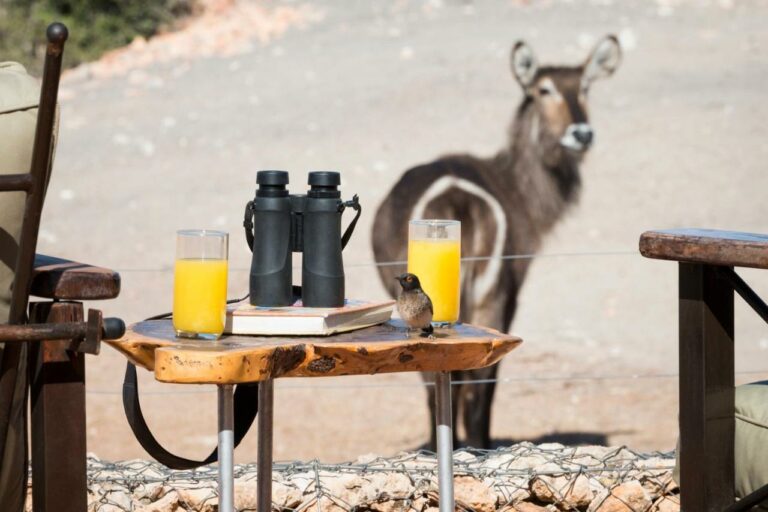 SouthOkaukuejoClosest to Andersson Gate and the floodlit waterhole, and the busiest part of the park.5 campsites
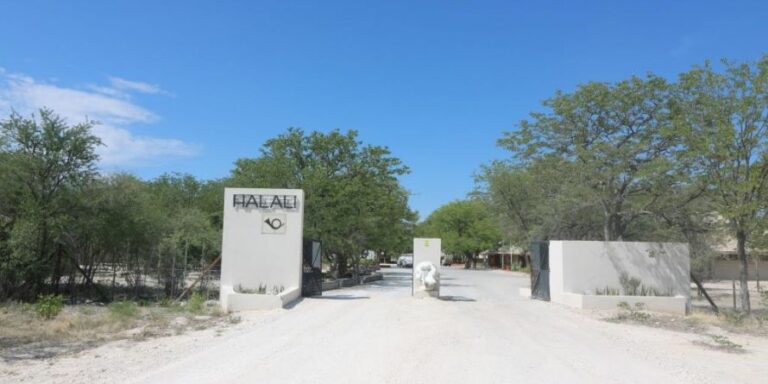 CentralHalaliMidway between the southern and eastern gates, with a floodlit waterhole of its own.1 campsite
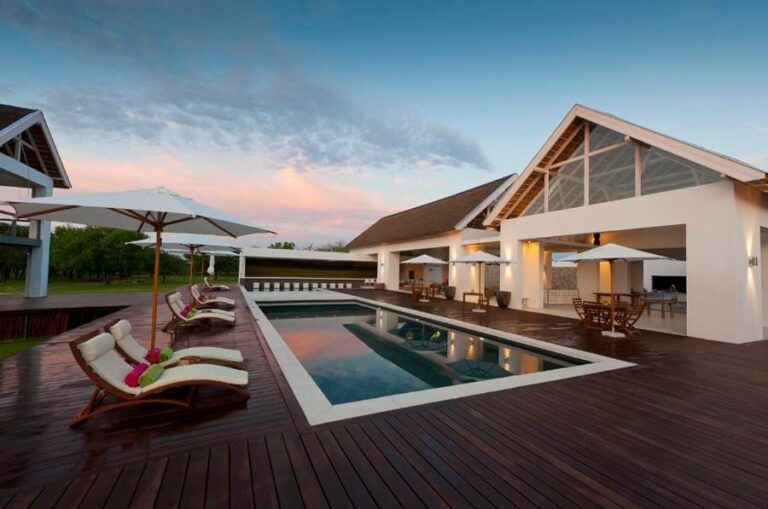 EastNamutoniThe eastern pans and Von Lindequist Gate, quieter than the south.1 campsite
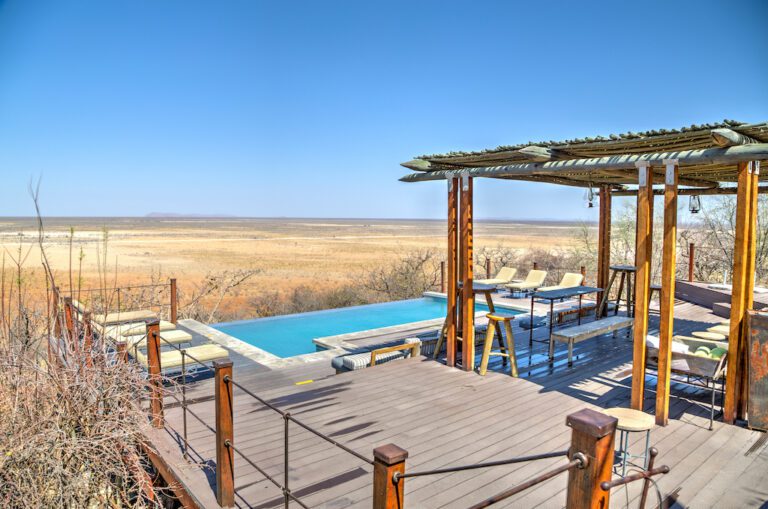 WestDolomiteThe remote western side of the park, reached through Galton Gate.1 campsite
Campsites in the gateway towns and on the way
- Kamanjab 3
- Omaruru 2
- Khorixas 1
- Tsumeb 1
- Otjiwarongo 1
Browse campsites in and around Etosha
Every campsite covered on this site, inside the park and on the farms and lodges outside it.
16 places listed here.
 Okaukuejo
Okaukuejo Campsite
Okaukuejo Campsite is a popular camping option within Okaukuejo Rest Camp, located in Etosha National Park, Namibia. The...
 Dolomite
Olifantsrus Campsite
The newest addition to Etosha National Park. Nestled in the remote and untamed western section of the park,...
 Okaukuejo
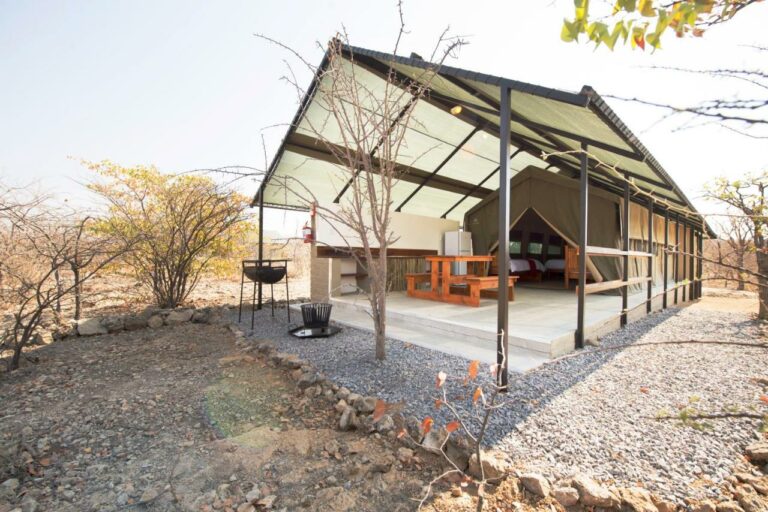
Etosha Safari Camping2Go
The Ultimate Self-Catering Adventure Near Etosha Located just 7.5 km from Etosha National Park’s Andersson Gate, Etosha Safari...
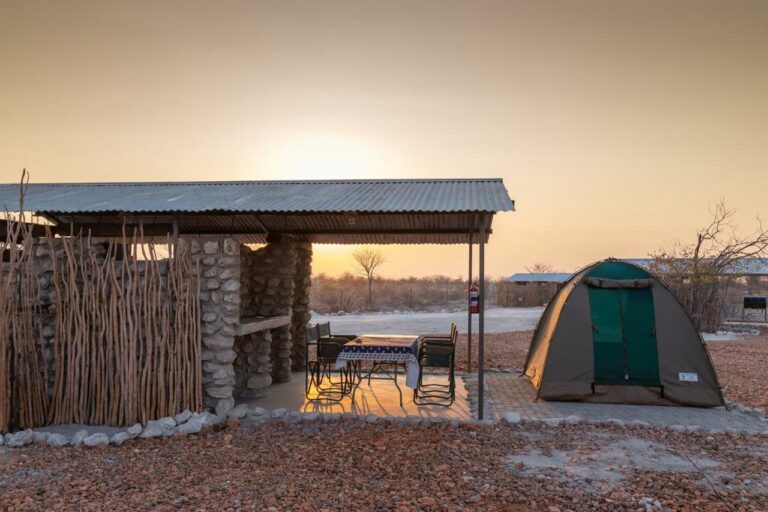 Okaukuejo
Etosha Trading Post Campsite
The captivating Etosha Trading Post Campsite, a haven located just 5 km away from the renowned Etosha National...
 Okaukuejo
Etosha Safari Campsite
The captivating oasis of Etosha Safari Campsite, a hidden gem nestled near Okaukuejo. Prepare to embark on a...
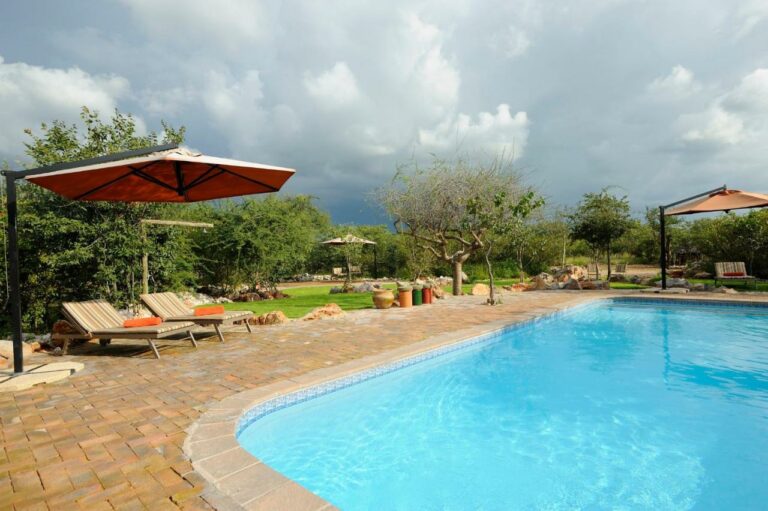 Okaukuejo
Etosha Village Campsite
Etosha Village Campsite is a self-catering and serviced campsite in the Okaukuejo Area, just 2.2 km from Etosha...
Nothing on this page matches that.
How to choose a campsite
- PositionInside or outside the fenceInside means dawn and dusk at the waterhole without a gate run. Outside usually means more shade, more space and better ablutions.
- FacilitiesAblutions, power and braaiCheck whether the pitch has its own ablution and power point or shares a block, and whether firewood is sold on site.
- SeasonBooking and heatPark campsites fill months ahead in the dry season, and midday shade matters more than almost anything else on the list.
- KitWhat you have to bringBedding, cooking gear, water and a light. Nothing is supplied on a park pitch beyond the ground and the braai.
Other ways to stay around Etosha
 88 places to stayLodgesBuilt rooms, en-suite bathrooms and a restaurant on site.
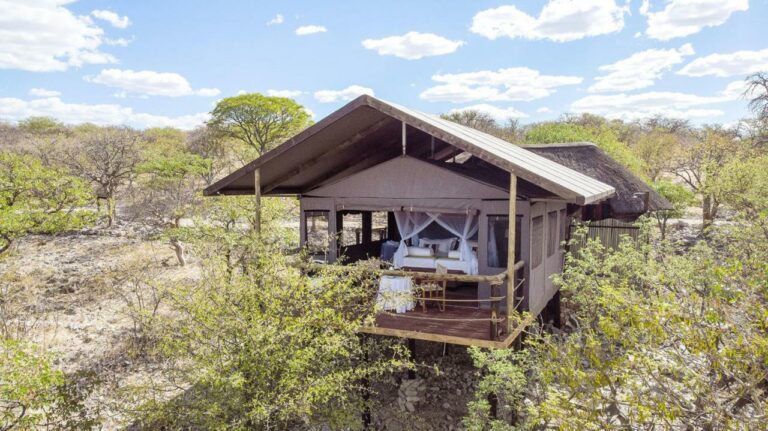 13 places to stayTented LodgesCanvas rooms under a roof, with lodge comforts.
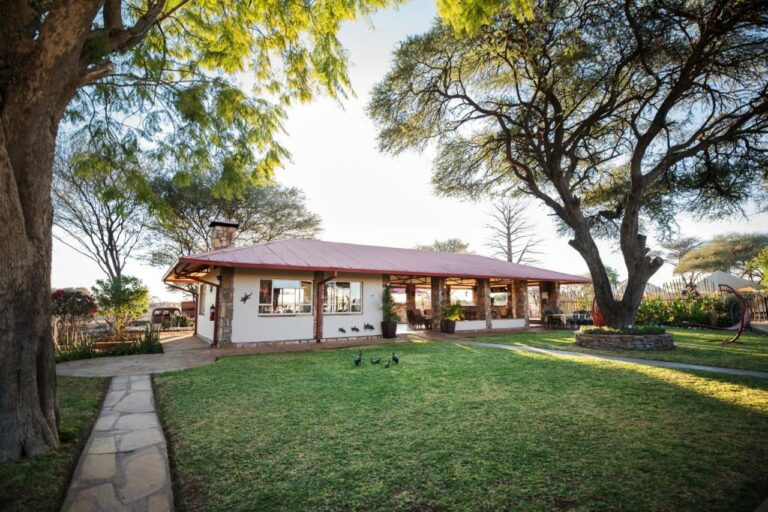 26 places to stayGuest FarmsWorking Namibian farms that take guests, on the approach roads.
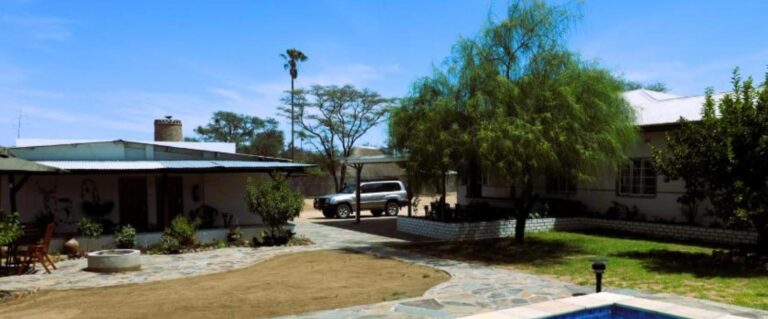 29 places to stayGuesthousesSmall owner-run places in the gateway towns.
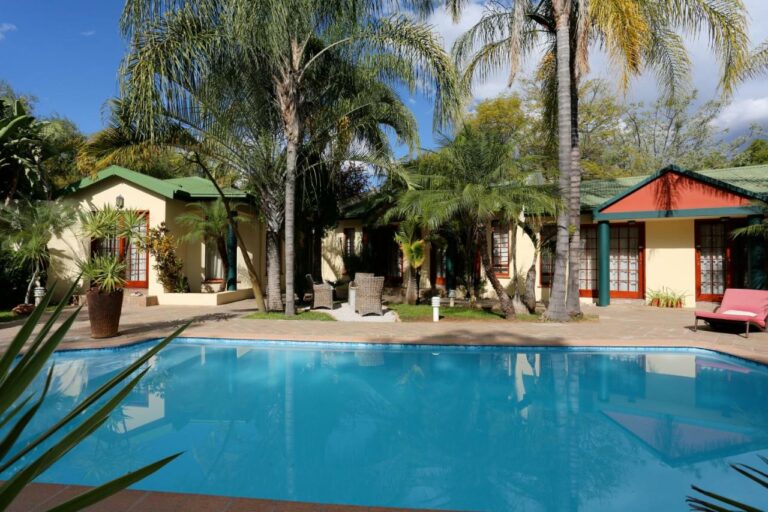 9 places to stayHotelsConventional town hotels on the routes into the park.
Planning guides
- Where to base yourselfInside vs outside the parkWhat you actually gain by sleeping behind the gates, and what it costs.
 When to goBest time to visitHow the dry and wet seasons change the game viewing and the prices.
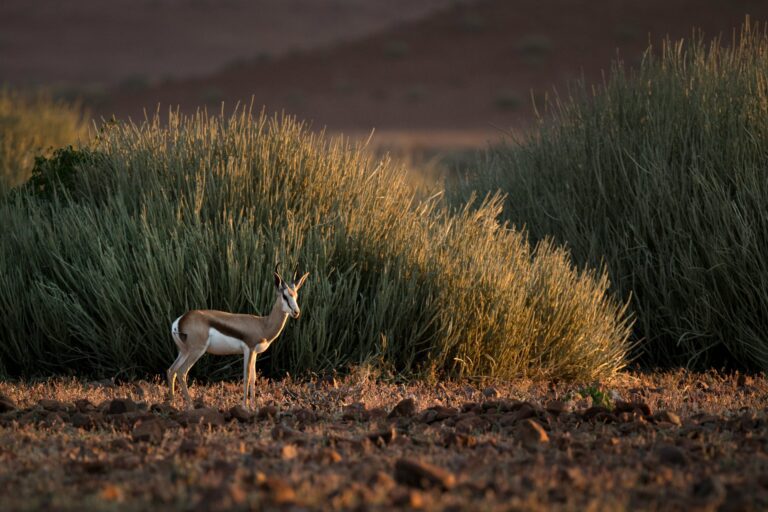 Getting aroundSelf-drive EtoshaRoads, distances, fuel and the rhythm of a self-driven day in the park.
 Start herePlan your Etosha tripThe full planning guide, from gates and routes to how many nights to give it.
Ready to choose a campsite?
The campsites above are the ones written up on this site, each with its own page. Park campsites are booked through Namibia Wildlife Resorts rather than through the comparison link, which searches the Okaukuejo area as a whole.