
Otavi before Etosha is useful when it breaks a long journey and keeps the next day aimed at the park’s eastern entrance. It is not the best stop for every itinerary. Travellers entering through Andersson Gate in the south or arriving from the west usually gain little by diverting to Otavi.
The town sits on the northbound B1 at the junction with the B8 towards Grootfontein. For eastern Etosha, the straightforward route continues north towards Tsumeb and then west to Von Lindequist Gate. Otavi can supply a quieter overnight around that corridor, while Tsumeb generally makes more sense for the final major shopping and fuel checks.
This guide helps you decide whether to stay in Otavi before Etosha, where the stop fits, what to confirm locally and how to protect the next morning from rushing. Distances, opening hours and road conditions can change, so use current maps and direct provider information for the travel date.
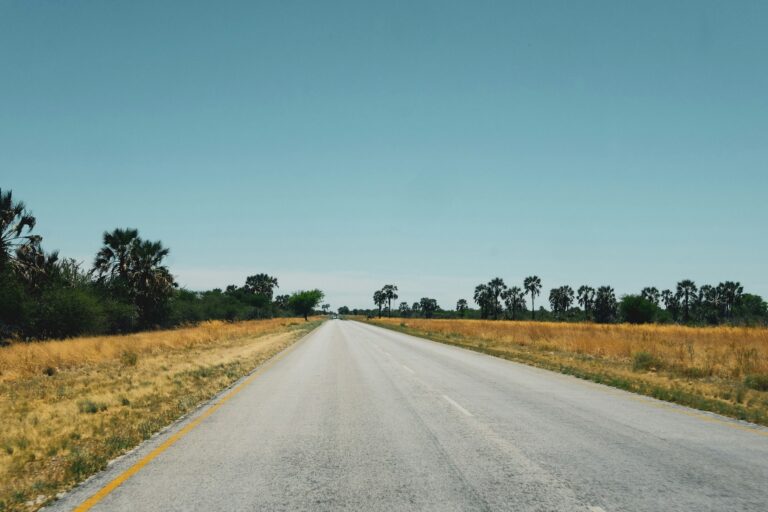
When Otavi before Etosha fits the itinerary
Choose Otavi when the previous driving day would otherwise be uncomfortably long, the booked property suits the group, and the next day continues to eastern Etosha. It can also fit a wider route from central Namibia towards Grootfontein, the Kavango regions or the Zambezi Region, with Etosha placed before or after that extension.
Do not select Otavi simply because it appears near Etosha on a national map. The park is large and the gate matters. A stay near Otavi supports Von Lindequist Gate and Namutoni geography; it does not efficiently support an Okaukuejo-focused arrival through Andersson Gate.
| Itinerary | Otavi before Etosha? | Reason |
|---|---|---|
| Windhoek or central Namibia to eastern Etosha | Often useful | Breaks the northbound approach before Tsumeb and the eastern gate |
| Grootfontein or north-east to eastern Etosha | Possible, but may be behind the route | Compare a direct Tsumeb-area stop first |
| Southern Etosha through Andersson Gate | Usually no | Otjiwarongo or Outjo aligns better with the south-west approach |
| Eastern Etosha followed by Waterberg or central Namibia | Useful on departure in some plans | Can shorten the next southbound day |
| Short Etosha trip with only one park base | Only if the base is in the east | Avoid a cross-park transfer caused by the wrong gateway |
Let the booked gate decide
Start with the first Etosha accommodation and its practical entrance. If the stay is around Namutoni or outside Von Lindequist Gate, Otavi before Etosha can be logical. If the stay is around Okaukuejo, Dolomite or another sector, rebuild the route rather than forcing the town into it.
Use the site’s Okaukuejo or Namutoni comparison when the real decision is which park sector to prioritise. The stopover follows that decision; it should not make it for you.
Otavi before Etosha or a Tsumeb stop?
Otavi and Tsumeb serve different purposes. Otavi is the earlier junction and can suit guest-farm or lodge accommodation around the corridor. Tsumeb lies farther along the eastern approach and is the safer default for substantial resupply because it is a larger service centre closer to the route towards Von Lindequist Gate.
If the family needs a supermarket, cash, several fuel options or last-minute supplies, verify current Tsumeb services and plan the stop in daylight. If the vehicle is already supplied and the aim is simply a comfortable night with an unhurried morning, a suitable Otavi property may be preferable.
- Choose Otavi for a shorter previous day, a specific booked property or a route that also uses the B8 towards Grootfontein.
- Choose Tsumeb to move closer to Von Lindequist Gate and complete more of the practical resupply.
- Choose neither when the itinerary enters Etosha through a different gate or when a nearer outside-gate stay removes more driving.
- Split the jobs by sleeping near Otavi and making a planned Tsumeb fuel-and-food stop the next morning.
Our Tsumeb before Etosha guide covers the later stop in more detail. Compare the two against real check-in and gate deadlines instead of choosing by atmosphere alone.
Do not rely on a historic services list
Businesses change hours, fuel deliveries can be disrupted and a public holiday may alter the routine. Phone accommodation and any essential supplier shortly before arrival. Carry a reserve and refuel earlier when prudent, but do not transport fuel in an unsafe or rental-prohibited way.
Plan an Otavi before Etosha overnight that saves energy
A good stopover removes work. Confirm the exact property location, road access, meal arrangement, latest arrival, family-room layout and whether a late or early check-in affects breakfast. A rural property described as “Otavi” may be outside town, so pin the entrance and download directions before losing signal.
Arrive with enough daylight
Avoid building an Otavi before Etosha plan that depends on a fast final hour after sunset. Northern roads can carry livestock and wildlife, and visibility falls quickly. Work backwards from the accommodation’s check-in time, add a delay margin, and drop a sightseeing stop when the driver is tired.
The official Roads Authority Namibia is the appropriate source for national road information. Local accommodation and rental providers can add route-specific context, but no one can make an unsafe schedule safe by giving a confident estimate.
Use the evening for four quiet jobs
- Refuel if the preferred station is open and the tank needs it.
- Move tomorrow’s layers, binoculars, water and documents into one day bag.
- Confirm the current Etosha gate and camp schedule with an official or accommodation source.
- Set the first realistic stop inside the park without building a long species wish list.
Eat, hydrate and sleep rather than turning the stopover into another long activity block. The value of Otavi before Etosha is a rested driver and a clean start, not the number of attractions added to the route.
The next morning from Otavi to eastern Etosha
Leave only after checking tyres, lights, fuel, water and the secure load. Continue towards Tsumeb, complete planned supplies, then follow current navigation and signs towards Von Lindequist Gate. Build time for the formalities at the entrance and for slower park roads after the tar.
Do not promise yourself a waterhole or camp by an exact minute. Queues, roadworks, shopping and animal crossings can change the day. A short first loop near Namutoni is better than a rushed extension that threatens the current return or check-in deadline.
A calm arrival sequence
- Stop in Tsumeb only for jobs written on the list.
- Keep passports, booking details and vehicle documents accessible.
- Enter the park with drinking water and a delay reserve.
- Confirm rules, closures and times at the gate.
- Drive the first gravel section gently while the driver adapts.
- Check in or return within the current deadline, even if a sighting is active.
Read arriving at Von Lindequist Gate for the eastern entrance and two nights near Von Lindequist Gate for a compact local plan.
Crosslink the wider Namibia route
If Etosha is one part of a longer northern journey, the Namibia Travel Guide destinations overview helps place Waterberg, Grootfontein and the north-east in context. Use that larger sequence before choosing Otavi before Etosha as an overnight.
Add nearby detours only when the clock supports them
The broader northern region includes Lake Otjikoto between Otavi and Tsumeb, the Hoba Meteorite near Grootfontein and cave or farm experiences that require their own access arrangements. The official Visit Namibia northern-region overview places these attractions within the area.
They are not interchangeable roadside stops. Check opening days, admission, road access and the true return to the main route. The Hoba Meteorite is associated with Grootfontein and can require a deliberate detour; Lake Otjikoto is on the Tsumeb approach but still deserves a planned stop, not an unsafe last-minute turn.
Use a one-detour rule
On the arrival day for Otavi before Etosha, choose at most one meaningful detour after calculating the accommodation deadline. On the park-entry morning, skip detours unless the itinerary deliberately starts later and the first Etosha drive remains realistic. Never “make up” time by speeding.
Nine practical Otavi before Etosha decisions
- Which Etosha gate serves the first booked night?
- Does Otavi shorten the previous day enough to justify the stop?
- Is the property in town or on a farm road outside it?
- Are dinner, breakfast and a late arrival confirmed?
- Which supplies will be handled in Tsumeb?
- Is fuel available before the planned stretch?
- What current road or gate information must be checked?
- Can a detour be removed without disappointment?
- Does the next day include a calm margin before the Etosha deadline?
If those answers align, Otavi before Etosha is doing useful itinerary work. If the plan still requires a late arrival, a large shopping stop and a long first park circuit, move the overnight closer to the eastern gate or simplify the day.
Three realistic Otavi before Etosha timing patterns
Pattern 1: arrive, sleep and continue
Reach the accommodation in daylight, check in, eat and prepare the next day without another drive. This is the cleanest use of Otavi before Etosha after a long journey from central Namibia. The morning includes only the planned Tsumeb stop, gate formalities and a compact eastern Etosha circuit.
Pattern 2: a short regional stop before check-in
A traveller arriving earlier may include one confirmed attraction or a leisurely lunch, then reach the Otavi before Etosha property well before dusk. The key is a written cut-off: if the road day runs late, the optional stop disappears. Dinner and check-in remain protected.
Pattern 3: eastern Etosha as the second day
Families who dislike early starts can treat Otavi before Etosha as the first of two approach nights, moving to Tsumeb or accommodation near Von Lindequist Gate before entering the park. This costs a night but can suit young children, a late flight arrival or a route with several supply jobs.
Do not combine all three patterns. An Otavi before Etosha overnight cannot simultaneously be a full sightseeing day, a major resupply, a late arrival and the launch for a dawn gate queue. Choose one purpose and let the schedule express it.
Build a decision time into the road day
Agree on a time when the family will reassess fuel, driver concentration, daylight and the remaining distance. If conditions have deteriorated, call the accommodation and remove the detour. This turns Otavi before Etosha into a flexible safety tool instead of a deadline that encourages speed.
After checking in, write down the latest comfortable departure and the Tsumeb tasks. A short list prevents a calm Otavi before Etosha morning from becoming an hour of searching for groceries, cash and camera batteries.
Use Otavi to prepare the eastern Etosha arrival
Separate the evening jobs from the morning jobs
Complete anything that does not depend on Tsumeb before sleeping: check fuel range, tyre condition, documents, drinking water, camera batteries and offline maps. Put clothing and the day bag where they can be reached without repacking. The morning list should contain only the supplies or services genuinely better handled farther along the eastern approach.
This split protects the route from a common failure: every small task is postponed until departure and the first two hours disappear. Otavi before Etosha works best when it absorbs preparation rather than becoming another place to rush through.
Choose a Tsumeb stop with a cut-off
Write the essential shopping, fuel or cash task in order and decide when the vehicle must leave town. Optional browsing comes last. If a required item is unavailable, use the agreed alternative or contact the next property; do not drive between several shops until the park schedule becomes unsafe.
Keep luggage secured while stopping and return receipts, documents and change to one place. The driver should not be sorting bags or searching for a card at Von Lindequist Gate.
Plan the first wildlife loop conservatively
After entry, use a compact circuit that fits the booked camp and current road times. A successful eastern arrival does not need a long cross-park drive on the first afternoon. Let the group settle, learn the condition of tourist roads and preserve enough time for normal gate or camp procedures.
If entry occurs later than planned, remove the optional waterhole farthest from the overnight base. Do not recover the time by increasing speed. The first Etosha sighting can delay the route in the best possible way, which is why the margin exists.
Keep the onward day connected
Look beyond the first night. If the next booking is at Halali or farther west, decide whether the following drive is a game-viewing day or a transfer with selected stops. If the itinerary remains in the east, two nights can reduce packing and create patient time near Namutoni.
Crosslink the plan with the two-night eastern Etosha itinerary and current accommodation details. A good Otavi before Etosha decision should make the next two days clearer, not merely shorten one map line.
Review the stop after arrival
At the first Etosha accommodation, note the actual driving time, supply stop and entry process. Use those facts to adjust the return route or a future trip, while avoiding claims that the same timing will apply in another season. Road work, weather, queues and property location all change the result.
The review keeps Otavi before Etosha in proportion: it is a useful staging choice for some eastern approaches, not a mandatory stop for every visitor.
Final route and booking checklist
| Confirm | Why it matters |
|---|---|
| Exact accommodation map pin | “Otavi area” may not mean the town centre |
| Check-in and meal times | Rural kitchens and gates may work to fixed schedules |
| Current fuel and supply plan | Avoid depending on one unverified stop |
| Von Lindequist Gate plan | Keeps the overnight aligned with eastern Etosha |
| Vehicle documents and water | Prevents a rushed search at the gate |
| Optional detour cut-off | Makes it easy to protect daylight |
| First Etosha loop | Stops ambition from overruling the return time |
Common Otavi stopover questions
Is Otavi the closest town to eastern Etosha?
No. Tsumeb is farther along the usual eastern approach, while accommodation outside Von Lindequist Gate may be closer still. Choose Otavi for the shape of the previous and next day, not because it is the final service point.
Can I buy everything in Otavi?
Do not assume so. Verify essential services and opening hours. Plan major resupply in a larger centre such as Tsumeb when it fits the route, and carry a sensible reserve from earlier in the journey.
Should I visit Hoba Meteorite on the same day?
Only if the detour, access and time are confirmed and the accommodation or park deadline remains comfortable. It lies near Grootfontein, not on the direct Tsumeb-to-Etosha leg, so it should be a deliberate route choice.
How early should I leave Otavi before Etosha?
There is no universal hour. Work backwards from current gate arrangements, the Tsumeb tasks, the property location and a daylight margin. A rested departure at a realistic time is better than an exhausted race to be first at the gate.