
An Omaruru rest stop can divide a long central or western Namibia road trip before Etosha, especially when the alternative is arriving tired, shopping late or pushing through fading light. Its value is not a fixed number of kilometres; it is the safer rhythm it creates.
Omaruru is not at an Etosha gate. Treat it as a genuine overnight or service stop, then calculate the next day to the actual accommodation or entrance. Current road conditions, fuel availability and opening hours should be checked close to travel.
When an Omaruru rest stop fits
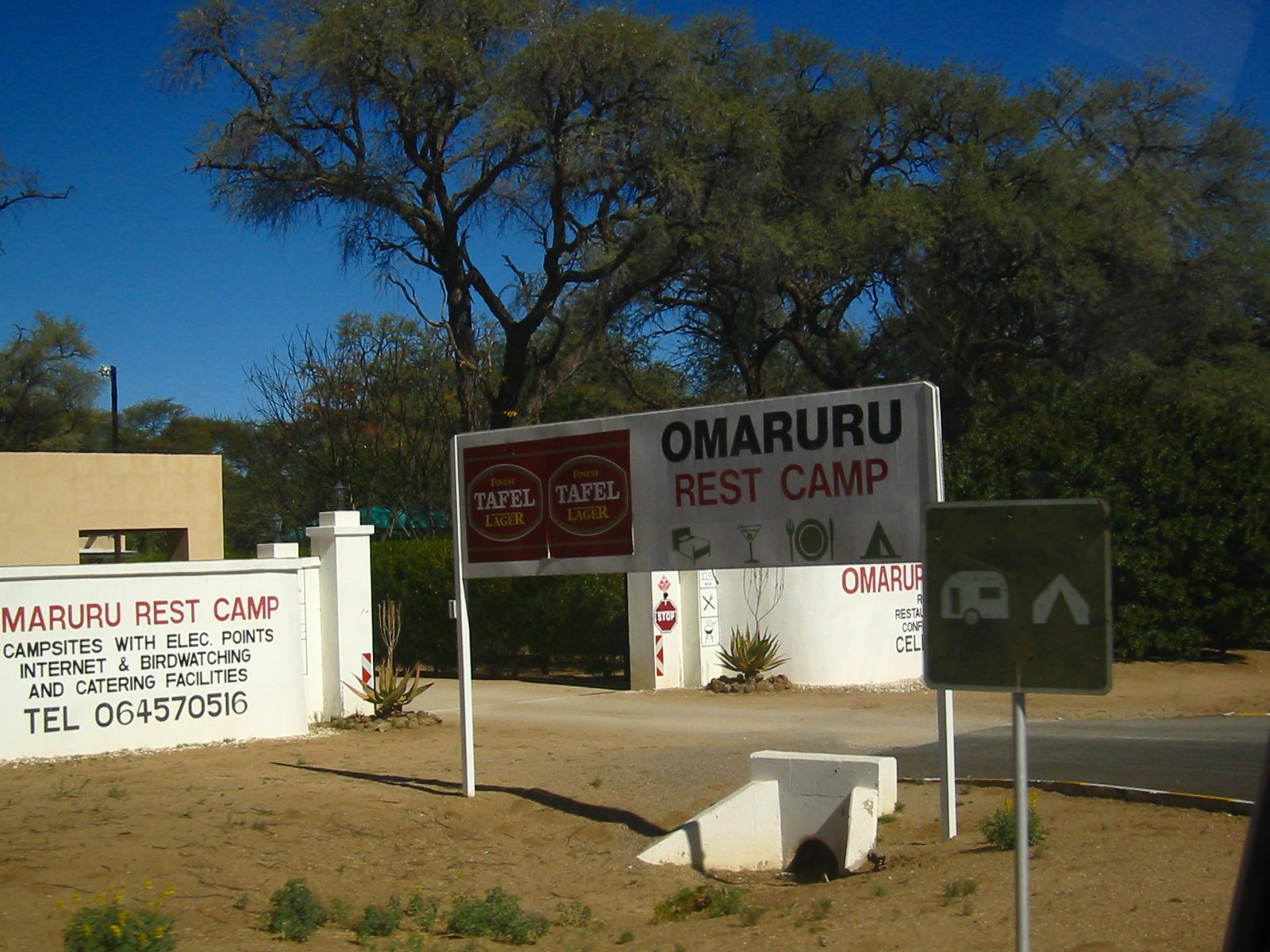
Omaruru can suit travellers moving north from the coast or central Namibia, or linking several Erongo and northern destinations. It is less useful when it creates a detour from an eastern approach. Plot the actual route rather than inserting the town because it is familiar.
The Namibia Travel Guide is the relevant network resource for building the national route. Use it to compare nearby destinations, then return to Etosha-Namibia.com for gate and accommodation planning.
Choose between one night and a short service stop
| Choice | Use it when | Avoid it when |
|---|---|---|
| Overnight | The incoming drive is long or the next day needs an early organised start | A late arrival leaves no real sleep advantage |
| Meal and fuel stop | The driver is rested and daylight remains generous | The onward plan depends on racing sunset |
| Two-night pause | You deliberately want local time and a slower Namibia itinerary | It removes a needed night from Etosha without adding value |
Do not overfill the stopover. A quiet dinner, early sleep and organised vehicle may improve the Etosha experience more than squeezing in several activities. Check current local opening information before relying on a specific attraction.
Use Omaruru for fuel, food and vehicle tasks
- Refuel without waiting for the tank to become low.
- Check cold tyre pressure the next morning.
- Buy water and food that can be stored safely.
- Move first-use Etosha items to accessible bags.
- Withdraw or organise payment methods without relying on one option.
- Confirm the next accommodation and gate route offline.
A rest stop is also a chance to notice a slow leak, warning light or loose luggage before entering a more time-sensitive day. Resolve vehicle uncertainty with the rental provider rather than carrying it north.
Plan the morning after an Omaruru rest stop
Work backwards from a conservative arrival target. Include breakfast, loading, fuel if not completed, road breaks and the distance beyond the gate to the first camp. Wildlife stops inside Etosha add time even when the road distance looks modest.
If the booking begins inside the park, leave a strong margin. Missing a camp deadline is not a problem to solve by speeding. Consider accommodation outside the correct gate when the route remains too fragile; browse staying outside Etosha for the trade-offs.
Connect Omaruru to the wider travel-guide network
Omaruru belongs naturally to a Namibia itinerary, so cross-linking to other country guides should occur only if the actual journey continues there. A northern extension toward the Zambezi Region may later connect with Botswana, Zambia or Zimbabwe; a simple Etosha return to Windhoek does not need those links.
For Etosha, choose the gate from the onward route and compare accommodation by area. The stopover should simplify that plan, not introduce another zigzag.
Omaruru rest-stop checklist
- Confirm the stop lies on the actual route.
- Book an arrival time that does not depend on night driving.
- Complete fuel and food tasks before they become urgent.
- Protect a full night of sleep.
- Calculate the next day to the gate and then the camp.
- Save maps and contacts offline.
- Remove optional stops first if the morning runs late.
An Omaruru rest stop succeeds when the next day feels calmer. Use the town to reset the driver, vehicle and supplies, then approach Etosha with enough time to enjoy the first sighting rather than fear it.
The Namibia Tourism Board’s western-region overview places Omaruru among the region’s main towns and notes the Omaruru River walking trail. Verify any activity and opening information directly before building it into a transit day.
Omaruru rest stop: route-planning questions
Who benefits most from breaking the journey in Omaruru?
Drivers approaching from the coast or central-western Namibia may value a shorter final stage, especially after a flight, vehicle collection or activity-filled day. Families and photographers also benefit when the stop protects daylight for the next leg.
Should the stop be one night or two?
One night suits a true transit break. Two nights make sense only when the traveller wants time for Omaruru itself. Adding a second night without a clear purpose reduces time available for Etosha or another priority destination.
What makes accommodation useful on a road trip?
- Secure parking and straightforward late-afternoon access.
- An early breakfast or self-catering option.
- Clear check-in times and a reliable contact number.
- Fuel and supply information for the next morning.
- A quiet room that supports a rested departure.
How should fuel be handled?
Top up when a suitable station is open rather than relying on a single later stop. Confirm the vehicle’s fuel type, keep payment alternatives and never calculate a remote leg from the gauge alone.
Can Omaruru replace an Etosha night?
It should not be counted as a park night. An Omaruru rest stop improves the approach, but wildlife-viewing time begins only after the park-area itinerary starts. Keep the two purposes separate when allocating nights.
A good Omaruru rest stop removes pressure from the longer road trip. It is valuable because the next day begins rested and organised, not because it adds another pin to the route.
Omaruru rest stop summary: an Omaruru rest stop should protect daylight, fuel and rest. Recheck the Omaruru rest stop plan whenever the Etosha gate, accommodation or incoming route changes.