
Etosha road trip hygiene depends on ordinary habits done consistently: clean hands, reliable water, separation of raw and ready-to-eat food and prompt cooling.
Heat and dust make a weak system fail quickly. Carry enough safe water for the planned route plus a sensible reserve, and do not treat a warm cooler as refrigeration.
Use a reliable drinking-water plan
Confirm local advice with the accommodation and carry sealed or appropriately treated water when needed. Keep the emergency reserve separate from daily bottles so it is not consumed unnoticed.
- Label drinking and washing containers.
- Clean reusable bottles daily.
- Protect taps and caps from dust.
- Do not refill from an uncertain source simply because it looks clear.
Clean hands at the right moments
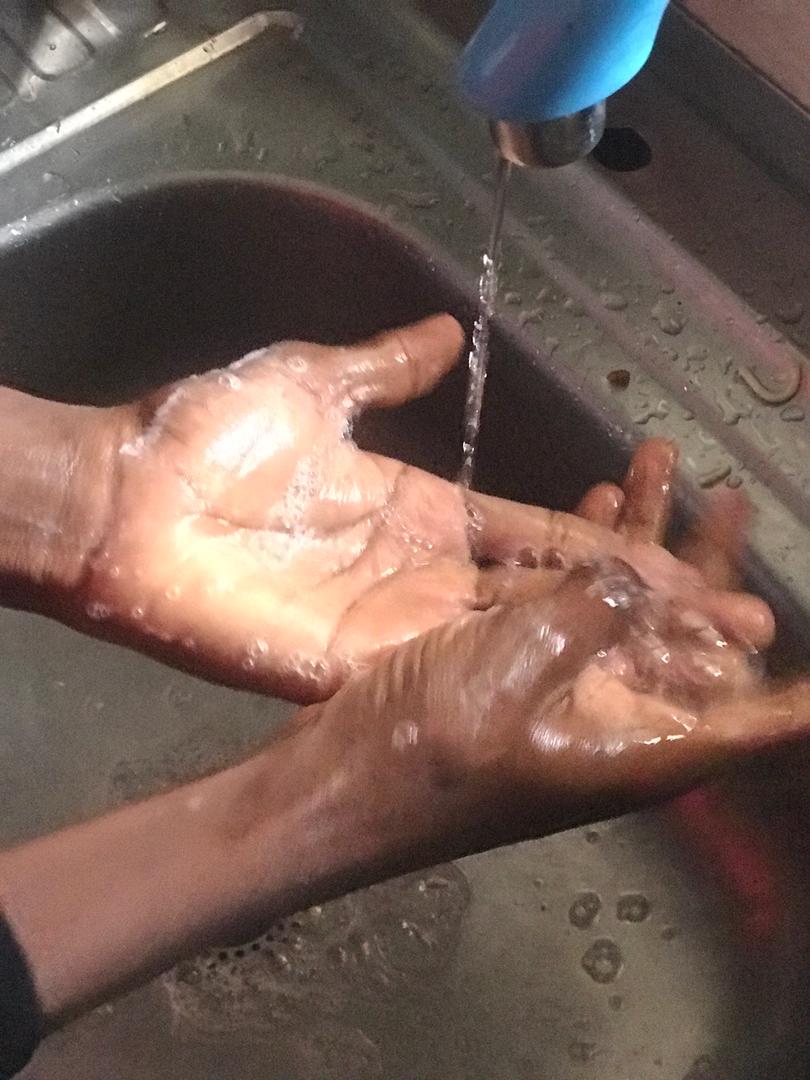
Wash with safe water and soap before preparing food and after using toilets, handling waste or touching raw ingredients. Alcohol hand rub is useful when hands are not visibly dirty, but it does not replace every wash.
The World Health Organization summarises the global burden of unsafe food and the importance of safe handling. Travellers with specific medical risks should seek personal professional advice.
Keep chilled food genuinely cold
| Risk | Practical control |
|---|---|
| Cooler repeatedly opened | Use a separate drinks cooler when possible |
| Food packed warm | Pre-chill before departure |
| Meltwater around packages | Use sealed containers and drain safely |
| Long transfer delay | Carry shelf-stable fallback meals |
| Unknown temperature | Discard high-risk food rather than guessing |
Shade slows warming but does not create safe refrigeration. Follow product labels and use a thermometer when chilled food is central to the plan.
Separate food, waste and wildlife
Keep raw ingredients away from ready-to-eat food and use separate utensils where necessary. Seal waste immediately and follow the property’s disposal rules. Never leave scraps, coolers or wash water accessible to animals.
Clean cooking surfaces before the evening rush. Dust that settles on a plate or knife can undo careful storage.
Carry meals that survive a disrupted day
- Pack two complete shelf-stable meals.
- Keep allergy-safe food clearly labelled.
- Carry a manual opener when tins are included.
- Store supplies where heat and animals cannot reach them.
- Replace used emergency food at the next reliable town.
A fallback meal protects the group after a late arrival, power interruption or restaurant change without encouraging unsafe food decisions.
Make the hygiene kit easy to reach
Soap, hand rub, clean cloths, waste bags and a thermometer are useful only when they are not buried under luggage. Keep a small labelled box near the food area and replenish it before the remote stage. The vegetarian food plan and evening insect guide help complete the camp routine.
Etosha road trip hygiene: a daily audit
Good Etosha road trip hygiene depends on small checks repeated every day. Begin with safe drinking water, clean hands and a cooler that can maintain the temperature required by the foods inside it.
Run this morning-and-evening checklist
- Confirm sealed drinking-water supplies and a separate emergency reserve.
- Wash hands with safe water and soap before handling food; use sanitiser only as a backup.
- Keep raw items sealed away from ready-to-eat food.
- Check the cooler with a thermometer rather than judging by touch.
- Use clean utensils and separate boards for raw and cooked food.
- Discard food left in unsafe heat or with damaged packaging.
- Clean containers and refill only from a reliable source.
For Etosha road trip hygiene, label bottles that contain non-drinking water and never assume a tap is potable. Follow the accommodation or park’s current guidance and use the treatment method recommended for the actual source.
Plan meals around the cold chain
Eat the most perishable items early, keep the cooler out of direct sun and open it as little as possible. A backup meal of shelf-stable food protects Etosha road trip hygiene when ice, refrigeration or shops are unavailable.
Do not wash dishes where runoff can attract animals, and store waste exactly as the campsite or lodge requires. If anyone develops significant illness, seek qualified medical advice rather than relying on a travel blog. A written temperature and water check makes Etosha road trip hygiene easier to manage when the travel day is tiring. Consistent Etosha road trip hygiene protects the itinerary without turning meals into a complicated operation.
Etosha road trip hygiene: practical questions
Is tap water safe everywhere near Etosha?
Quality and advice can vary; confirm locally and use a reliable alternative when uncertain.
Is a cooler enough for meat or dairy?
Only if it maintains a safe temperature consistently.
How much backup food is useful?
Carry at least two complete meals appropriate to the group and route.
Etosha road trip hygiene is built from simple repetition. Keep water dependable, hands clean, cold food cold and emergency meals separate from everyday snacks.
Etosha road trip hygiene summary: Etosha road trip hygiene becomes easier to plan when current rules, realistic distances and responsible wildlife behaviour guide each decision.