
Dehydration prevention Etosha planning starts before the first game drive. Dry air, direct sun, long hours in a vehicle and the excitement of wildlife watching can make travellers forget to drink until thirst, headache or fatigue appears.
This practical guide explains how to build hydration into an Etosha day without relying on a rigid one-size-fits-all target. Individual needs change with temperature, activity, health, age and medication, so use these ideas as travel preparation rather than personal medical advice.
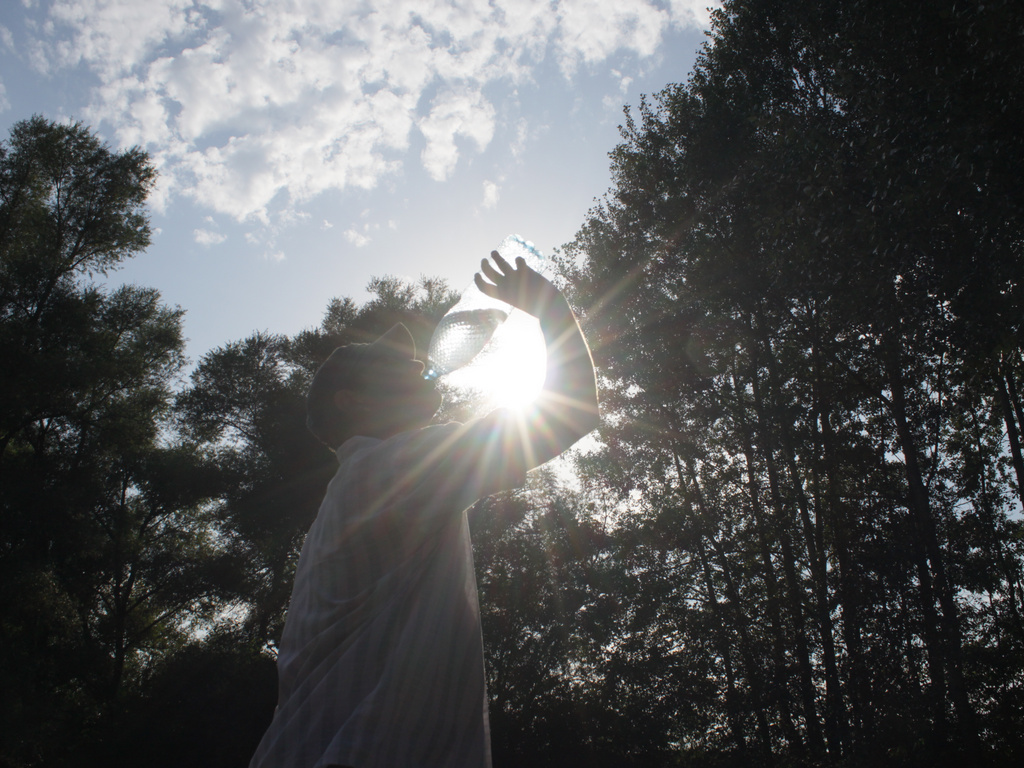
Why a dehydration prevention Etosha plan matters
Etosha visitors may spend many hours sitting in a warm vehicle, moving between waterholes and watching animals. Because the activity feels less strenuous than hiking, fluid loss can be easy to underestimate. Airflow through open windows and air conditioning can also mask sweat.
Early planning matters most for children, older adults, pregnant travellers, people with chronic illnesses and anyone taking medicine that affects heat tolerance or fluid balance. Ask a qualified clinician for individual advice before travel when health conditions are involved.
1. Start the day prepared, not thirsty
A strong dehydration prevention Etosha routine begins at breakfast. Drink normally, eat a balanced meal and pack water before leaving your lodge or camp. Do not wait for the first remote waterhole to discover that a bottle is empty or leaking.
Dehydration prevention Etosha morning vehicle check
- Confirm that every traveller has an accessible bottle.
- Carry a separate reserve that is not opened first.
- Use containers that close securely on corrugated roads.
- Check that medication and any clinician-recommended rehydration products are packed correctly.
- Place drinking water away from fuel, cleaning products and direct sun where possible.
Fuel, gate times and route decisions should be checked at the same time. A calm departure reduces the temptation to skip breakfast or rush away without water.
2. Drink steadily during the drive
Regular small drinks are generally easier to remember than trying to catch up late in the day. Pair drinking with predictable moments: after entering the park, at a safe designated stop, when changing drivers and before the afternoon return leg.
Thirst is useful but not the only cue. Keep an eye on how you feel, the colour and frequency of urine, and changes in concentration. Needs vary, so avoid turning somebody else’s bottle count into a rule for your body.
Fluids that can undermine the plan
Water should remain the foundation. Alcohol is a poor choice during a hot safari day and also conflicts with safe driving. Very sugary drinks may be less comfortable in heat, while excessive caffeine can make some travellers feel unwell. The goal is a routine you can maintain.
3. Make water easy to use in the vehicle
The best bottle is the one you can reach without opening a door or climbing over luggage. Store daily water in the cabin, secure loose containers and keep the emergency reserve separate. Never leave the vehicle in an undesignated area to retrieve a bottle from the boot.
Insulated containers or a cooler can improve comfort, but very cold water is not essential for hydration. Label reusable bottles so families can track whose is whose, and rinse them properly each evening.
Build a cooler, calmer Etosha day
Well-located accommodation makes it easier to refill bottles, rest during the hottest hours and return for an afternoon drive without an exhausting transfer. Compare Etosha accommodation near the gate or area that fits your route.
4. Use shade and timing in a dehydration prevention Etosha plan
Dehydration prevention Etosha advice is not only about drinking. Light clothing, a broad-brimmed hat, sunscreen and time in shade reduce heat strain outside the vehicle. Plan food, toilets and refills around official camps or approved facilities rather than making unsafe roadside stops.
On particularly hot days, consider a shorter morning drive, a midday break and a measured afternoon outing. Current gate hours and park instructions take priority over any fixed itinerary.
5. Recognise early warning signs
Headache, unusual thirst, dizziness, weakness, nausea, muscle cramps, irritability and reduced concentration can be signs that heat or fluid loss is becoming a problem. Urine that becomes infrequent or dark can also be a warning, although it is not a perfect diagnostic tool.
The US Centers for Disease Control and Prevention advises travellers in hot climates to drink non-alcoholic fluids, take breaks and seek shade; its hot-climate travel guidance also explains symptoms that need urgent attention.
Children and older travellers
Offer children drinks regularly rather than assuming they will ask. Watch for sleepiness, irritability or a sudden drop in energy. Older travellers may have a reduced thirst response or medical restrictions, so their plan should follow professional advice.
6. Stop the safari if someone is unwell
If a traveller becomes dizzy, confused, faint, unusually weak or unable to keep fluids down, wildlife viewing is no longer the priority. Move to a cooler safe place, contact park staff or medical help and follow professional instructions. Do not ask the person to “push through” to the next sighting.
Confusion, loss of consciousness, very high body temperature or other signs of heat stroke are a medical emergency. Arrange urgent help. Do not rely on a blog article for diagnosis or treatment.
7. Keep dehydration prevention Etosha advice balanced
More is not always better. Forcing extreme quantities of water in a short period can also be dangerous. Drink steadily, include normal meals, and follow a clinician’s advice if a medical condition changes fluid or salt requirements.
Commercial electrolyte products are not automatically necessary for every game drive. They may be useful in particular circumstances, but individual medical advice matters—especially for children or people with heart, kidney or blood-pressure conditions.
8. Refill and reset each evening
After returning, check how much water remains, clean containers and adjust the next day’s supply. Note which parts of the route were hottest and where approved refill opportunities were available. This turns dehydration prevention Etosha into a repeatable habit rather than a last-minute purchase.
Review the next route with our Etosha map and keep drive distances realistic. A shorter, well-supplied day is usually more rewarding than a long circuit completed tired and uncomfortable.
A simple dehydration prevention Etosha checklist
- Daily drinking water plus a separate reserve.
- Secure, labelled bottles within reach.
- Hat, sunscreen and light layers.
- Food and any clinician-approved rehydration supplies.
- Planned rest, toilet and refill points.
- A clear decision to stop if somebody feels unwell.
Common hydration questions before an Etosha trip
Can one universal litre figure work for everyone?
No. A fixed number ignores body size, temperature, activity, health, pregnancy, age, diet and medication. Treat published quantities as broad planning references, not prescriptions. Your dehydration prevention plan should include enough drinking water for the expected day plus a separate delay reserve, while personal intake follows thirst, conditions and professional advice.
What if the route takes longer than expected?
Roadworks, animal sightings and park traffic can change a day. Keep reserve water sealed until the main supply is running low, and avoid using it simply because the first bottle feels warmer. If supplies become uncertain, shorten the circuit and return to an approved facility rather than gambling on an unconfirmed refill point.
How should families divide the supply?
Give each person a labelled daily bottle and keep shared reserve containers with an adult. This makes it easier to notice when a child has barely drunk anything. Do not leave all water in one large container that could leak, and keep at least part of the supply separate from the main luggage.
Does food matter?
Normal meals support energy and provide fluid and salts, especially on a long day. Pack foods that tolerate vehicle heat safely and avoid relying on salty snacks alone. Travellers with dietary restrictions should arrange appropriate options before entering the park.
What belongs in a dehydration prevention Etosha contingency plan?
Know the location of official camps, keep park and accommodation contact details available, carry a charged phone where coverage permits and tell somebody the intended route. A basic first-aid kit does not replace medical care, but it can support minor needs while help is arranged. If symptoms are severe or worsening, seek professional help promptly.
Hydration habits after a flight or long road transfer
Visitors sometimes arrive at Etosha after an early flight, several coffees and a long drive from Windhoek. Begin the dehydration prevention Etosha routine before the park day: eat, drink normally, rest and avoid planning an ambitious sunset circuit immediately after a tiring transfer.
At check-in, confirm where drinking water is available and whether the room or campsite has refrigeration. Refill bottles that evening, set them beside the daypack and make the morning check effortless.
Make dehydration prevention Etosha part of the itinerary
Good dehydration prevention Etosha planning should feel unremarkable: start prepared, drink steadily, rest in the heat and respond early to warning signs. Those habits protect attention, comfort and sound decisions throughout the drive.
For an itinerary with sensible driving days and well-placed accommodation, contact Etosha Namibia and tell us who is travelling and when.