
Calling wildlife in Etosha—by whistling, imitating a roar, clicking at an animal or playing a recording—is not a harmless way to improve a sighting. The sound may be interpreted as a rival, mate, alarm, prey item or unfamiliar threat. Visitors cannot control the response or undo the energy an animal spends investigating it.
Instead of calling wildlife in Etosha, keep voices low, silence phone audio, observe natural behaviour and move on when the vehicle causes attention or discomfort. A photograph made after provoking an animal does not document a normal encounter; it records a reaction the visitor created.
The rule against calling wildlife in Etosha applies to mammals, birds, reptiles and smaller animals. It also applies when “nothing happened.” A hidden animal may have stopped feeding, left cover or remained silent. Absence of a dramatic response is not evidence that the sound caused no disturbance.
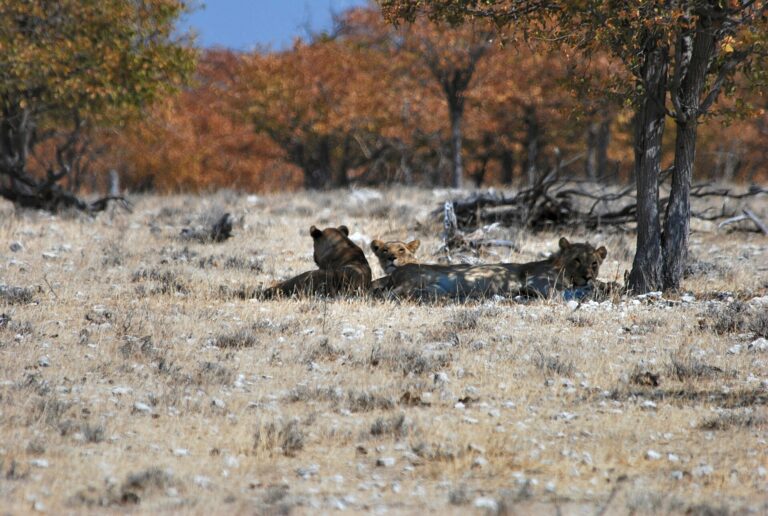
Why calling wildlife in Etosha changes the sighting
Wildlife communication carries information. A contact call can help group members locate one another; an alarm can change the behaviour of several species; a territorial signal can draw a rival or cause it to retreat. Imitating the noise without understanding the context introduces false information into the animal’s environment.
The animal pays the cost
A bird that leaves a feeding perch, an antelope that lifts its head or a predator that abandons shade spends energy because of the visitor. Calling wildlife in Etosha may look like a small interruption in one moment, yet many vehicles repeating the same trick can create repeated disturbance at a popular road or waterhole.
A response can be dangerous
Calling wildlife in Etosha may attract an animal toward the road, the vehicle or another group. A bull elephant, predator or protective adult does not need to make contact for the situation to become unsafe. Sudden approaches can also cause drivers to reverse, crowd one another or block an animal’s escape route.
The behaviour is no longer natural
Once the animal turns toward a whistle or recording, its expression, direction and posture have been influenced. This weakens the value of the observation and any story attached to the photograph. Ethical wildlife photography rewards patience, positioning and fieldcraft rather than manufacturing eye contact.
Namibia’s official park guidance lists disturbance of game among prohibited conduct. The applicable nature-conservation regulations also prohibit using audio equipment in Etosha in a way that may disturb people or game. Current permit conditions and staff instructions always take priority.
Nine reasons to stop calling wildlife in Etosha
- It can interrupt feeding. An animal may stop eating to assess a false signal.
- It can disturb rest. Predators and other species conserve energy during inactive periods.
- It can expose a hidden animal. Movement toward a sound may reveal a nest, cub, den or roost.
- It can trigger territorial behaviour. A recorded rival may provoke display, approach or avoidance.
- It can separate groups. A false contact or alarm signal may redirect individuals.
- It can draw animals toward traffic. The source is often a phone inside a vehicle.
- It misleads other visitors. People may assume the response was spontaneous.
- It degrades quiet places. Repeated playback and imitation affect every nearby observer.
- It encourages repetition. One visible result teaches the next vehicle to try the same trick.
A “tiny sound” can carry
Open plains and still air can make a whistle or phone speaker audible farther than expected. Animals also hear frequencies and details differently from people. Calling wildlife in Etosha should not be judged by how loud the sound seemed inside the car.
A common species still deserves quiet
Ethical behaviour does not begin only when a species is rare. Calling wildlife in Etosha is inappropriate whether the subject is a lion or a common springbok, jackal, guineafowl or ground squirrel. Visitors should observe feeding, vigilance and social behaviour without interference. Habituation to food or attention can create long-term problems around busy sites.
Phone playback is still calling wildlife in Etosha
Identification audio is not an invitation to broadcast
Bird-identification apps are valuable learning tools. Listen through headphones in camp or review a call after leaving the sighting. Playing it aloud beside the bird changes the purpose from identification to stimulation, even when the user calls it “just checking.”
Sensitive species can face repeated pressure
The Cornell Lab’s eBird sensitive-species guidance notes that playback can repeatedly disturb individuals, pairs or small populations, with day-roosting owls among the examples. The safest Etosha default is no playback unless an authorised conservation activity explicitly requires it.
Offline access does not change the ethics
Downloading calls before the trip is useful for private study, but an offline file can disturb wildlife as readily as a streamed one. Keep media volume muted when opening apps near animals. Use headphones only when it is safe and when they do not prevent the passenger from hearing a guide or hazard.
Social media sounds can play accidentally
A saved video may autoplay while the group is watching the same species. Put the phone on silent before the drive, disable autoplay where possible and use captions. If audio starts, stop it promptly without shouting or making a scene.
Why quiet matters at Etosha waterholes
A waterhole concentrates animals with different tolerances, ranks and escape strategies, making calling wildlife in Etosha particularly disruptive there. One imitation or loud reaction can change a fragile approach sequence. An antelope may hesitate, a bird flock may lift or a breeding herd may reorient because the sound came from the vehicle line.
Let the approach unfold
Park legally without blocking access, switch off unnecessary audio and watch the edges. Natural cues—ears turning, birds alarm-calling, herbivores facing one direction—often reveal more than a forced head turn. Calling wildlife in Etosha removes the opportunity to learn this sequence.
Do not compete for attention
When another vehicle obtains eye contact after a whistle, do not copy it. The animal should not face every camera in turn. A quiet side profile, feeding scene or interaction can tell a better story than a stressed stare.
Night waterholes need the same restraint
At a camp waterhole, whisper, dim screens and avoid sound effects. Do not use flash, laser pointers or recorded calls. Follow the posted rules and respect sleeping guests as well as wildlife. Children benefit from a simple pre-visit rule: if an animal arrives, everyone becomes quieter.
The Etosha waterholes guide helps travellers choose places and understand the viewing rhythm. The best waterhole plan includes permission to leave when crowding or noise undermines the encounter.
Control noise before it becomes wildlife calling
Agree on the rule at the gate
Tell every passenger that calling wildlife in Etosha includes whistles, animal imitations, hooting, revving, clapping and playback. This prevents a child, first-time visitor or excited adult from discovering the boundary during a sensitive encounter. A guide should explain the same rule before departure.
Use a quiet-alert system
Instead of shouting “lion,” use a gentle tap, a low directional word or a pre-agreed hand signal. The driver stops only when safe and legal. Point with a whole hand or describe the clock position so other passengers can find the animal without a burst of voices.
Silence equipment
- Turn camera confirmation beeps and artificial shutter sounds off where possible.
- Mute phone notifications and alarms before entering the park.
- Secure bottles, lens caps and hard cases that rattle on corrugations.
- Avoid music, loud radio and speakerphone calls.
- Prepare lenses before the animal is close.
- Close doors gently and only where leaving the vehicle is permitted.
The engine is part of the soundscape
The driver decides whether switching off is safe and practical. Repeated starting, revving or accelerating to make an animal look up is another form of calling wildlife in Etosha. Maintain an exit route and move smoothly when the sighting needs more space.
Record natural sound without calling wildlife in Etosha
Record what happens; do not direct it
A clean field recording begins with patience and low human noise. Point the microphone from inside the permitted vehicle position, keep handling movements small and let the animal choose whether to vocalise. A long quiet recording can be more useful than a short provoked call.
Describe the context afterward
After leaving the immediate sighting, note the time, habitat, number of animals and observed behaviour. Do not speak over the target recording. When sharing, state that no playback or imitation was used. Honest context gives the sound scientific and educational value.
Protect sensitive locations
Avoid posting precise real-time locations of nests, dens, roosts or vulnerable species. A recording can attract a crowd even when it did not disturb the animal during capture. Delay posting and generalise the place when conservation or park guidance requires it.
Never edit a provoked call into a natural story
Removing the whistle from a video does not remove its effect on the animal. Disclose any accidental disturbance and do not present the following approach or stare as spontaneous. The better choice is not to provoke the response.
What to do when someone calls an animal
Stop your own group calmly
Use a short, non-accusatory reminder: “Please keep it quiet; calls can disturb the animal.” Avoid an argument beside wildlife. A guide or driver should set the boundary and move the vehicle if passengers will not follow it.
Do not amplify another vehicle
If visitors in a different vehicle whistle or play audio, do not answer, film them theatrically or add noise. Create distance when safe. Note the time, place, vehicle details and behaviour only if reporting a serious or repeated rule breach.
Follow staff reporting channels
Immediate safety concerns should go to a ranger or park official. Provide facts without confrontation or public accusations. Park staff can interpret current rules and decide the appropriate response.
Reset the sighting
After a sound stops, remain quiet and give the animal space. If it continues to focus on vehicles, leave. Calling wildlife in Etosha cannot be “balanced” by staying longer to see whether it relaxes.
A quiet-safari protocol for families and groups
Silence is easier when the group agrees on a method before the first animal appears. A simple protocol reduces arguments at the sighting and helps children, first-time visitors and photographers understand what to do. It also keeps the driver focused on the road and the animal’s movement instead of repeatedly correcting passengers.
Keep the protocol forgiving as well as firm. If someone reacts loudly, stop the sound, check whether the animal’s attention changed and increase distance when needed. A calm correction protects the sighting better than a loud argument inside the vehicle. Review the plan during the next break and make equipment quieter before returning to wildlife viewing.
Brief everyone before entering the park
Explain that the goal is to observe behaviour that would have happened without the vehicle. Phones should be muted, loose bottles secured and camera sounds reduced where the device allows. Agree that nobody will whistle, click, imitate a call, play audio or ask the driver to hoot. A short explanation works better than a list of rules delivered only after someone makes a noise.
Use one silent alert signal
Choose a hand signal or a gentle tap on the seat to indicate wildlife. Passengers can then point with an open hand rather than shouting directions across the vehicle. The driver should acknowledge the signal without braking abruptly. When several people see different animals, the group follows the driver’s decision about where and whether it is safe to stop.
Give children an observation job
A child may call or imitate an animal out of excitement rather than deliberate disturbance. Give them binoculars, a checklist or a job such as noticing ears, tails, tracks or birds on the ground. Praise quiet observations specifically. If patience disappears, leave the sighting and take a break at a designated place instead of expecting silence through a long, crowded stop.
Separate identification audio from field playback
Bird and mammal recordings can help with learning when used privately. Save an uncertain sound in a notebook, then compare it later through headphones at camp or in the accommodation room. Do not play a recording softly from inside a closed vehicle and assume it has no effect. Animals may hear frequencies and distances differently from the passengers.
Let the driver end the encounter
One person must be able to say that the group is leaving without a debate about the last photograph. The driver watches traffic, escape space and the animal’s direction while passengers concentrate on viewing. If calling wildlife in Etosha has already changed its attention, the correct response is to create distance calmly rather than wait for a more dramatic reaction.
Describe the sighting honestly afterwards
When sharing photographs, state whether an animal approached naturally and avoid captions that encourage others to provoke a response. Do not post exact live locations for nests, dens or vulnerable species. An honest field note should record the time, habitat and behaviour without turning uncertainty into a performance. Responsible storytelling is part of responsible viewing.
Nine quiet-viewing habits to remember
- Mute phones before the gate.
- Use hand signals to alert passengers.
- Keep cameras and containers from rattling.
- Never whistle, roar, click or hoot at animals.
- Use identification recordings privately, not as playback.
- Let resting animals remain resting.
- Leave waterhole approaches open.
- Move away when attention becomes sustained.
- Share photographs without inventing a natural reaction.
Common questions about calling wildlife in Etosha
Is a soft whistle really harmful?
It can redirect attention, interrupt behaviour or teach others to repeat the method. Visitors do not know how the animal interprets it. Silence is the safer and more honest choice.
Can a guide imitate a call?
A guide should follow park rules, operator policy and ethical practice. Ask for observation based on habitat and natural cues. Do not pressure a guide to produce a response for a photograph.
May I play a bird call to identify what I heard?
Review the call through headphones after leaving the bird or back at camp. Avoid audible playback in the field, especially around breeding, roosting or sensitive species.
What if the animal comes closer on its own?
Stay quiet, remain inside the vehicle, keep a route open and follow the driver or guide. A natural approach is not permission to call, touch, feed or reposition into the animal’s path.