
A first-aid kit for Etosha should be built around the traveller, the route and the distance from care. It is not a miniature hospital and should never delay professional help for serious illness, injury, heatstroke, breathing difficulty or anaphylaxis.
Discuss personal medical risks, vaccines and prescriptions with a qualified clinician before travel. Keep medicines in original packaging and check Namibia’s current entry requirements.
In this guide
Start with personal medicines and documents

Carry enough prescription medicine for the trip plus a reasonable delay, stored within the required temperature range. Keep a copy of prescriptions, generic medicine names, allergies, insurance details and emergency contacts.
- Split critical medicine only when safe and allowed.
- Keep essential doses in hand luggage.
- Check expiry dates.
- Tell a companion where emergency medicine is stored.
Pack supplies for minor problems
American Red Cross travel-kit guidance suggests core supplies such as dressings, tape, antiseptic, gloves and basic tools. Adapt quantities to the group and obtain training rather than relying on equipment alone.
| Need | Useful category |
|---|---|
| Small cuts and blisters | Dressings, gauze, tape and cleaning supplies |
| Splinters or ticks | Fine tweezers and instructions |
| Pain or fever | Personally suitable medicine |
| Diarrhoea or dehydration | Clinician-approved medicine and oral rehydration |
| Allergic reaction | Personal action plan and prescribed emergency treatment |
Prepare for heat, sun and insects
The kit should work with—not replace—water, shade, suitable clothing, sunscreen and insect precautions. Oral rehydration products may be useful when used correctly, but confusion or collapse in heat requires urgent care.
Pack sunscreen and repellent separately from sterile dressings so leaks do not ruin the medical supplies.
Store the kit where it can be reached
Use a clearly labelled, dust-resistant bag and organise items by function. The kit should be accessible during a drive without unloading the entire vehicle, but not left in extreme heat when medicines have storage limits.
A simple inventory card reduces searching. Replace used items immediately and inspect the kit before every remote stage.
Build an emergency plan around the kit
- Save park, accommodation, rental and insurance contacts offline.
- Know the nearest realistic medical facility on each route stage.
- Carry identification and insurance details.
- Explain the location clearly using road signs or offline maps.
- Do not drive an unstable patient when emergency help is needed.
Use WHO travel-and-health guidance and the Etosha frequently asked questions for preparation, then obtain personal medical advice.
Audit the kit for the actual travellers and route
A first-aid kit for Etosha should begin with the group’s real needs, not a generic packing list. Each traveller should review personal medicines, allergies and relevant medical advice before departure. Keep prescriptions in original labelled packaging where practical, carry enough for foreseeable delays and store an emergency information card separately from the bag.
Choose supplies that the group knows how to use. An accredited first-aid course is more valuable than unfamiliar equipment added for reassurance. Read instructions before travel, replace expired or damaged items and avoid relying on medication advice from an unverified packing blog. A clinician or pharmacist can advise on personal health questions.
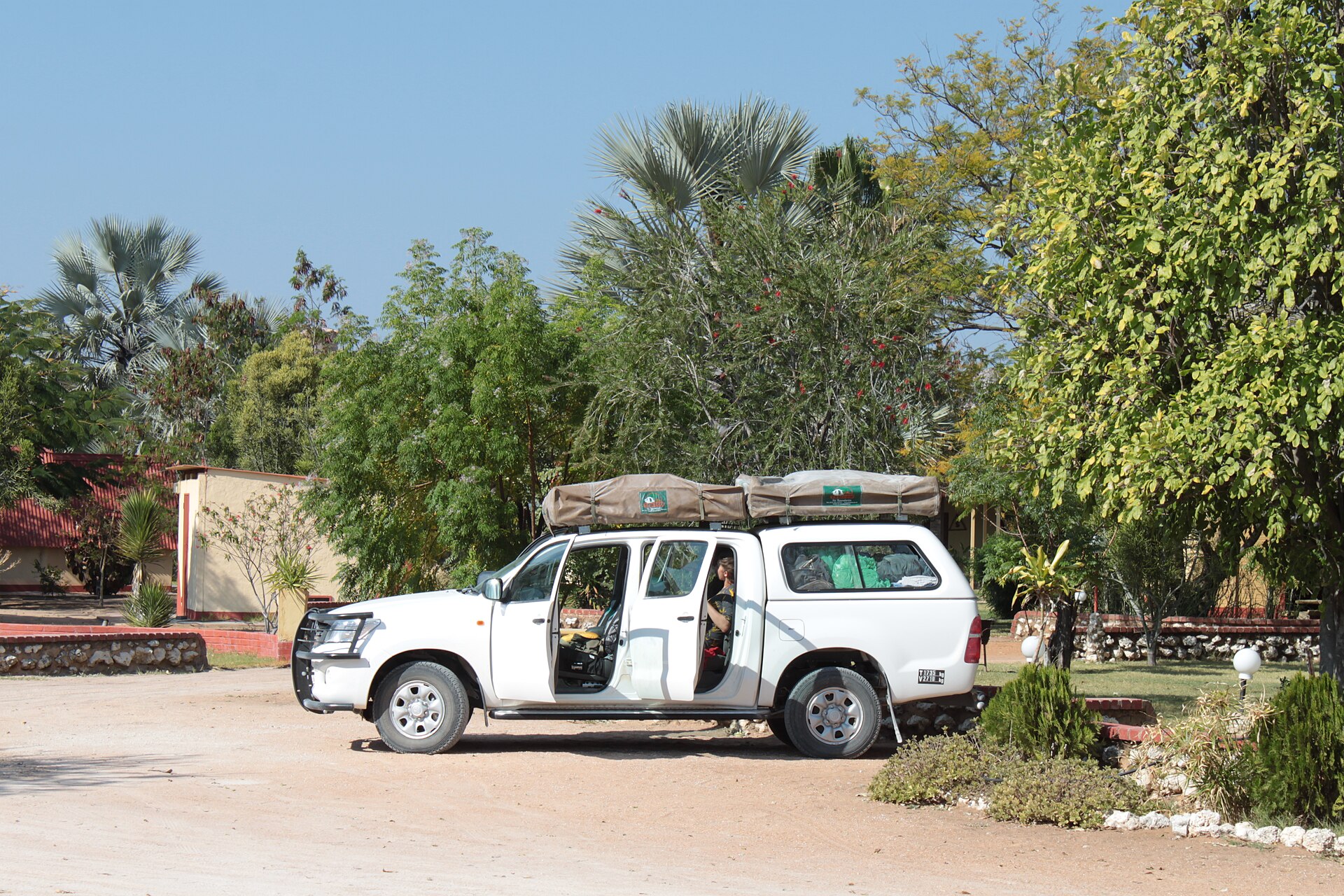
Split access sensibly. The first-aid kit for Etosha should be easy to reach from the passenger area, not buried under roof luggage, while essential personal medicine may need a separate day bag. Protect heat-sensitive products according to their instructions; a hot parked vehicle can damage some items even when the container looks intact.
Finally, pair supplies with a response plan. Save accommodation, rental and emergency contacts offline, know the nearest realistic point of professional help and tell another traveller where information is stored. The kit supports initial care; it does not replace medical assessment. For serious symptoms, major injury, breathing difficulty, confusion or rapid deterioration, seek professional emergency help promptly.
Rehearse the kit before relying on it
A sealed bag is not preparedness if nobody knows how to use the contents. Take an accredited first-aid course, read the instructions for personal emergency medicines and practise finding items quickly. Replace unfamiliar products with supplies the group understands. Before departure, open the kit, compare it with the inventory and remove expired or heat-damaged items. Keep emergency phone numbers outside the bag as well, so a helper can call while care begins.
first-aid kit for Etosha: practical questions
Can a first-aid kit replace travel insurance?
No. The kit supports minor care; insurance and an emergency plan address serious events.
Should antibiotics be packed just in case?
Only on a clinician’s advice with clear instructions for the individual traveller.
Where should the kit be kept?
Accessible, labelled and within the storage limits of its medicines and supplies.
A first-aid kit for Etosha is useful because it is personal, organised and supported by a real plan. Pack for minor care, know when to stop and seek help, and keep the route’s remoteness visible.
first-aid kit for Etosha summary: Check current local conditions, protect realistic travel time and keep wildlife behaviour natural.