
Etosha and Erongo Mountains make a rewarding road-trip combination because they change the visual rhythm: open wildlife country gives way to granite domes, boulders, dry valleys and smaller-scale exploration.
The route becomes relaxed only when transfer days remain separate from ambitious activities. Avoid using optimistic map times or arriving after dark on unfamiliar roads.
In this guide
An Etosha and Erongo Mountains itinerary works best when each region has its own full days and the transfer remains a daylight journey.
Choose the direction from the wider Namibia trip
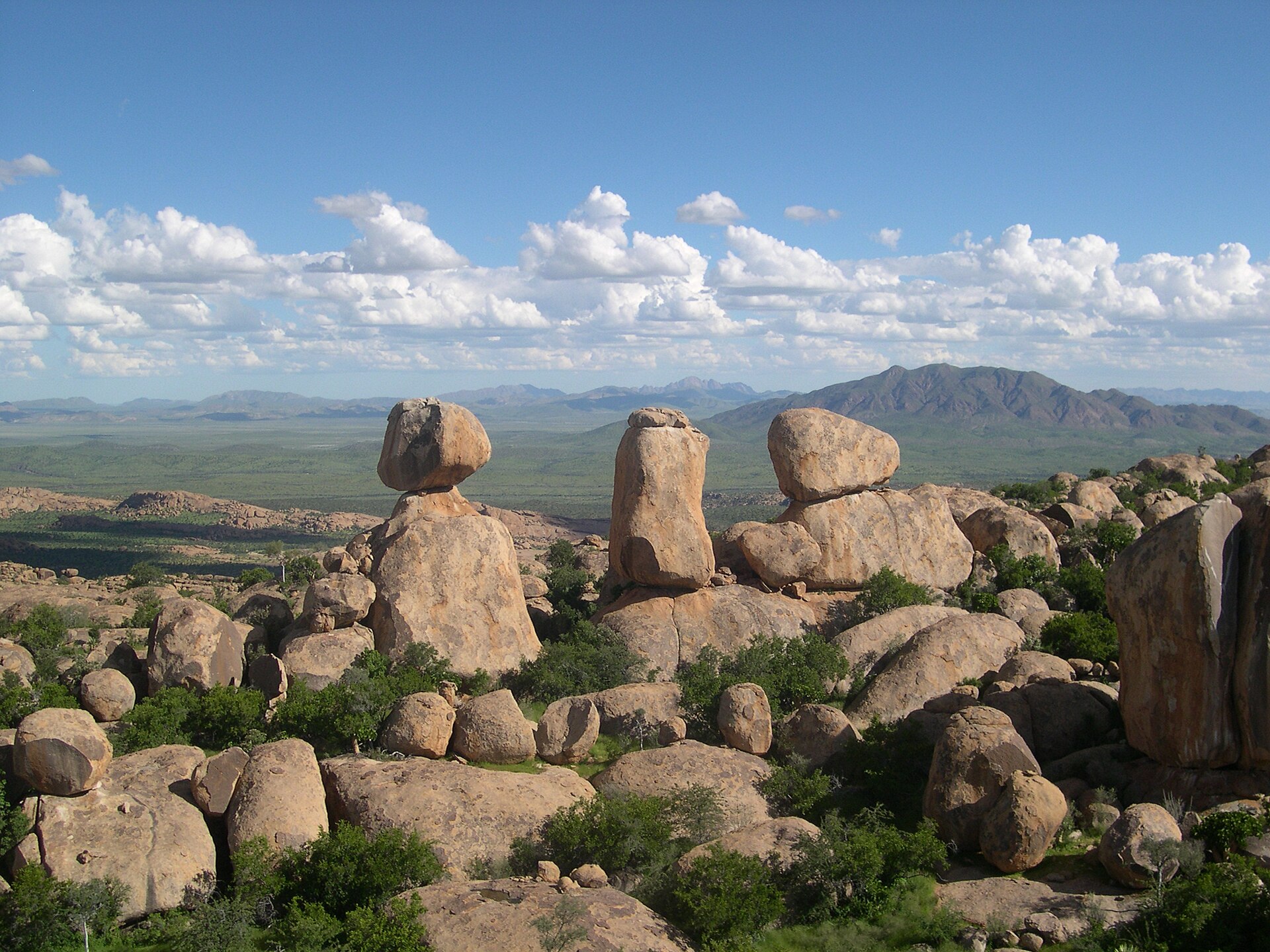
A south-western Etosha exit can connect naturally toward Outjo, Omaruru and Erongo-area stays. The reverse works for travellers arriving from central or coastal Namibia. Direction should reduce backtracking, not follow a rigid online itinerary.
If the trip also includes Swakopmund, the coast or Damaraland, place Erongo where it creates a useful break rather than another detour.
Give both regions enough nights
| Stage | Relaxed minimum pattern |
|---|---|
| Etosha | Several nights across one or two appropriate sectors |
| Transition | One daylight road day or a stopover |
| Erongo Mountains | At least two nights for one full local day |
| Onward route | Departure without a same-day long activity |
These are planning principles, not a universal package. Travellers with walking, birding or photography priorities may need longer. A balanced Etosha and Erongo Mountains plan protects that extra time.
Keep the road day practical
- Refuel before the remote section.
- Carry water and a complete delay meal.
- Check the spare and tyre tools.
- Download the route offline.
- Avoid wildlife and livestock driving after dark.
Use On the Way to Etosha to identify sensible stops without collecting every attraction.
Plan Erongo activities from the property
Access to walks, geology, birding and cultural sites depends on the specific reserve, farm or community arrangement. Ask what requires a guide, what fitness is needed and what is included.
Visit Namibia’s regional route information can support broader planning. Do not enter private land or climb formations without permission.
Connect onward without overloading the itinerary
From Erongo, a trip may continue to the coast, central Namibia or South Africa on a much longer route. Treat every additional region as its own block with realistic nights. This keeps the Etosha and Erongo Mountains combination useful instead of rushed.
Use Namibia Travel Guide for the national route and South Africa Travel Guide only when the journey genuinely crosses into South Africa.
Join the two regions without rushing the transfer
Etosha and the Erongo Mountains reward different travel rhythms. In Etosha, early and late drives may shape the day; in Erongo, walkers, landscape photographers and lodge guests may benefit from slower light changes and time outside the vehicle. Protect both experiences instead of treating the second region as a scenic overnight stop.
Give the transfer day a clear purpose. Refuel, check tyres, carry water and confirm the accommodation’s directions before leaving. Add time for a meal and a safe rest, but avoid a chain of unplanned detours that pushes arrival into darkness. Current road conditions and the chosen Etosha gate should guide the route.
Pack for contrast. Dust protection, binoculars and long lenses may dominate the safari stage, while sturdy footwear, sun protection and a wider camera view can matter more among granite landscapes. Ask each lodge which activities require advance booking and what fitness, clothing or equipment is expected.
Etosha and the Erongo Mountains make a relaxed combination when at least one night is protected from long driving. Use that pause to reorganise luggage, back up photographs and review the next stage. A route with fewer bases and enough daylight is usually more rewarding than collecting destinations without time to experience them.
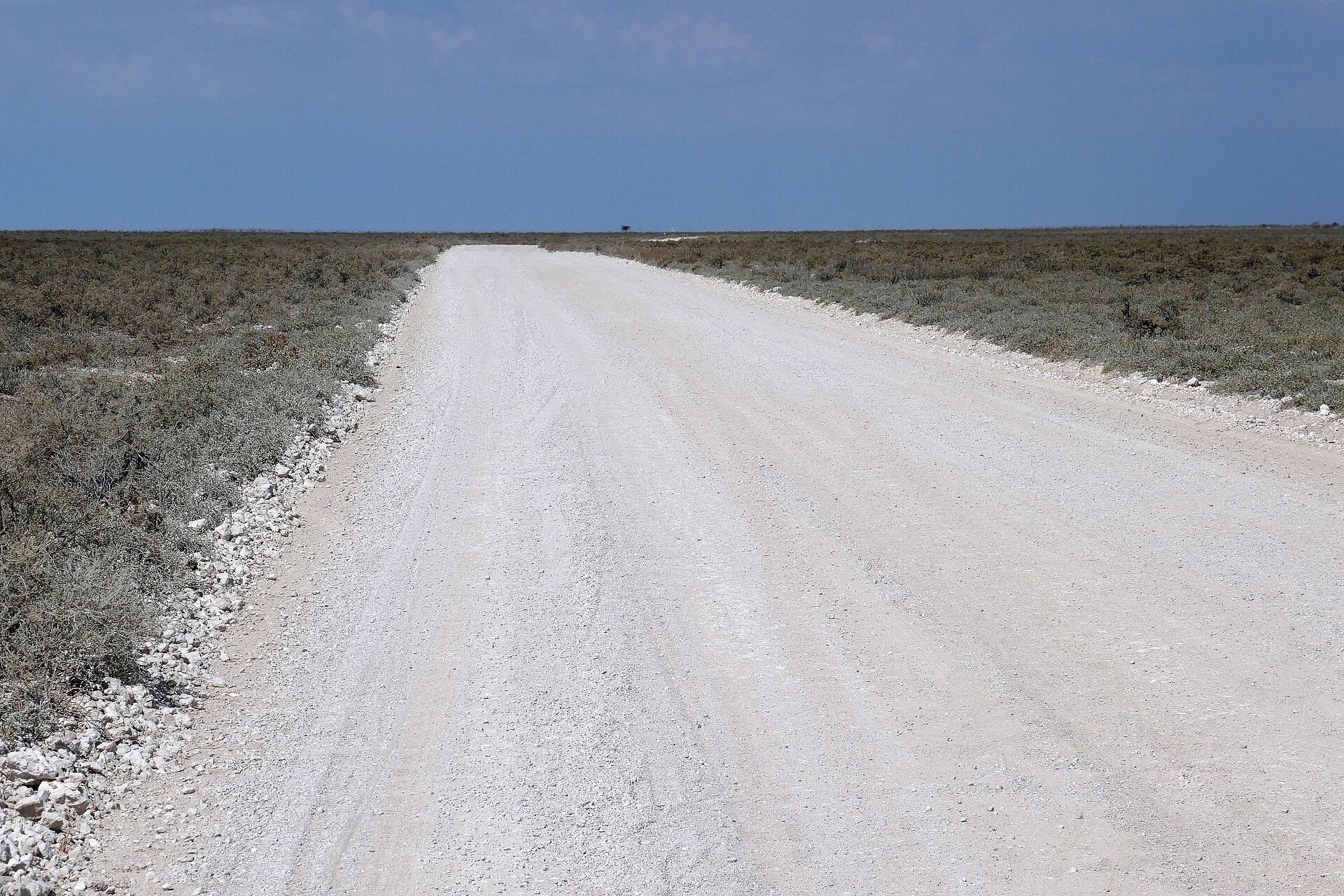
Give the camera a different job in each region
In Etosha, photography may follow wildlife movement from a vehicle; in Erongo, the strongest images may be landscape layers, granite texture and changing light on foot or from a lodge. Pack for both without carrying every lens on every activity. Ask about walking conditions and dust before choosing equipment. A change in photographic rhythm helps the route feel like two complete places instead of a safari followed by more driving.
Etosha and Erongo Mountains: practical questions
Can Etosha and Erongo be combined in one short weekend?
The drive would dominate. A relaxed combination needs several nights and a protected transfer day.
Which direction is best?
Use the direction that matches the wider Namibia itinerary and reduces backtracking.
Are Erongo walks self-guided?
It depends on the property and access rules; confirm guides, fitness and permissions.
The Etosha and Erongo Mountains belong in the same journey when neither is treated as a roadside stop. Give wildlife its patient days, granite country its full local day and the road between them enough daylight.
Etosha and Erongo Mountains summary: Check current local conditions, protect realistic travel time and keep wildlife behaviour natural.