
Keeping groceries cool in Namibia is a food-safety task before it is a packing challenge. A cooler box, portable fridge or lodge refrigerator works only when it stays at a safe temperature, food begins cold and the lid is not opened constantly.
Heat, vehicle stops and power interruptions can shorten the safe window. When temperature history is uncertain, discard high-risk food rather than relying on smell or appearance.
In this guide
For a remote self-drive, keeping groceries cool in Namibia is part of route planning rather than a last-minute packing task.
Choose the cooling system for the route
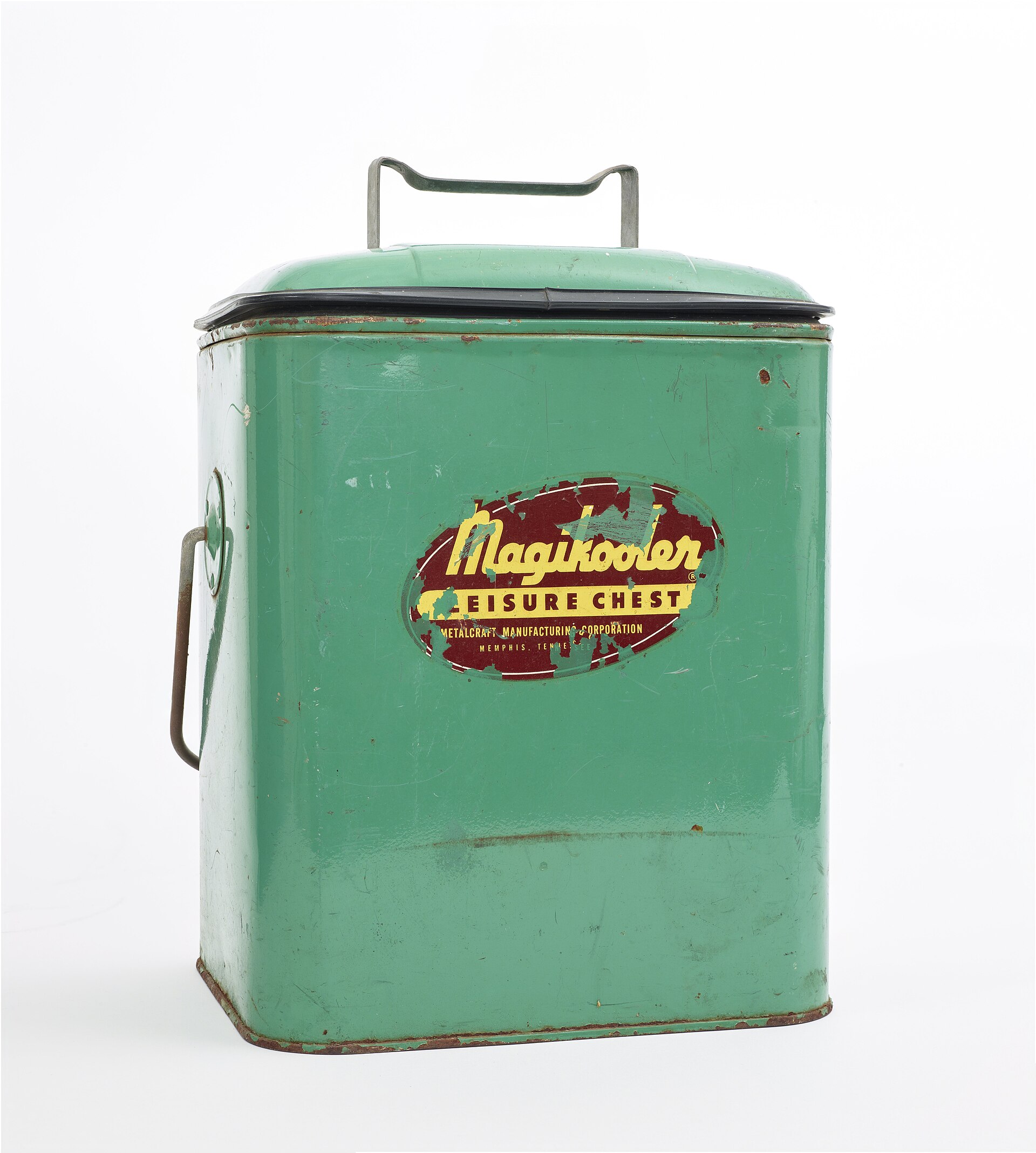
A passive cool box suits a short transfer when enough ice is available. A powered fridge can support longer stages but needs a reliable vehicle or campsite power strategy. Confirm connectors, battery protection and what happens when the engine is off.
| System | Strength | Limitation |
|---|---|---|
| Passive cooler | Simple and no electrical fault | Ice melts and occupies space |
| 12-volt fridge | Active cooling while powered | Power draw and equipment failure |
| Accommodation fridge | Useful overnight reset | Size and reliability vary |
| Frozen bottles | Cooling plus later drinking water | Need freezer access and space |
Pack cold food last and by meal
Chill or freeze suitable items before departure. Place the first meal near the top, divide food into sealed portions and keep drinks in a separate cooler when possible so the food box stays closed.
- Keep raw meat sealed and below ready-to-eat food.
- Use leak-proof containers.
- Fill empty space with cold packs.
- Keep the cooler out of direct sun.
Measure temperature instead of guessing
Use a fridge or cooler thermometer and record checks during long stages. The air near an open lid warms quickly, so check after the system has stabilised rather than immediately after searching for lunch.
WHO’s Five Keys to Safer Food emphasise safe temperatures, separation and clean handling. Apply the principles conservatively on remote routes.
Resupply before the remote stage
Buy specialist items in larger towns and use smaller stops for verified basics. Do not fill the cooler with a week of fragile food when the next two nights have uncertain power.
Plan shelf-stable meals for delays: grains, tinned food, nut products suitable for the group, and items that do not depend on an unbroken cold chain.
Keep hands, water and surfaces clean
A cold ingredient can still become unsafe through dirty hands, leaking meat or contaminated utensils. Carry soap, safe water, separate cloths and waste bags where they are easy to reach.
The Etosha travel questions and self-catering comparison support the wider plan.
Build a simple cold chain for the road
Keeping groceries cool in Namibia begins before the first supermarket visit. Confirm the vehicle’s fridge or cooler capacity, power source and operating instructions, then plan meals around the space that is genuinely available. A full box with poor air circulation or uncertain temperature is not safer than a smaller, well-managed supply.
Shop in the right order. Buy shelf-stable goods first and chilled or frozen food last, then move it into the cooler promptly. Keep raw items sealed and separated from ready-to-eat food, minimise lid opening and place drinks where they can be reached without exposing the whole food supply to warm air.
Use a suitable food thermometer instead of guessing from how cold packaging feels. Follow the product’s storage instructions and discard food when safe temperature control has been lost or spoilage is suspected. Do not rely on smell or appearance alone for foods that can become unsafe without obvious warning.
Keeping groceries cool in Namibia is easier when the final cold meal is planned before shopping. Work backward from the last reliable refrigeration, label containers by day and shift later meals toward shelf-stable ingredients. Ask before using a lodge freezer and never overload shared facilities or assume power will be available at every stop.
Plan the final cold meal before shopping
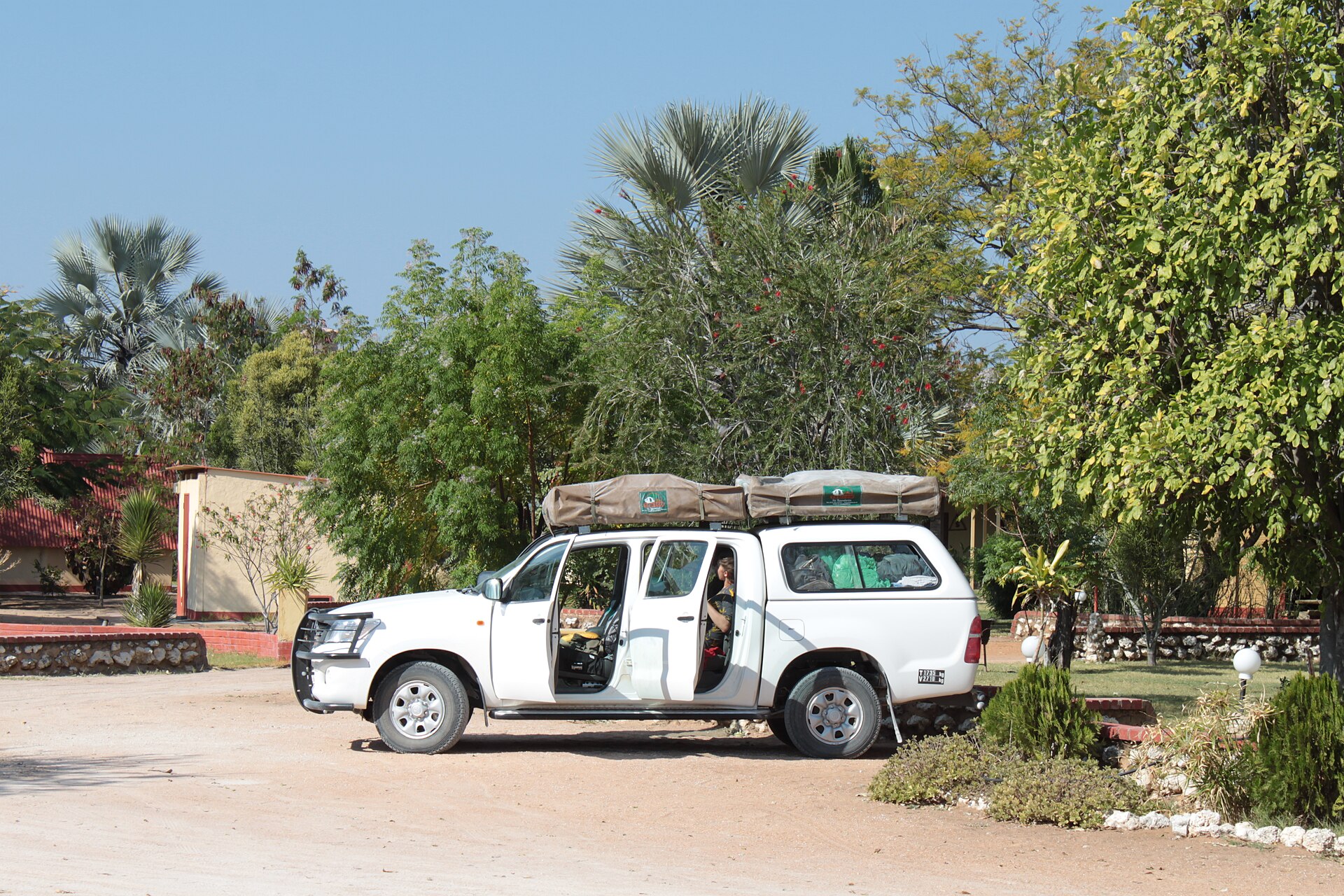
Work backward from the last night with reliable refrigeration. Buy only the meat, dairy and prepared food that can be kept safely until then, and shift later meals toward shelf-stable ingredients. Label containers by day so the cooler is not unpacked at every stop. Before leaving a lodge, freeze suitable bottles or cold packs only with permission and enough freezer capacity. A smaller, well-managed cold supply is safer than a full box whose temperature is unknown.
keeping groceries cool in Namibia: practical questions
Is a cool box enough for several days?
Only if safe temperatures can be maintained and verified; a passive box is usually better for shorter stages.
Can food safety be judged by smell?
No. High-risk food can be unsafe without obvious smell or appearance changes.
Should drinks share the food cooler?
A separate drinks cooler reduces repeated opening of the food box when space allows.
Keeping groceries cool in Namibia depends on temperature, separation and restraint. Begin cold, measure instead of guessing and carry shelf-stable meals for the day when ice, power or the next shop does not cooperate.
keeping groceries cool in Namibia summary: Check current local conditions, protect realistic travel time and keep wildlife behaviour natural.