
Seven days in Etosha should feel spacious, not like seven consecutive races to a gate. The extra time is most valuable when it creates two-night bases, shorter game-drive loops and room to repeat a promising waterhole under different conditions.
This plan is a framework rather than a fixed timetable. Confirm accommodation, road access, fuel availability, gate times and temporary diversions shortly before departure. Wildlife and weather should be allowed to change an afternoon.
In this guide
Shape seven days in Etosha around three areas
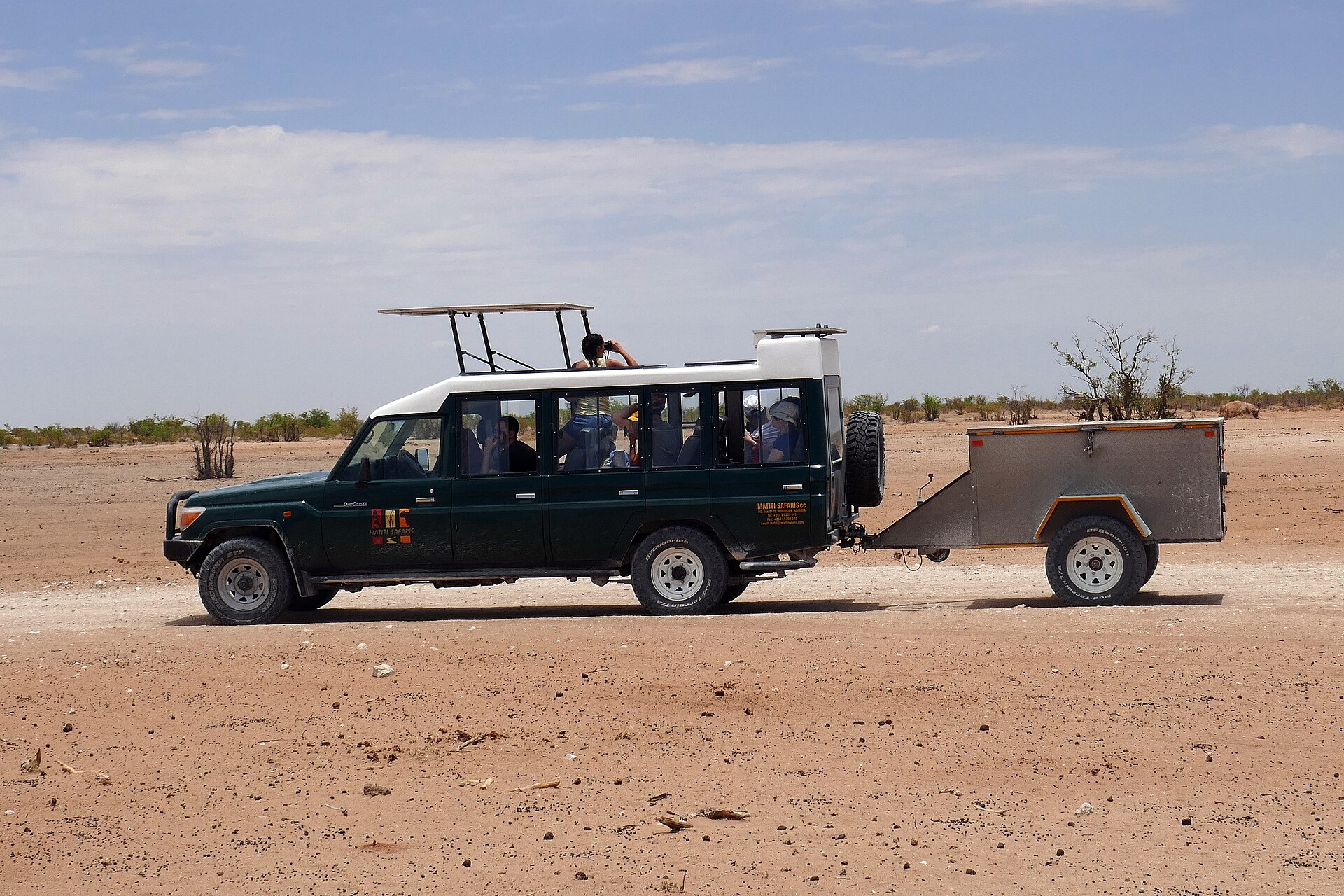
Start by checking the current park resorts and facilities with Namibia Wildlife Resorts, then match them to the wider Etosha safari guide. Three areas are usually enough for a first visit: east, central and south-west.
| Day | Base pattern | Main purpose |
|---|---|---|
| 1 | Eastern gate area | Arrive early enough for a short orientation loop |
| 2 | East | Full day around Namutoni and suitable open roads |
| 3 | Central | Slow transfer with selected waterholes |
| 4 | Central | A no-packing wildlife day |
| 5 | South-west | Transfer toward Okaukuejo or Andersson Gate |
| 6 | South-west | Full day with patient waterhole time |
| 7 | Departure side | Short final loop only if the onward journey allows |
Use two-night bases instead of seven check-ins
A different room every night consumes time in luggage handling, check-out queues and route compromises. Two consecutive nights create one complete morning and afternoon without a loaded vehicle, which is especially helpful for families, photographers and travellers who tire in heat.
Choose the sector before choosing the room category. Compare Namutoni-area accommodation, central Etosha stays and Okaukuejo options against the next day’s route.
Keep daily loops deliberately short
Begin with one primary loop and one shorter fallback. A longer stay permits an early return when heat, wind or tiredness reduces concentration. It also permits a second visit to a productive area instead of chasing an unverified sighting across the park.
- Leave a generous margin before the official closing time.
- Use midday for rest, meals and equipment checks.
- Wait where tracks, birds or approaching herds create a reason.
- Never make a same-day flight depend on a final game drive.
Let wildlife behaviour set the tempo
Record arrival direction, alarm posture, drinking order and the way animals leave. These observations often reveal more than a species tally. Dry-season concentration and wet-season distribution can make the same road feel entirely different between visits.
Treat staff reports and visitor tips as context, not promises. A lion can move, a herd can split and a busy waterhole can quieten. The itinerary succeeds when it remains useful even without a headline sighting.

Adjust the week to the wider Namibia route
Travellers arriving from Windhoek may prefer to enter in the south and leave in the east. A route continuing toward Grootfontein, Rundu or the Zambezi Region may work better in the opposite direction. Reversing the plan is usually wiser than adding a long final transfer.
- Confirm the first and last gate from the wider road trip.
- Protect at least two mornings without luggage in the vehicle.
- Keep one half-day uncommitted.
- Remove a base if it creates two long transfers.
Keep the final day intentionally light
A seven-day plan still fails when the final morning depends on a long wildlife loop and a fixed onward booking. Pack most luggage the previous evening, calculate the road beyond the gate and choose a short route that can be abandoned without disappointment. If the next stage is Windhoek or another distant stop, treat the last sighting as a bonus rather than a target. The five-night slower-safari plan offers a useful comparison when seven days begin to create unnecessary transfers.
Check the week again before arrival
Reconfirm the park’s current gate times, road notices, fuel situation and each accommodation booking shortly before travel. Download an offline map, save the contact details for the first and final night, and compare the planned entry gate with the direction of the wider Namibia route. A useful final check is not about adding more stops; it is about removing any transfer that now depends on perfect weather, instant check-in or an unexpectedly fast drive.
For every two-night base, write one morning priority, one shorter alternative and a firm turnaround point. The priority might be an early loop through suitable habitat, while the alternative could be a nearby waterhole and a long midday break. During the drive, keep checking the distance back to the gate or resort rather than the distance to the next sighting report. This protects the unhurried character of seven days in Etosha when wildlife, heat or road conditions change.
- Keep the first afternoon short after a long transfer.
- Protect at least one full day with no luggage in the vehicle.
- Give children and photographers a genuine midday pause.
- Leave one late afternoon unassigned for a repeat visit or rest.
Use a daily decision rhythm instead of a rigid clock
Begin each morning with the current gate time, the day’s temperature outlook and one priority habitat rather than a long list of named waterholes. Pause after the first productive sighting and decide whether the original loop still serves the group. If the road is quiet, continue patiently; if heat, dust or traffic is building, use the shorter alternative. The extra days make this kind of decision possible without creating a feeling that the safari has failed.
At midday, review water, fuel, camera batteries and everyone’s concentration. A long lunch or swim can be more valuable than another hour of driving when animals are inactive and passengers are tired. Before the afternoon outing, choose a final area close enough to the base that a prolonged sighting will not cause a late dash. Keep the last twenty to thirty minutes as an operational margin, not as planned wildlife-viewing time.
At the end of the day, note which roads felt comfortable, where animals approached from and which stops deserve a second visit. Do not use the notes to repeat the entire route automatically. Wind, cloud, vehicle pressure and recent rain may change what works. A seven-day visit becomes rewarding when yesterday’s observations inform today’s choices while enough flexibility remains for the park to surprise you.
Decide who benefits most from seven nights
Seven nights are especially useful for first-time visitors who want to compare the eastern and central habitats without changing accommodation every day. They also suit photographers who prefer repeat opportunities in different light, families who need a slower morning after a tiring day, and travellers continuing across northern Namibia who can enter through one gate and leave through another. The time is less valuable when extra nights simply add the same long commute from a distant property.
Couples or groups with different interests can divide part of the week without dividing the holiday. One person can join a guided drive while another rests at the lodge, edits photographs or watches a nearby waterhole. Agree on meeting times and transport before separating, and never assume mobile coverage will solve a missed connection. A calm shared dinner after two different afternoons can be more enjoyable than forcing every traveller through the same full-day loop.
Longer stays also make room for poor conditions. Strong wind, unexpected rain, road maintenance or a minor illness need not erase the only planned game-drive day. Keep one half-day deliberately uncommitted and resist filling it in advance. If every traveller still has energy, use it for a short repeat loop; if not, treat the rest as part of the safari rather than lost time. This buffer is one of the practical reasons to spend seven days in Etosha.
Seven nights are not automatically the best choice for every Namibia itinerary. A visitor with only ten days in the country may prefer fewer Etosha bases and more time elsewhere, while an enthusiast returning specifically for wildlife can use the full week well. Compare the park stay with the driving required before and after it. The correct length is the one that protects attention, sleep and safe onward travel—not the one that produces the largest number of waterhole names on a schedule.
seven days in Etosha: practical questions
Are seven days too long for Etosha?
No. The value is in slower loops, repeated habitats and rest, not in adding more kilometres.
Must all seven nights be inside the park?
No. A mix of park resorts and nearby gate-area accommodation can work when gate times and distances are respected.
Can this itinerary be reversed?
Yes. Match the direction to the onward Namibia route and current access information.
Seven days in Etosha are best used as permission to stop. Choose a small number of bases, protect full wildlife days and let the park—not the checklist—set the final pace.
seven days in Etosha summary: Check current local conditions, protect realistic travel time and keep wildlife behaviour natural.