
An Etosha hot-day game drive should be shorter, better supplied and easier to abandon than a mild-weather plan. The first responsibility is to protect travellers from heat illness and the vehicle from an avoidable breakdown.
Wildlife often changes its rhythm in high heat, using shade, water and cooler hours. That does not mean animals will appear at a particular waterhole on schedule.
In this guide
Use the cooler hours for the main loop

Start when current gate rules permit, choose a compact morning circuit and return for a long midday break. A second short drive can be decided later from temperature, wind, group condition and the vehicle.
Do not turn the midday pause into another transfer. Shade, food, hydration and a quiet room or camp area allow both the driver and passengers to recover before any afternoon decision.
Carry water for drinking and delay
Carry more drinking water than the expected outing requires and keep part of it accessible rather than buried under luggage. Include enough for a mechanical delay, not only the planned loop.
- Drink regularly; do not wait for strong thirst.
- Limit alcohol before and during hot driving periods.
- Keep oral rehydration products for appropriate use.
- Never leave a child, vulnerable adult or animal in a parked vehicle.
Recognise heat stress early
World Health Organization heat guidance lists heat exhaustion and heatstroke as serious risks. Headache, dizziness, weakness, nausea, confusion or collapse require prompt action; confusion, very high temperature or loss of consciousness are emergencies.
Move the person to a cooler place, begin appropriate cooling and seek medical help. Do not continue the game drive to “see if it passes.” Travellers with medical risks should obtain personal clinical advice before the trip.
Check the vehicle before the heat builds
| Check | Reason |
|---|---|
| Fuel | Idling and diversions consume range |
| Tyres and spare | Hot roads expose weak tyres |
| Coolant warning lights | Overheating needs immediate attention |
| Air conditioning | Comfort system, not a substitute for water |
| Charged phone and offline numbers | Coverage may be limited |
Follow the rental company’s instructions after any warning light or puncture. Do not open a hot cooling system or attempt an unsafe roadside repair among wildlife.
Photograph the heat without pressuring wildlife
Look for shade use, open-mouthed breathing, stillness and changes in group spacing, but avoid diagnosing an animal from a brief view. Heat shimmer can soften distant images; use wider habitat frames rather than approaching.
Review the best time to visit Etosha and the safari planning guide before choosing a season.
Use simple heat-safety decision rules
Agree on limits before leaving camp. Each passenger should carry accessible drinking water, wear sun protection and know the planned turnaround time. An Etosha hot-day game drive should never depend on finishing a long loop after somebody begins to feel unwell. Keep the route short enough to reach authorised facilities without rushing.
At every permitted rest stop, check the driver as carefully as the passengers. Headache, dizziness, nausea, unusual tiredness or confusion are reasons to stop, cool down and seek appropriate help. Do not wait for the person to ask. Children, older travellers and people taking certain medicines may need a more conservative plan.
Protect the vehicle as part of the safety plan. Monitor warning lights, fuel and tyre condition, and do not idle in a way that creates a problem for wildlife or other visitors. Air conditioning helps comfort but does not replace water, shade and realistic timing. Keep emergency contacts offline and make sure a phone is charged.
Finish while attention is still sharp. During an Etosha hot-day game drive, heat can reduce patience and judgement before the group recognises the change. If sightings are quiet, resist extending the route simply to justify the outing. Returning early for a rest, then taking a shorter late-afternoon drive, often produces a safer and more enjoyable day.
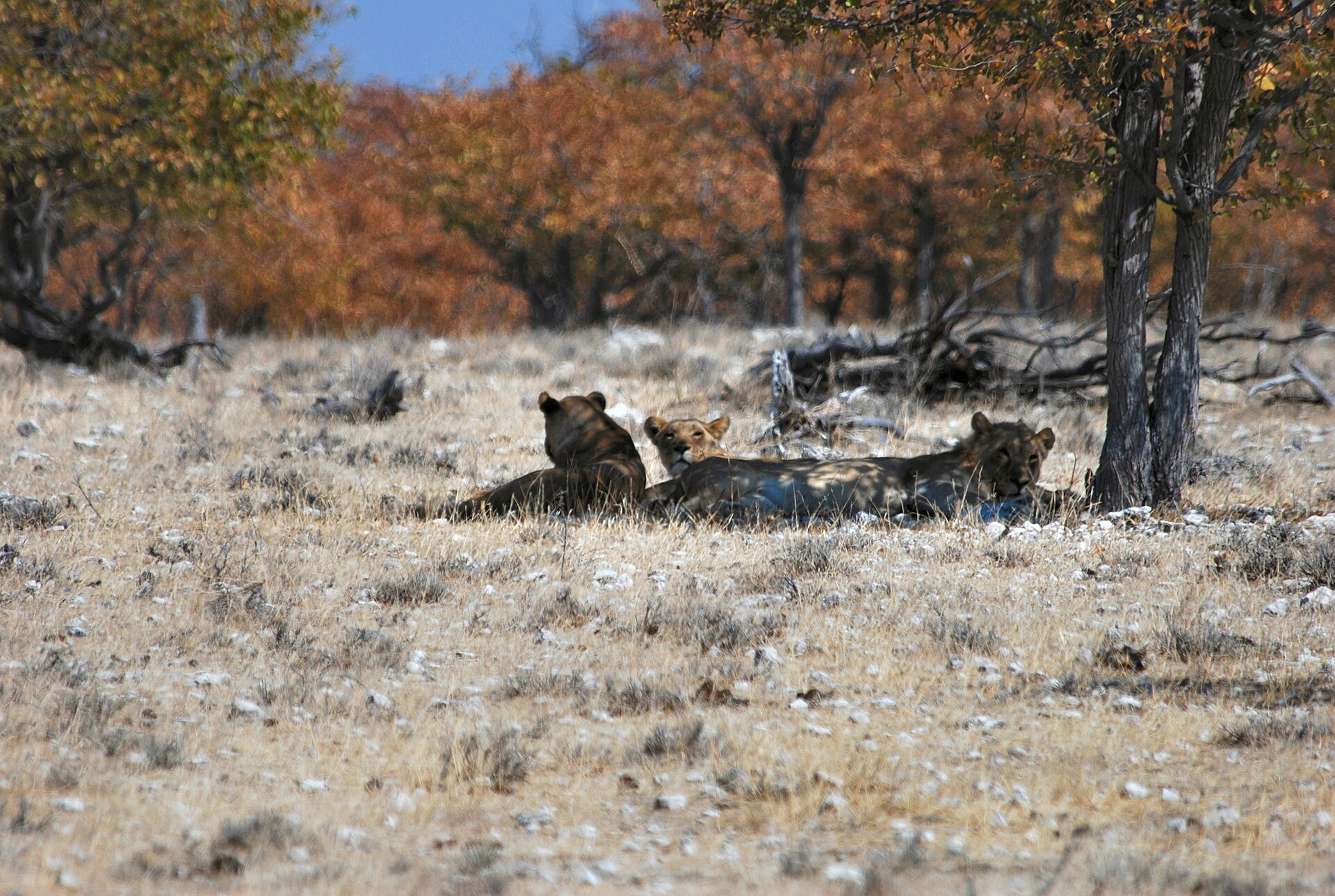
Use a simple passenger check at every stop
Ask each person about water, headache, nausea, dizziness and comfort instead of assuming silence means they are fine. Children, older travellers and people taking certain medicines may need earlier intervention. Keep hats and drinking water inside the vehicle rather than in an inaccessible roof box. If the group becomes irritable or inattentive, shorten the route. Good heat management protects the driver’s judgement as much as it protects physical comfort.
Etosha hot-day game drive: practical questions
Should visitors drive all day in extreme heat?
Usually not. Shorter cooler-hour loops and a substantial midday break are safer and more comfortable.
Is air conditioning enough protection?
No. Carry water, plan for delays and recognise heat illness early.
Where will animals be on a hot day?
Shade and water may influence behaviour, but no location or sighting is guaranteed.
An Etosha hot-day game drive succeeds when everyone returns well. Shorten the loop, carry a real delay reserve and treat changing the plan as good safari judgement.
Etosha hot-day game drive summary: Check current local conditions, protect realistic travel time and keep wildlife behaviour natural.
Keep a written fallback inside the vehicle: the nearest authorised rest area, the shortest return road and the time at which the loop will be abandoned. An Etosha hot-day game drive is easier to manage when that decision has already been made, especially if poor reception prevents a last-minute route check.